
Descripción del Producto
Descripción del Producto
Parámetros del producto
| Parameters | Unit | Level | Reduction Ratio | Flange Size Specification | |||||
| 070 | 090 | 115 | 155 | 205 | 235 | ||||
| Rated output torque T2n | N.m | 1 | 3 | 55 | 130 | 208 | 342 | 588 | 1140 |
| 4 | 50 | 140 | 290 | 542 | 1050 | 1700 | |||
| 5 | 60 | 160 | 330 | 650 | 1200 | 2000 | |||
| 7 | 35 | 140 | 300 | 550 | 1100 | 1800 | |||
| 8 | 35 | 120 | 260 | 500 | 1000 | 1600 | |||
| 10 | 23 | 48 | 140 | 370 | 520 | 1220 | |||
| 2 | 12 | 55 | 130 | 208 | 342 | 588 | 1140 | ||
| 15 | 55 | 130 | 208 | 342 | 588 | 1140 | |||
| 20 | 50 | 140 | 290 | 542 | 1050 | 1700 | |||
| 25 | 60 | 160 | 330 | 650 | 1200 | 2000 | |||
| 28 | 60 | 160 | 330 | 650 | 1200 | 2000 | |||
| 30 | 60 | 160 | 330 | 650 | 1200 | 2000 | |||
| 35 | 60 | 160 | 330 | 650 | 1200 | 2000 | |||
| 40 | 60 | 160 | 330 | 650 | 1200 | 2000 | |||
| 50 | 60 | 160 | 330 | 650 | 1200 | 2000 | |||
| 70 | 35 | 140 | 310 | 550 | 1100 | 1800 | |||
| 100 | 23 | 48 | 140 | 370 | 520 | 1220 | |||
| 3 | 120 | 60 | 160 | 330 | 650 | 1200 | 2000 | ||
| 150 | 60 | 160 | 330 | 650 | 1200 | 2000 | |||
| 200 | 60 | 160 | 330 | 650 | 1200 | 2000 | |||
| 250 | 60 | 160 | 330 | 650 | 1200 | 2000 | |||
| 280 | 60 | 160 | 330 | 650 | 1200 | 2000 | |||
| 350 | 60 | 160 | 330 | 650 | 1200 | 2000 | |||
| 400 | 60 | 160 | 330 | 650 | 1200 | 2000 | |||
| 500 | 60 | 160 | 330 | 650 | 1200 | 2000 | |||
| 700 | 35 | 140 | 310 | 550 | 1100 | 1800 | |||
| 1000 | 23 | 48 | 140 | 370 | 520 | 1220 | |||
| Maximum output torque T2b | N.m | 1,2,3 | 3~1000 | 3Times of Rated Output Torque | |||||
| Rated input speed N1n | rpm | 1,2,3 | 3~1000 | 5000 | 3000 | 3000 | 3000 | 3000 | 2000 |
| Maximum input speed N1b | rpm | 1,2,3 | 3~1000 | 10000 | 6000 | 6000 | 6000 | 6000 | 4000 |
| Ultra Precision Backlash PS | arcmin | 1 | 3~10 | ≤1 | ≤1 | ≤1 | ≤1 | ≤1 | ≤1 |
| arcmin | 2 | 12~100 | ≤2 | ≤2 | ≤2 | ≤2 | ≤2 | ≤2 | |
| arcmin | 3 | 120~1000 | ≤5 | ≤5 | ≤5 | ≤5 | ≤5 | ≤5 | |
| High Precision Backlash P0 | arcmin | 1 | 3~10 | ≤2 | ≤2 | ≤2 | ≤2 | ≤2 | ≤2 |
| arcmin | 2 | 12~100 | ≤3 | ≤3 | ≤3 | ≤3 | ≤3 | ≤3 | |
| arcmin | 3 | 120~1000 | ≤7 | ≤7 | ≤7 | ≤7 | ≤7 | ≤7 | |
| Precision Backlash P1 | arcmin | 1 | 3~10 | ≤3 | ≤3 | ≤3 | ≤3 | ≤3 | ≤3 |
| arcmin | 2 | 12~100 | ≤5 | ≤5 | ≤5 | ≤5 | ≤5 | ≤5 | |
| arcmin | 3 | 12~1000 | ≤9 | ≤9 | ≤9 | ≤9 | ≤9 | ≤9 | |
| Standard Backlash P2 | arcmin | 1 | 3~10 | ≤5 | ≤5 | ≤5 | ≤5 | ≤5 | ≤5 |
| arcmin | 2 | 12~100 | ≤7 | ≤7 | ≤7 | ≤7 | ≤7 | ≤7 | |
| arcmin | 3 | 120~1000 | ≤11 | ≤11 | ≤11 | ≤11 | ≤11 | ≤11 | |
| Torsional Rigidity | Nm/arcmin | 1,2,3 | 3~1000 | 3.5 | 10.5 | 20 | 39 | 115 | 180 |
| Allowable radial force F2rb2 | norte | 1,2,3 | 3~1000 | 1100 | 2200 | 5571 | 7610 | 10900 | 24000 |
| Allowable axial force F2ab2 | norte | 1,2,3 | 3~1000 | 630 | 1230 | 2550 | 3780 | 5875 | 11200 |
| Moment of Inertia J1 | kg.cm2 | 1 | 3~10 | 0.2 | 1.2 | 2 | 7.2 | 25 | 65 |
| 2 | 12~100 | 0.08 | 0.18 | 0.7 | 1.7 | 7.9 | 14 | ||
| 3 | 120~1000 | 0.03 | 0.01 | 0.04 | 0.09 | 0.21 | 0.82 | ||
| Service Life | hora | 1,2,3 | 3~1000 | 20000 | |||||
| Efficiency η | % | 1 | 3~10 | 97% | |||||
| 2 | 12~100 | 94% | |||||||
| 3 | 120~1000 | 91% | |||||||
| Noise Level | dB | 1,2,3 | 3~1000 | ≤58 | ≤60 | ≤63 | ≤65 | ≤67 | ≤70 |
| Temperatura de funcionamiento | ºC | 1,2,3 | 3~1000 | -10~+90 | |||||
| Clase de protección | IP | 1,2,3 | 3~1000 | IP65 | |||||
| Weights | kg | 1 | 3~10 | 1.3 | 3.7 | 7.8 | 14.5 | 29 | 48 |
| 2 | 12~100 | 1.9 | 4.1 | 9 | 17.5 | 33 | 60 | ||
| 3 | 120~1000 | 2.3 | 4.8 | 12 | 22 | 37 | 72 | ||
Preguntas frecuentes
Q: How to select a gearbox?
A: Firstly, determine the torque and speed requirements for your application. Consider the load characteristics, operating environment, and duty cycle. Then, choose the appropriate gearbox type, such as planetary, worm, or helical, based on the specific needs of your system. Ensure compatibility with the motor and other mechanical components in your setup. Lastly, consider factors like efficiency, backlash, and size to make an informed selection.
Q: What type of motor can be paired with a gearbox?
A: Gearboxes can be paired with various types of motors, including servo motors, stepper motors, and brushed or brushless DC motors. The choice depends on the specific application requirements, such as speed, torque, and precision. Ensure compatibility between the gearbox and motor specifications for seamless integration.
Q: Does a gearbox require maintenance, and how is it maintained?
A: Gearboxes typically require minimal maintenance. Regularly check for signs of wear, lubricate as per the manufacturer’s recommendations, and replace lubricants at specified intervals. Performing routine inspections can help identify issues early and extend the lifespan of the gearbox.
Q: What is the lifespan of a gearbox?
A: The lifespan of a gearbox depends on factors such as load conditions, operating environment, and maintenance practices. A well-maintained gearbox can last for several years. Regularly monitor its condition and address any issues promptly to ensure a longer operational life.
Q: What is the slowest speed a gearbox can achieve?
A: Gearboxes are capable of achieving very slow speeds, depending on their design and gear ratio. Some gearboxes are specifically designed for low-speed applications, and the choice should align with the specific speed requirements of your system.
Q: What is the maximum reduction ratio of a gearbox?
A: The maximum reduction ratio of a gearbox depends on its design and configuration. Gearboxes can achieve various reduction ratios, and it’s important to choose 1 that meets the torque and speed requirements of your application. Consult the gearbox specifications or contact the manufacturer for detailed information on available reduction ratios.
/* 10 de marzo de 2571 17:59:20 */!function(){function s(e,r){var a,o={};try{e&&e.split(“,”).forEach(function(e,t){e&&(a=e.match(/(.*?):(.*)$/))&&1
| Solicitud: | Motor, Electric Cars, Machinery, Agricultural Machinery, Gearbox |
|---|---|
| Dureza: | Superficie dentada endurecida |
| Instalación: | Vertical Type |
| Disposición: | Coaxial |
| Forma del engranaje: | Engranaje cónico |
| Paso: | Tres pasos |
| Personalización: |
Disponible
| Solicitud personalizada |
|---|
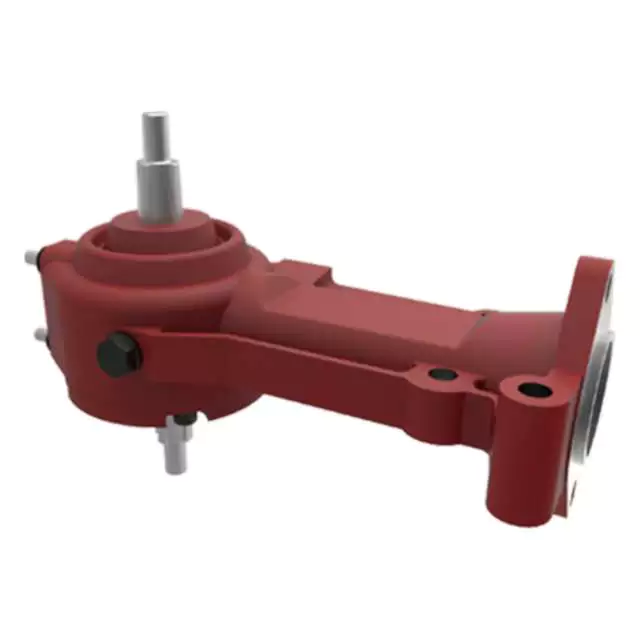
Considerations for Heavy-Duty Farming Gearboxes
Heavy-duty farming applications require robust and reliable gearboxes that can withstand high loads, harsh conditions, and frequent use. Here are the key considerations for selecting gearboxes for heavy-duty farming:
- Load Capacity: Heavy-duty gearboxes must have a high load-carrying capacity to handle the demands of agricultural machinery, such as tillers, plows, and combines.
- Material Durability: Gearboxes should be constructed from durable materials, such as hardened steel or cast iron, that can withstand the stresses and impacts associated with heavy-duty tasks.
- Sealing and Protection: Effective sealing and protection mechanisms, such as robust seals and gaskets, prevent the ingress of dirt, water, and contaminants that can cause premature wear and damage.
- Lubrication System: A reliable and efficient lubrication system is crucial for heavy-duty gearboxes to ensure proper lubrication of components under high loads and temperatures.
- Heat Dissipation: Heavy-duty applications generate significant heat. Gearboxes should have efficient heat dissipation mechanisms, such as cooling fins or oil coolers, to prevent overheating and maintain performance.
- Design and Construction: Gearbox design should incorporate reinforced housing, larger bearings, and robust gears to handle heavy loads without compromising structural integrity.
- Alignment and Mounting: Proper alignment and mounting are essential to ensure smooth and efficient power transmission. Misalignment can lead to increased wear and reduced gearbox lifespan.
- Maintenance Accessibility: Heavy-duty gearboxes should be designed for easy maintenance access. Features such as removable covers and inspection points simplify servicing and repairs.
- Compatibilidad: Gearboxes should be compatible with the specific machinery and tasks they will be used for. Customizable gear ratios and output shaft configurations enhance versatility.
- Reliability and Longevity: Heavy-duty gearboxes should be built to last, with quality craftsmanship and components that can withstand the demanding conditions of agricultural operations.
- Safety: Safety features, such as guards and emergency shutdown mechanisms, are essential to protect operators and nearby personnel from potential hazards.
- Environmental Considerations: Gearbox designs should consider environmental regulations and emissions standards to minimize the impact on the environment.
- Cost-Effectiveness: While heavy-duty gearboxes require a higher upfront investment, their durability and performance contribute to long-term cost-effectiveness by reducing downtime and the need for frequent replacements.
By carefully considering these factors, farmers can select the appropriate heavy-duty gearboxes that enhance productivity and reliability in their farming operations.
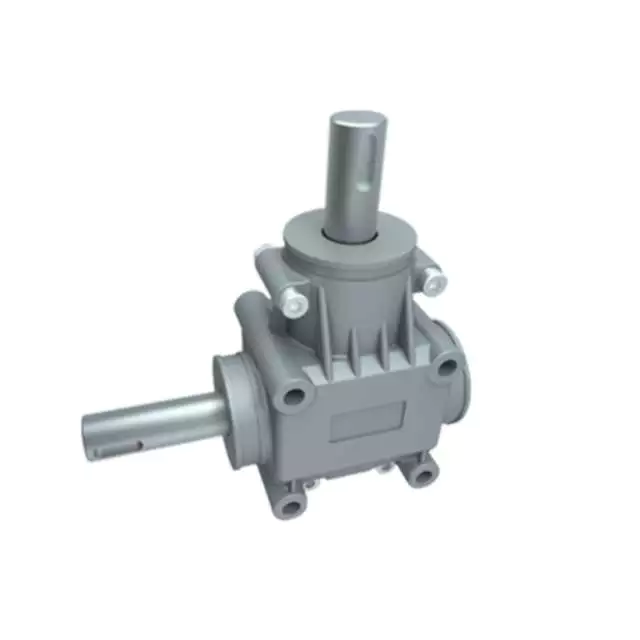
Types of Farming Equipment Incorporating Agricultural Gearboxes
Agricultural gearboxes play a vital role in various farming equipment, enhancing their efficiency and enabling them to perform essential tasks. Here are some types of farming equipment that commonly incorporate agricultural gearboxes:
- Tractors: Agricultural gearboxes are integral components of tractors, contributing to power transmission from the engine to various attachments such as plows, harrows, and mowers.
- Harvesters: Harvesters, used to gather crops like grains, fruits, and vegetables, utilize gearboxes to drive conveyor systems and separators, ensuring smooth and efficient harvesting operations.
- Planters and Seeders: Planters and seeders rely on gearboxes to precisely distribute seeds and fertilizers while maintaining the desired planting depth.
- Sprayers: Agricultural gearboxes are used in sprayers to drive pumps that distribute pesticides, herbicides, and fertilizers over fields.
- Hay Balers: Gearboxes are essential in hay balers for compacting and forming bales of hay, enabling easy storage and transportation.
- Manure Spreaders: Manure spreaders incorporate gearboxes to distribute and spread fertilizers and compost evenly across fields.
- Grain Augers: Grain augers, used for loading and unloading grains, feature gearboxes to drive the rotating screw mechanism that lifts and transfers grains.
- Cultivators: Cultivators use gearboxes to drive rotating tines or blades that loosen and prepare the soil for planting.
- Rotary Cutters: Rotary cutters, often attached to tractors, utilize gearboxes to power the spinning blades used for cutting tall grass, weeds, and brush.
- Threshers: Threshers, employed for separating grains from their husks or stalks, incorporate gearboxes to drive the threshing mechanisms.
These examples demonstrate the diverse applications of agricultural gearboxes across a wide range of farming equipment. By providing reliable power transmission and control, agricultural gearboxes contribute significantly to the productivity and efficiency of modern agricultural practices.
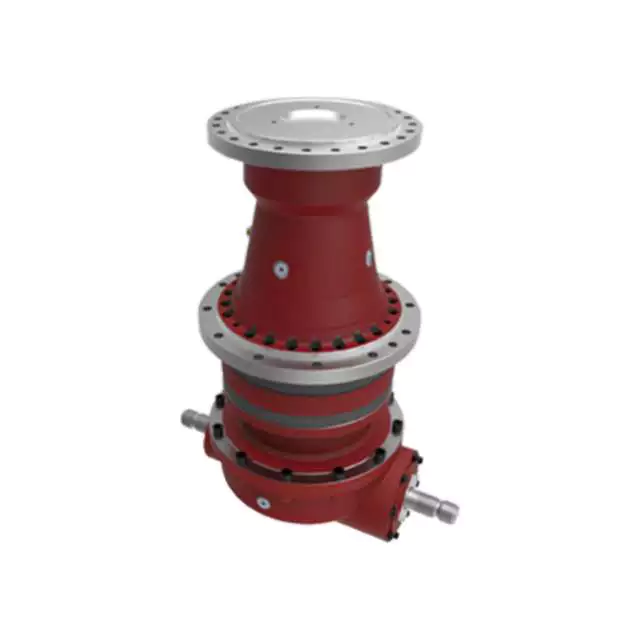
Requisitos de mantenimiento para cajas de engranajes agrícolas
El mantenimiento de las cajas de engranajes agrícolas es fundamental para garantizar el funcionamiento fluido y eficiente de la maquinaria agrícola. Un mantenimiento adecuado ayuda a prolongar la vida útil de las cajas de engranajes y previene averías costosas. Estos son los requisitos clave de mantenimiento:
- Inspecciones periódicas: Realice inspecciones visuales rutinarias para detectar signos de desgaste, daños, fugas o desalineación. Inspeccione periódicamente los dientes de los engranajes, los sellos y los cojinetes para detectar cualquier problema.
- Lubricación: Una lubricación adecuada es esencial para minimizar la fricción y el desgaste en las cajas de engranajes. Siga las instrucciones del fabricante sobre el tipo de lubricante a utilizar y los intervalos de lubricación recomendados.
- Comprobaciones de lubricante: Controle periódicamente los niveles y la calidad del lubricante de la caja de cambios. Reemplace o reponga el lubricante según sea necesario y asegúrese de que no entren contaminantes en el sistema de lubricación.
- Apretar pernos y sujetadores: Compruebe y apriete los pernos, tuercas y sujetadores para evitar que se aflojen debido a las vibraciones durante el funcionamiento. Los componentes sueltos pueden provocar desalineación y desgaste prematuro.
- Inspección de sellos: Examine las juntas para detectar fugas y comprobar que no estén bien selladas. Las juntas dañadas o desgastadas deben reemplazarse de inmediato para evitar fugas de lubricante y la entrada de contaminantes.
- Limpieza: Mantenga limpias las cajas de cambios eliminando la suciedad, los residuos y los desechos. La limpieza regular evita que las partículas abrasivas entren en la caja de cambios y la dañen.
- Alineación: Asegúrese de que las cajas de engranajes estén correctamente alineadas con los componentes conectados, como ejes y acoplamientos. Una desalineación puede provocar un mayor desgaste y una menor eficiencia.
- Control de temperatura: Controle la temperatura de funcionamiento de la caja de cambios. Los aumentos anormales de temperatura pueden indicar problemas como sobrecarga o lubricación insuficiente.
- Sustitución del filtro: Si la caja de cambios dispone de un sistema de filtración, reemplace o limpie los filtros periódicamente para evitar que entren contaminantes en la caja de cambios.
- Inspección experta: Haga revisar periódicamente las cajas de cambios por técnicos cualificados. Ellos pueden identificar posibles problemas que podrían no ser visibles durante las inspecciones rutinarias.
El cumplimiento de estos requisitos de mantenimiento garantiza que las cajas de engranajes agrícolas se mantengan en óptimas condiciones y contribuyan a la fiabilidad y eficiencia de la maquinaria agrícola. El mantenimiento regular no solo previene paradas inesperadas, sino que también prolonga la vida útil de las cajas de engranajes, lo que en última instancia beneficia la productividad de las explotaciones agrícolas.


editor by CX 2023-12-26