
Descripción del Producto
Descripción del Producto
The HMHG-III series harmonic reducer has a compact structure with a through-hole. The wave generator has a large diameter hollow shaft with cross roller bearings to withstand radial and axial loads. This institution is simple and convenient for users to install customly.
Principle of harmonic gear transmission
The harmonic gear drive was invented by the American inventor C.W.Musser in 1955. It is a new transmission mode using the elastic deformation of flexible working components to carry out movement or power transmission. It breaks through the mode of mechanical transmission using rigid components and uses a flexible component to achieve mechanical transmission. Thus, a series of special functions that are difficult to achieve with other drives are obtained. Because the deformation process of the intermediate flexible component is basically a symmetrical harmonic, it is named. In addition to the Soviet Union called this transmission waveform drive or flexible wheel drive, the United States, Britain, Germany, Japan and other countries are called “harmonic drive”.
Harmonic deceleration principle
The deceleration principle of harmonic gear transmission refers to the use of the relative motion of the flexwheel, rigid wheel and wave generator, mainly the controllable elastic deformation of the flexwheel to achieve motion and power transmission. The elliptic CAM in the wave generator rotates in the flexwheel so that the flexwheel deforms. When the flexwheel teeth and rigid wheel teeth at both ends of the long axis of the elliptic CAM of the wave generator are engaged, the flexwheel teeth at both ends of the short axis are detached from the rigid wheel teeth. The teeth between the long axis and the short axis of the wave generator are in a semi-meshing state that gradually enters the snapping along different sections of the perimeter of the flexwheel and the rigid wheel, which is called the snapping; In a semi-meshing state that gradually withdraws from engagement, it is called snapping out. When the wave generator continuously rotates, the flexwheel constantly deforms, so that the 2 wheel teeth in the biting, meshing, biting out and disengaging 4 kinds of motion constantly change their original working state, resulting in the wrong tooth movement, to achieve the active wave generator to the flexwheel movement transmission.
Parámetros del producto
| Modelo | Relación de reducción | Rated torque at input 2000r/min | Permissible CHINAMFG torque at start/ stop | Valor máximo admisible del par de carga promedio | instantaneous permissibie max. torque | Permissible max.input rotational speed | Velocidad de rotación de entrada media admisible | Backlash(arc sec) | Precisión de transmisión (segundos de arco) |
| Nuevo Méjico | Nuevo Méjico | Nuevo Méjico | Nuevo Méjico | r/min | r/min | ≤ | ≤ | ||
| 14 | 50 | 7 | 23 | 9 | 46 | 8000 | 3500 | 20 | 90 |
| 80 | 10 | 30 | 14 | 51 | 20 | 90 | |||
| 100 | 10 | 36 | 14 | 70 | 10 | 90 | |||
| 17 | 50 | 21 | 44 | 34 | 91 | 7000 | 3500 | 20 | 90 |
| 80 | 29 | 56 | 35 | 113 | 20 | 90 | |||
| 100 | 31 | 70 | 51 | 143 | 10 | 90 | |||
| 20 | 50 | 33 | 73 | 44 | 127 | 6000 | 3500 | 20 | 60 |
| 80 | 44 | 96 | 61 | 165 | 20 | 60 | |||
| 100 | 52 | 107 | 64 | 191 | 10 | 60 | |||
| 120 | 52 | 113 | 64 | 161 | 10 | 60 | |||
| 25 | 50 | 51 | 127 | 72 | 242 | 5500 | 3500 | 20 | 60 |
| 80 | 82 | 178 | 113 | 332 | 20 | 60 | |||
| 100 | 87 | 204 | 140 | 369 | 10 | 60 | |||
| 120 | 87 | 217 | 140 | 395 | 10 | 60 | |||
| 32 | 50 | 99 | 281 | 140 | 497 | 4500 | 3500 | 20 | 60 |
| 80 | 153 | 395 | 217 | 738 | 10 | 60 | |||
| 100 | 178 | 433 | 281 | 841 | 10 | 60 | |||
| 120 | 178 | 459 | 281 | 892 | 10 | 60 | |||
| 40 | 50 | 178 | 523 | 255 | 892 | 4000 | 3000 | 10 | 60 |
| 80 | 268 | 675 | 369 | 1270 | 10 | 60 | |||
| 100 | 345 | 738 | 484 | 1400 | 10 | 60 | |||
| 120 | 382 | 802 | 586 | 1530 | 10 | 60 |
Fotos detalladas
Perfil de la empresa
HangZhou Yijiaang Automation Technology Co., Ltd. was established in 2018, specializing in the application development, sales and technical services of transmission components. Main business: planetary reducer, harmonic reducer, RV reducer, DD motor, linear motor, linear module, rotary spline screw, hollow rotary platform, CAM splitter and other products. Widely used in: CNC machine tools, packaging machinery, printing machinery, automation equipment, joint robots, medical equipment, AGV and many other fields. The company regards “providing quality products and services” as its due responsibility.
The company adheres to the spirit of technological innovation and customer service, with a positive attitude of continuous endeavour, creates the value of “quality is the core”, establishes the goal of “professional perfection”, and achieves the corporate vision of “making the world move”. Focus on transmission products technical services.
Preguntas frecuentes
Q: What should I provide when I choose gearbox/speed reducer?
A: The best way is to provide the motor drawing with parameter. Our engineer will check and recommend the most suitable gearbox model for your refer.
Or you can also provide below specification as well:
1) Type, model and torque.
2) Ratio or output speed
3) Working condition and connection method
4) Input mode and input speed
/* 10 de marzo de 2571 17:59:20 */!function(){function s(e,r){var a,o={};try{e&&e.split(“,”).forEach(function(e,t){e&&(a=e.match(/(.*?):(.*)$/))&&1
| Solicitud: | Maquinaria, maquinaria agrícola, coche, robot |
|---|---|
| Dureza: | Superficie dentada endurecida |
| Instalación: | Tipo horizontal |
| Disposición: | Coaxial |
| Forma del engranaje: | Engranaje cilíndrico |
| Paso: | Paso único |
| Muestras: |
US$ 350/Piece
1 unidad (pedido mínimo) | |
|---|
| Personalización: |
Disponible
| Solicitud personalizada |
|---|
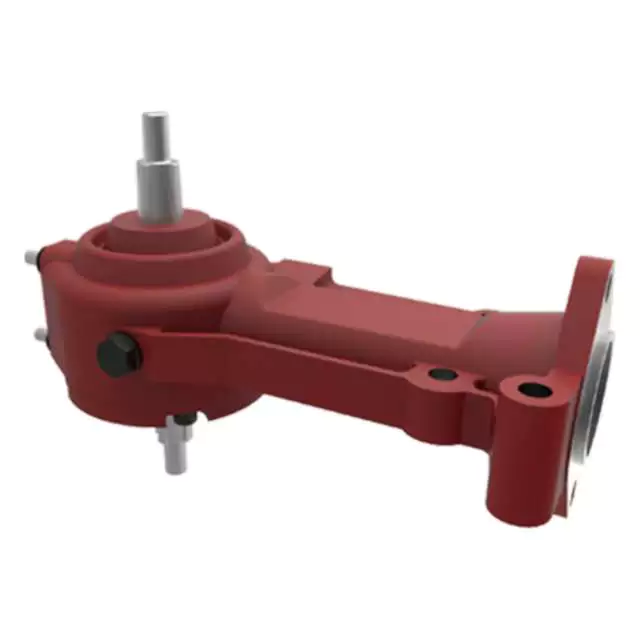
Considerations for Heavy-Duty Farming Gearboxes
Heavy-duty farming applications require robust and reliable gearboxes that can withstand high loads, harsh conditions, and frequent use. Here are the key considerations for selecting gearboxes for heavy-duty farming:
- Load Capacity: Heavy-duty gearboxes must have a high load-carrying capacity to handle the demands of agricultural machinery, such as tillers, plows, and combines.
- Material Durability: Gearboxes should be constructed from durable materials, such as hardened steel or cast iron, that can withstand the stresses and impacts associated with heavy-duty tasks.
- Sealing and Protection: Effective sealing and protection mechanisms, such as robust seals and gaskets, prevent the ingress of dirt, water, and contaminants that can cause premature wear and damage.
- Lubrication System: A reliable and efficient lubrication system is crucial for heavy-duty gearboxes to ensure proper lubrication of components under high loads and temperatures.
- Heat Dissipation: Heavy-duty applications generate significant heat. Gearboxes should have efficient heat dissipation mechanisms, such as cooling fins or oil coolers, to prevent overheating and maintain performance.
- Design and Construction: Gearbox design should incorporate reinforced housing, larger bearings, and robust gears to handle heavy loads without compromising structural integrity.
- Alignment and Mounting: Proper alignment and mounting are essential to ensure smooth and efficient power transmission. Misalignment can lead to increased wear and reduced gearbox lifespan.
- Maintenance Accessibility: Heavy-duty gearboxes should be designed for easy maintenance access. Features such as removable covers and inspection points simplify servicing and repairs.
- Compatibilidad: Gearboxes should be compatible with the specific machinery and tasks they will be used for. Customizable gear ratios and output shaft configurations enhance versatility.
- Reliability and Longevity: Heavy-duty gearboxes should be built to last, with quality craftsmanship and components that can withstand the demanding conditions of agricultural operations.
- Safety: Safety features, such as guards and emergency shutdown mechanisms, are essential to protect operators and nearby personnel from potential hazards.
- Environmental Considerations: Gearbox designs should consider environmental regulations and emissions standards to minimize the impact on the environment.
- Cost-Effectiveness: While heavy-duty gearboxes require a higher upfront investment, their durability and performance contribute to long-term cost-effectiveness by reducing downtime and the need for frequent replacements.
By carefully considering these factors, farmers can select the appropriate heavy-duty gearboxes that enhance productivity and reliability in their farming operations.
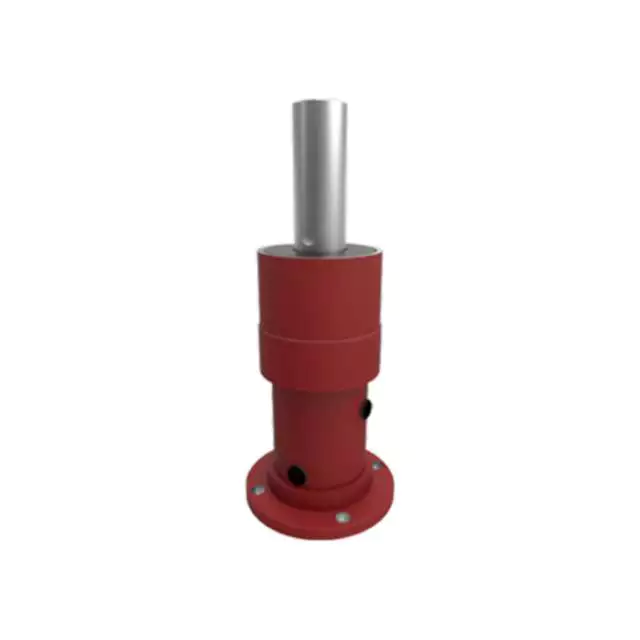
Signos comunes de desgaste de la caja de cambios y sus soluciones.
Las cajas de engranajes, como cualquier componente mecánico, pueden sufrir desgaste con el tiempo debido a factores como la fricción, la carga y las condiciones de funcionamiento. Reconocer los signos comunes de desgaste es fundamental para un mantenimiento oportuno y para evitar posibles averías. A continuación, se presentan algunos signos a tener en cuenta y las soluciones para abordarlos:
- Ruidos inusuales: Los ruidos de fricción, chasquidos o zumbidos durante el funcionamiento pueden indicar desgaste en los engranajes o cojinetes. Inspeccione la caja de engranajes para detectar dientes dañados o lubricación insuficiente. Reemplace los componentes dañados y asegúrese de una lubricación adecuada.
- Aumento de la vibración: Las vibraciones excesivas sugieren una desalineación o desequilibrio en la caja de cambios. Verifique la alineación y equilibre los componentes si es necesario. Asimismo, inspeccione si hay ejes o cojinetes desgastados o dañados.
- Fuga: Las fugas de aceite o lubricante pueden indicar desgaste en los sellos o juntas. Reemplace los sellos y las juntas para evitar fugas y garantizar una lubricación adecuada.
- Engranajes resbaladizos: Si las marchas se salen de su sitio o si hay dificultad para cambiarlas, es posible que los dientes de los engranajes estén desgastados o dañados. Inspeccione los engranajes en busca de signos de desgaste o astillamiento y reemplácelos si es necesario.
- Aumento de temperatura: La generación anormal de calor puede deberse a una mayor fricción causada por piezas desgastadas. Verifique los niveles y la calidad de la lubricación y reemplace los cojinetes o engranajes desgastados que provoquen una fricción excesiva.
- Disminución del rendimiento: La reducción de la transmisión de potencia o de la eficiencia de salida puede indicar desgaste en la caja de cambios. Inspeccione los engranajes, los cojinetes y demás componentes en busca de signos de desgaste y reemplácelos si es necesario.
- Juego excesivo: Un juego excesivo o holgura en los engranajes puede indicar desgaste en los dientes o en los cojinetes. Inspeccione los componentes para detectar desgaste, ajuste la holgura y reemplace las piezas desgastadas.
Para abordar el desgaste de la caja de engranajes, se requiere un mantenimiento rutinario que incluya una lubricación adecuada, comprobaciones de alineación e inspecciones periódicas. El reemplazo oportuno de los componentes desgastados o dañados puede prolongar la vida útil de la caja de engranajes y mantener un rendimiento óptimo en diversas aplicaciones.
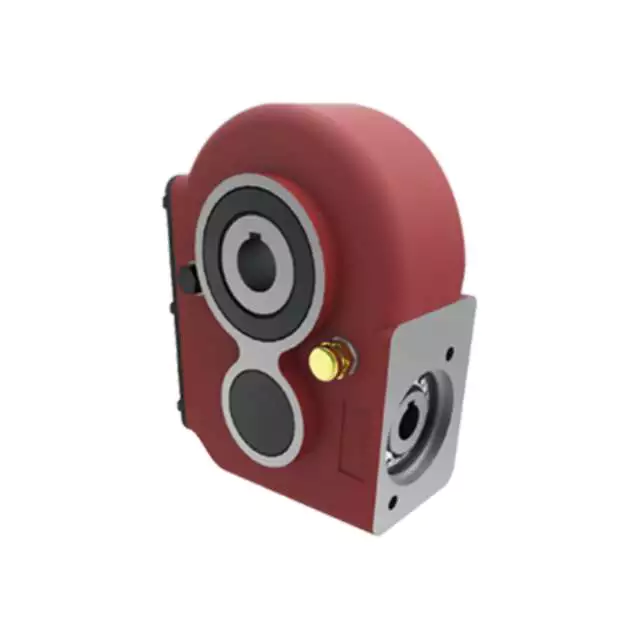
Benefits of Using High-Quality Gearboxes in Agricultural Machinery
Utilizing high-quality gearboxes in agricultural machinery offers several advantages that contribute to enhanced performance, durability, and overall operational efficiency. Here are the key benefits:
- Fiabilidad y durabilidad: High-quality gearboxes are built to withstand the demanding conditions of agricultural operations. They are constructed using durable materials, precise manufacturing techniques, and stringent quality control measures, ensuring a longer lifespan and reduced downtime due to breakdowns.
- Optimal Power Transmission: High-quality gearboxes facilitate efficient power transmission from the tractor’s engine to various implements. They minimize power losses through well-designed gear profiles, accurate alignments, and minimal friction, allowing for more effective utilization of available power.
- Smooth Operation: Gearboxes manufactured to high standards provide smooth and consistent operation. They reduce vibrations, noise, and unnecessary wear, creating a comfortable working environment for the operator and reducing stress on the machinery.
- Precision and Accuracy: Quality gearboxes offer precise control over speed, torque, and direction changes. This precision ensures accurate implementation of farming tasks, such as seeding, planting, and harvesting, leading to better yield outcomes.
- Mayor eficiencia: High-quality gearboxes minimize energy losses due to friction and inefficient gear meshing. This improved efficiency results in better fuel economy and optimized power utilization, reducing operating costs for the farmer.
- Compatibility and Adaptability: Top-tier gearboxes are designed to be compatible with a range of agricultural implements and machinery. Their adaptability allows farmers to switch between different tasks without the need for frequent adjustments or component changes.
- Reduced Maintenance Costs: Quality gearboxes require less frequent maintenance and repair. Their robust construction and precision engineering result in fewer breakdowns and extended maintenance intervals, saving both time and money.
- Mayor seguridad: Reliable gearboxes contribute to safer operations by preventing sudden failures that could lead to accidents. The smooth operation and predictable performance of high-quality gearboxes reduce the risk of mishaps during agricultural tasks.
Overall, investing in high-quality gearboxes for agricultural machinery ensures improved reliability, smoother operation, higher precision, increased efficiency, and reduced maintenance costs. These benefits ultimately contribute to enhanced productivity and better outcomes for farmers and agricultural operations.


editor by CX 2024-01-23