
Descripción del Producto
Descripción del Producto
HMCG-I Series Harmonic Reducer
HMCG-I Series Harmonic Reducer
Introducing the HMCG-I Series Harmonic Reducer from HangZhou Yijiaang Automation Technology Co., Ltd! Designed for aerospace, robotics, semiconductors, power inspection, and automation equipment.
Experience the Power of Harmonic Gear Transmission
Discover the cutting-edge transmission mode invented by C.W. Musser in 1955. The HMCG-I series utilizes elastic deformation for movement and power transmission, replacing traditional rigid components with flexibility for enhanced functionality.
Unleash the Deceleration Principle
Harness the power of the deceleration principle with the HMCG-I series harmonic reducer. The flexwheel, rigid wheel, and wave generator work together seamlessly for precise and efficient movement transmission.
Product Specifications
Nombre del producto:
Industrial Robot Ultra-Thin Series Hmcg Harmonic Precision Reducer
Upgrade to Precision and Efficiency with HMCG-I Series Harmonic Reducer
Experience the future of precision and efficiency with the HMCG-I series ultra-thin harmonic reducer. This top-of-the-line reducer is perfect for industries like Machinery, Agricultural Machinery, Car, and Robot. Its hardened tooth surface guarantees durability and reliability, ensuring long-lasting performance. The Horizontal Type installation type adds versatility for a wide range of applications.
Company Name:
HangZhou Yijiaang Automation Technology Co., Ltd
Parámetros del producto
| Modelo | Relación de reducción | Rated torque at input 2000r/min |
Permissible CHINAMFG torque at start/stop | Permissible max.value of ave.load torque | instantaneous permissible max.torque | Permssibie max.input rotational speed | Permissible ave.input rotational speed | Backlash (arc sec) | Transmission accuracy(arc sec) |
| Nuevo Méjico | Nuevo Méjico | Nuevo Méjico | Nuevo Méjico | r/min | r/min | ≤ | ≤ | ||
| 14 | 50 | 7 | 23 | 9 | 46 | 8000 | 3500 | 20 | 90 |
| 80 | 10 | 30 | 14 | 51 | 20 | 90 | |||
| 100 | 10 | 36 | 14 | 70 | 10 | 90 | |||
| 17 | 50 | 21 | 44 | 34 | 91 | 7000 | 3500 | 20 | 90 |
| 80 | 29 | 56 | 35 | 113 | 20 | 90 | |||
| 100 | 31 | 70 | 51 | 143 | 10 | 90 | |||
| 20 | 50 | 33 | 73 | 44 | 127 | 6000 | 3500 | 20 | 60 |
| 80 | 44 | 96 | 61 | 165 | 20 | 60 | |||
| 100 | 52 | 107 | 64 | 191 | 10 | 60 | |||
| 120 | 52 | 113 | 64 | 161 | 10 | 60 | |||
| 25 | 50 | 51 | 127 | 72 | 242 | 5500 | 3500 | 20 | 60 |
| 80 | 82 | 178 | 113 | 332 | 20 | 60 | |||
| 100 | 87 | 204 | 140 | 369 | 10 | 60 | |||
| 120 | 87 | 217 | 140 | 395 | 10 | 60 | |||
| 32 | 50 | 99 | 281 | 140 | 497 | 4500 | 3500 | 20 | 60 |
| 80 | 153 | 395 | 217 | 738 | 10 | 60 | |||
| 100 | 178 | 433 | 281 | 841 | 10 | 60 | |||
| 120 | 178 | 459 | 281 | 892 | 10 | 60 | |||
| 40 | 50 | 178 | 523 | 255 | 892 | 4000 | 3000 | 10 | 60 |
| 80 | 268 | 675 | 369 | 1270 | 10 | 60 | |||
| 100 | 345 | 738 | 484 | 1400 | 10 | 60 | |||
| 120 | 382 | 802 | 586 | 1530 | 10 | 60 |
Perfil de la empresa
Introducing the Industrial Robot Ultra-Thin Series Hmcg Harmonic Precision Reducer
Revolutionize your machinery with the cutting-edge technology of the Industrial Robot Ultra-Thin Series Hmcg Harmonic Precision Reducer from HangZhou Yijiaang Automation Technology Co., Ltd. This product is designed to take your transmission components to the next level, providing unmatched performance and reliability.
Featuring a hardened tooth surface, this precision reducer ensures durability and longevity, making it perfect for a wide range of applications including machinery, agricultural machinery, cars, and robots. Its horizontal installation design allows for easy integration into your existing systems, saving you time and effort.
Experience the power of this ultra-thin harmonic reducer, boasting exceptional speed reduction capabilities. Its advanced gearbox technology guarantees smooth and precise operation, allowing for seamless performance in CNC machine tools, packaging machinery, printing machinery, automation equipment, joint robots, medical equipment, AGV, and more.
At HangZhou Yijiaang Automation Technology Co., Ltd, we are committed to providing you with the highest quality products and services. Our team of experts is dedicated to technological innovation and customer satisfaction, ensuring that you receive the best possible experience.
Enhance your machinery with the Industrial Robot Ultra-Thin Series Hmcg Harmonic Precision Reducer and achieve new levels of efficiency and productivity. Contact us today!
Fotos detalladas
Preguntas frecuentes
/* 22 de enero de 2571 19:08:37 */!function(){function s(e,r){var a,o={};try{e&&e.split(“”,).forEach(function(e,t){e&&(a=e.match(/(.*?):(.*)$/))&&1
| Solicitud: | Machinery, Agricultural Machinery, Car, Robot |
|---|---|
| Dureza: | Superficie dentada endurecida |
| Instalación: | Tipo horizontal |
| Disposición: | Coaxial |
| Forma del engranaje: | Engranaje cilíndrico |
| Paso: | Paso único |
| Muestras: |
US$ 200/unidad
1 unidad (pedido mínimo) | |
|---|
| Personalización: |
Disponible
| Solicitud personalizada |
|---|
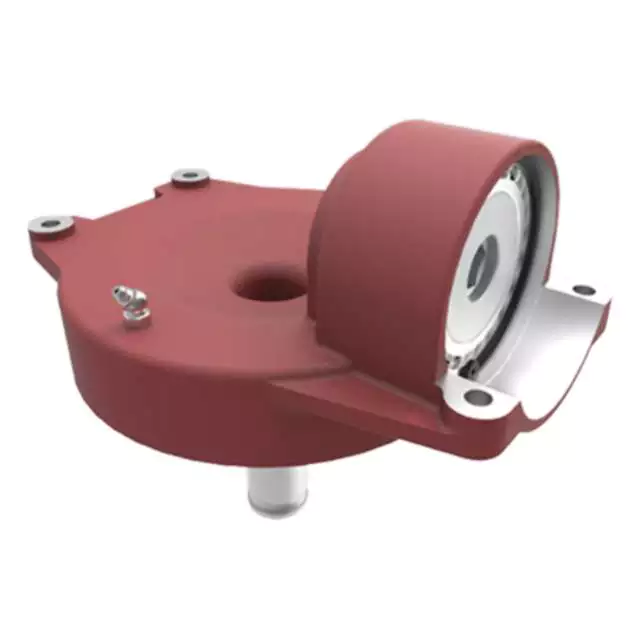
Impact of Gear Ratios on Machinery Performance in Agricultural Gearboxes
The gear ratio in agricultural gearboxes plays a crucial role in determining the performance of machinery. It directly affects the relationship between the input and output speeds and torques. Here’s how gear ratios influence machinery performance:
- Speed and Torque Conversion: Gear ratios allow for the conversion of speed and torque between the input and output shafts. Higher gear ratios can reduce output speed while increasing output torque, making it suitable for tasks requiring high power.
- Power and Efficiency: Gear ratios affect the efficiency of power transmission. While reducing the speed through higher gear ratios can increase torque, it’s essential to strike a balance to maintain efficiency. Lower efficiency can lead to energy loss and increased heat generation.
- Task Adaptability: Different agricultural tasks require varying levels of torque and speed. Gear ratios enable machinery to be adaptable to different tasks by providing the necessary torque for heavy-duty activities like plowing or tilling and higher speeds for tasks like transport.
- Optimal Performance: Selecting the appropriate gear ratio ensures that machinery operates within its optimal performance range. It prevents overloading the engine or the gearbox, contributing to smoother operation and reduced wear and tear.
- Productivity and Fuel Efficiency: Proper gear ratios can enhance the overall productivity of agricultural machinery. By optimizing torque and speed, tasks can be completed efficiently, reducing the time and fuel consumption required for operations.
- Consideration of Terrain: Different terrains and field conditions require adjustments in gear ratios. Steep slopes or heavy soil may necessitate lower gear ratios for increased torque, while flat terrain could benefit from higher ratios for faster operation.
- Impact on Components: Gear ratios can influence the load distribution on gearbox components. Higher gear ratios might subject components to increased forces and stresses, potentially affecting their lifespan.
- Operator Comfort: Proper gear ratios contribute to operator comfort by providing the necessary power for smooth operation without straining the machinery. This can lead to reduced operator fatigue and improved safety.
- Personalización: Some modern agricultural equipment offers adjustable or variable gear ratios, allowing operators to fine-tune machinery performance based on specific tasks and conditions.
Choosing the right gear ratio for agricultural gearboxes involves considering factors such as the intended task, soil conditions, and equipment specifications. It’s essential to strike a balance between torque and speed to achieve optimal machinery performance and maximize productivity.
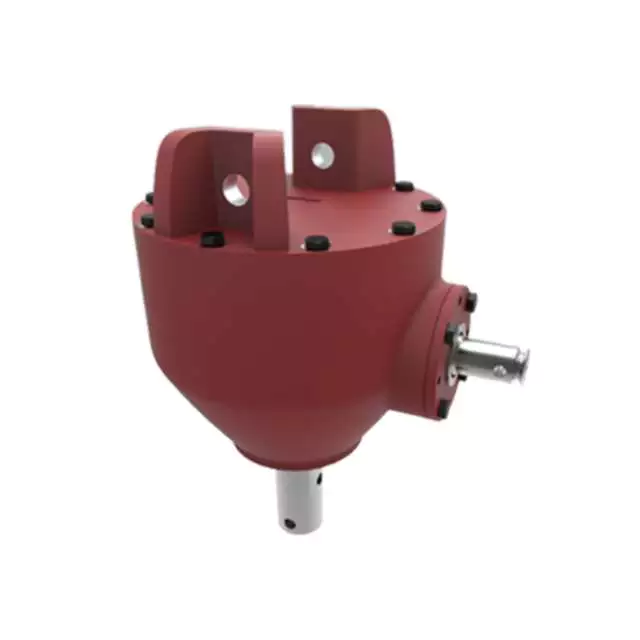
Potential Challenges in Maintenance and Repairs of Agricultural Gearboxes
Maintenance and repairs of gearboxes in agriculture can pose several challenges:
- Harsh Environments: Agricultural machinery operates in challenging environments with exposure to dirt, debris, moisture, and varying temperatures. These conditions can accelerate wear and corrosion, necessitating frequent maintenance.
- Heavy Workloads: Gearboxes in farming equipment often handle heavy workloads, leading to increased stress on components. This can result in faster wear and tear, requiring more frequent inspections and part replacements.
- Accessibility: Some gearboxes are located in hard-to-reach areas of machinery. This makes regular maintenance and repairs more challenging, as technicians may need specialized tools and equipment to access and service the gearboxes.
- Specialized Knowledge: Proper maintenance of agricultural gearboxes requires specialized knowledge and skills. Inadequate understanding of gearbox mechanics and maintenance practices can lead to improper repairs, reducing the gearbox’s lifespan and efficiency.
- Costs: Repairing or replacing gearbox components can be costly, especially for heavy-duty agricultural machinery. Farmers need to consider both the direct costs of parts and labor, as well as potential downtime during repair processes.
- Downtime: The downtime required for gearbox maintenance or repairs can impact farming operations, especially during critical planting or harvesting seasons. Efficient scheduling and backup equipment can help mitigate this challenge.
- Availability of Parts: Obtaining replacement parts for older or less common gearbox models can be challenging. Farmers may need to source parts from specialized suppliers, leading to potential delays in repairs.
Addressing these challenges requires proactive maintenance planning, regular inspections, proper training of maintenance personnel, and sourcing spare parts in advance.
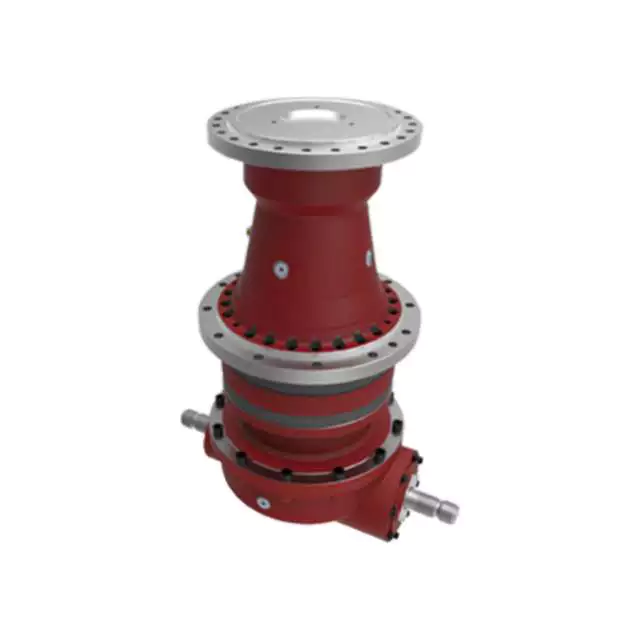
Requisitos de mantenimiento para cajas de engranajes agrícolas
El mantenimiento de las cajas de engranajes agrícolas es fundamental para garantizar el funcionamiento fluido y eficiente de la maquinaria agrícola. Un mantenimiento adecuado ayuda a prolongar la vida útil de las cajas de engranajes y previene averías costosas. Estos son los requisitos clave de mantenimiento:
- Inspecciones periódicas: Realice inspecciones visuales rutinarias para detectar signos de desgaste, daños, fugas o desalineación. Inspeccione periódicamente los dientes de los engranajes, los sellos y los cojinetes para detectar cualquier problema.
- Lubricación: Una lubricación adecuada es esencial para minimizar la fricción y el desgaste en las cajas de engranajes. Siga las instrucciones del fabricante sobre el tipo de lubricante a utilizar y los intervalos de lubricación recomendados.
- Comprobaciones de lubricante: Controle periódicamente los niveles y la calidad del lubricante de la caja de cambios. Reemplace o reponga el lubricante según sea necesario y asegúrese de que no entren contaminantes en el sistema de lubricación.
- Apretar pernos y sujetadores: Compruebe y apriete los pernos, tuercas y sujetadores para evitar que se aflojen debido a las vibraciones durante el funcionamiento. Los componentes sueltos pueden provocar desalineación y desgaste prematuro.
- Inspección de sellos: Examine las juntas para detectar fugas y comprobar que no estén bien selladas. Las juntas dañadas o desgastadas deben reemplazarse de inmediato para evitar fugas de lubricante y la entrada de contaminantes.
- Limpieza: Mantenga limpias las cajas de cambios eliminando la suciedad, los residuos y los desechos. La limpieza regular evita que las partículas abrasivas entren en la caja de cambios y la dañen.
- Alineación: Asegúrese de que las cajas de engranajes estén correctamente alineadas con los componentes conectados, como ejes y acoplamientos. Una desalineación puede provocar un mayor desgaste y una menor eficiencia.
- Control de temperatura: Controle la temperatura de funcionamiento de la caja de cambios. Los aumentos anormales de temperatura pueden indicar problemas como sobrecarga o lubricación insuficiente.
- Sustitución del filtro: Si la caja de cambios dispone de un sistema de filtración, reemplace o limpie los filtros periódicamente para evitar que entren contaminantes en la caja de cambios.
- Inspección experta: Haga revisar periódicamente las cajas de cambios por técnicos cualificados. Ellos pueden identificar posibles problemas que podrían no ser visibles durante las inspecciones rutinarias.
El cumplimiento de estos requisitos de mantenimiento garantiza que las cajas de engranajes agrícolas se mantengan en óptimas condiciones y contribuyan a la fiabilidad y eficiencia de la maquinaria agrícola. El mantenimiento regular no solo previene paradas inesperadas, sino que también prolonga la vida útil de las cajas de engranajes, lo que en última instancia beneficia la productividad de las explotaciones agrícolas.


editor by CX 2024-05-10