
Produktbeschreibung
Produktbeschreibung
HMCG-I Series Harmonic Reducer
HMCG-I Series Harmonic Reducer
Introducing the HMCG-I Series Harmonic Reducer from HangZhou Yijiaang Automation Technology Co., Ltd! Designed for aerospace, robotics, semiconductors, power inspection, and automation equipment.
Experience the Power of Harmonic Gear Transmission
Discover the cutting-edge transmission mode invented by C.W. Musser in 1955. The HMCG-I series utilizes elastic deformation for movement and power transmission, replacing traditional rigid components with flexibility for enhanced functionality.
Unleash the Deceleration Principle
Harness the power of the deceleration principle with the HMCG-I series harmonic reducer. The flexwheel, rigid wheel, and wave generator work together seamlessly for precise and efficient movement transmission.
Produktspezifikationen
Product Name:
Industrial Robot Ultra-Thin Series Hmcg Harmonic Precision Reducer
Upgrade to Precision and Efficiency with HMCG-I Series Harmonic Reducer
Experience the future of precision and efficiency with the HMCG-I series ultra-thin harmonic reducer. This top-of-the-line reducer is perfect for industries like Machinery, Agricultural Machinery, Car, and Robot. Its hardened tooth surface guarantees durability and reliability, ensuring long-lasting performance. The Horizontal Type installation type adds versatility for a wide range of applications.
Company Name:
HangZhou Yijiaang Automation Technology Co., Ltd
Produktparameter
| Modell | Reduction ratio | Rated torque at input 2000r/min |
Permissible CHINAMFG torque at start/stop | Permissible max.value of ave.load torque | instantaneous permissible max.torque | Permssibie max.input rotational speed | Permissible ave.input rotational speed | Backlash (arc sec) | Transmission accuracy(arc sec) |
| Nm | Nm | Nm | Nm | r/min | r/min | ≤ | ≤ | ||
| 14 | 50 | 7 | 23 | 9 | 46 | 8000 | 3500 | 20 | 90 |
| 80 | 10 | 30 | 14 | 51 | 20 | 90 | |||
| 100 | 10 | 36 | 14 | 70 | 10 | 90 | |||
| 17 | 50 | 21 | 44 | 34 | 91 | 7000 | 3500 | 20 | 90 |
| 80 | 29 | 56 | 35 | 113 | 20 | 90 | |||
| 100 | 31 | 70 | 51 | 143 | 10 | 90 | |||
| 20 | 50 | 33 | 73 | 44 | 127 | 6000 | 3500 | 20 | 60 |
| 80 | 44 | 96 | 61 | 165 | 20 | 60 | |||
| 100 | 52 | 107 | 64 | 191 | 10 | 60 | |||
| 120 | 52 | 113 | 64 | 161 | 10 | 60 | |||
| 25 | 50 | 51 | 127 | 72 | 242 | 5500 | 3500 | 20 | 60 |
| 80 | 82 | 178 | 113 | 332 | 20 | 60 | |||
| 100 | 87 | 204 | 140 | 369 | 10 | 60 | |||
| 120 | 87 | 217 | 140 | 395 | 10 | 60 | |||
| 32 | 50 | 99 | 281 | 140 | 497 | 4500 | 3500 | 20 | 60 |
| 80 | 153 | 395 | 217 | 738 | 10 | 60 | |||
| 100 | 178 | 433 | 281 | 841 | 10 | 60 | |||
| 120 | 178 | 459 | 281 | 892 | 10 | 60 | |||
| 40 | 50 | 178 | 523 | 255 | 892 | 4000 | 3000 | 10 | 60 |
| 80 | 268 | 675 | 369 | 1270 | 10 | 60 | |||
| 100 | 345 | 738 | 484 | 1400 | 10 | 60 | |||
| 120 | 382 | 802 | 586 | 1530 | 10 | 60 |
Unternehmensprofil
Introducing the Industrial Robot Ultra-Thin Series Hmcg Harmonic Precision Reducer
Revolutionize your machinery with the cutting-edge technology of the Industrial Robot Ultra-Thin Series Hmcg Harmonic Precision Reducer from HangZhou Yijiaang Automation Technology Co., Ltd. This product is designed to take your transmission components to the next level, providing unmatched performance and reliability.
Featuring a hardened tooth surface, this precision reducer ensures durability and longevity, making it perfect for a wide range of applications including machinery, agricultural machinery, cars, and robots. Its horizontal installation design allows for easy integration into your existing systems, saving you time and effort.
Experience the power of this ultra-thin harmonic reducer, boasting exceptional speed reduction capabilities. Its advanced gearbox technology guarantees smooth and precise operation, allowing for seamless performance in CNC machine tools, packaging machinery, printing machinery, automation equipment, joint robots, medical equipment, AGV, and more.
At HangZhou Yijiaang Automation Technology Co., Ltd, we are committed to providing you with the highest quality products and services. Our team of experts is dedicated to technological innovation and customer satisfaction, ensuring that you receive the best possible experience.
Enhance your machinery with the Industrial Robot Ultra-Thin Series Hmcg Harmonic Precision Reducer and achieve new levels of efficiency and productivity. Contact us today!
Detaillierte Fotos
Häufig gestellte Fragen
/* 22. Januar 2571 19:08:37 */!function(){function s(e,r){var a,o={};try{e&&e.split(“,”).forEach(function(e,t){e&&(a=e.match(/(.*?):(.*)$/))&&1
| Anwendung: | Machinery, Agricultural Machinery, Car, Robot |
|---|---|
| Härte: | Gehärtete Zahnoberfläche |
| Installation: | Horizontaler Typ |
| Layout: | Koaxial |
| Zahnradform: | Zylinderzahnrad |
| Schritt: | Einzelschritt |
| Proben: |
US$ 200/Piece
1 Stück (Mindestbestellmenge) | |
|---|
| Anpassung: |
Verfügbar
| Kundenspezifische Anfrage |
|---|
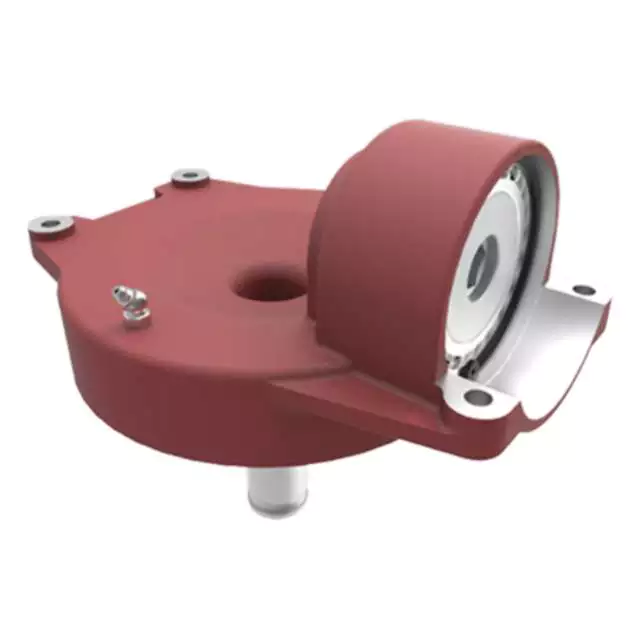
Einfluss der Übersetzungsverhältnisse auf die Maschinenleistung in landwirtschaftlichen Getrieben
Das Übersetzungsverhältnis in landwirtschaftlichen Getrieben spielt eine entscheidende Rolle für die Leistungsfähigkeit der Maschinen. Es beeinflusst direkt das Verhältnis zwischen Eingangs- und Ausgangsdrehzahl sowie Drehmoment. So wirkt sich das Übersetzungsverhältnis auf die Maschinenleistung aus:
- Drehzahl- und Drehmomentumwandlung: Die Getriebeübersetzung ermöglicht die Umwandlung von Drehzahl und Drehmoment zwischen Eingangs- und Ausgangswelle. Höhere Übersetzungsverhältnisse können die Ausgangsdrehzahl reduzieren und gleichzeitig das Ausgangsdrehmoment erhöhen, wodurch sich das Getriebe für Aufgaben mit hohem Leistungsbedarf eignet.
- Leistung und Effizienz: Die Getriebeübersetzung beeinflusst den Wirkungsgrad der Kraftübertragung. Zwar kann eine Reduzierung der Drehzahl durch höhere Übersetzungsverhältnisse das Drehmoment erhöhen, doch ist ein ausgewogenes Verhältnis wichtig, um den Wirkungsgrad zu erhalten. Ein geringerer Wirkungsgrad kann zu Energieverlusten und erhöhter Wärmeentwicklung führen.
- Aufgabenanpassungsfähigkeit: Unterschiedliche landwirtschaftliche Aufgaben erfordern unterschiedliche Drehmomente und Drehzahlen. Durch die Getriebeübersetzung können Maschinen an verschiedene Aufgaben angepasst werden, indem das notwendige Drehmoment für schwere Arbeiten wie Pflügen oder Bodenbearbeitung und höhere Geschwindigkeiten für Aufgaben wie den Transport bereitgestellt werden.
- Optimale Leistung: Die Wahl des passenden Übersetzungsverhältnisses gewährleistet den optimalen Betriebsbereich der Maschine. Dadurch wird eine Überlastung von Motor und Getriebe verhindert, was zu einem ruhigeren Lauf und geringerem Verschleiß beiträgt.
- Produktivität und Kraftstoffeffizienz: Die richtige Getriebeübersetzung kann die Gesamtproduktivität von Landmaschinen steigern. Durch die Optimierung von Drehmoment und Drehzahl lassen sich Arbeitsaufgaben effizienter erledigen, wodurch Zeitaufwand und Kraftstoffverbrauch reduziert werden.
- Berücksichtigung des Geländes: Unterschiedliche Geländebedingungen und Feldverhältnisse erfordern Anpassungen der Getriebeübersetzungen. Steile Hänge oder schwere Böden können niedrigere Übersetzungsverhältnisse für ein höheres Drehmoment notwendig machen, während flaches Gelände von höheren Übersetzungen für einen schnelleren Betrieb profitieren kann.
- Auswirkungen auf die Komponenten: Die Übersetzungsverhältnisse können die Lastverteilung auf Getriebekomponenten beeinflussen. Höhere Übersetzungsverhältnisse können die Komponenten höheren Kräften und Belastungen aussetzen und dadurch deren Lebensdauer beeinträchtigen.
- Bedienerkomfort: Die richtige Getriebeübersetzung trägt zum Bedienerkomfort bei, indem sie die notwendige Kraft für einen reibungslosen Betrieb bereitstellt, ohne die Maschine zu überlasten. Dies kann die Ermüdung des Bedieners verringern und die Sicherheit erhöhen.
- Anpassung: Einige moderne Landmaschinen bieten einstellbare oder variable Übersetzungsverhältnisse, die es dem Bediener ermöglichen, die Leistung der Maschinen je nach Aufgabe und Bedingungen feinabzustimmen.
Die Wahl des richtigen Übersetzungsverhältnisses für landwirtschaftliche Getriebe erfordert die Berücksichtigung von Faktoren wie der vorgesehenen Aufgabe, den Bodenverhältnissen und den technischen Daten der Maschine. Es ist entscheidend, ein ausgewogenes Verhältnis zwischen Drehmoment und Drehzahl zu finden, um eine optimale Maschinenleistung und maximale Produktivität zu erzielen.
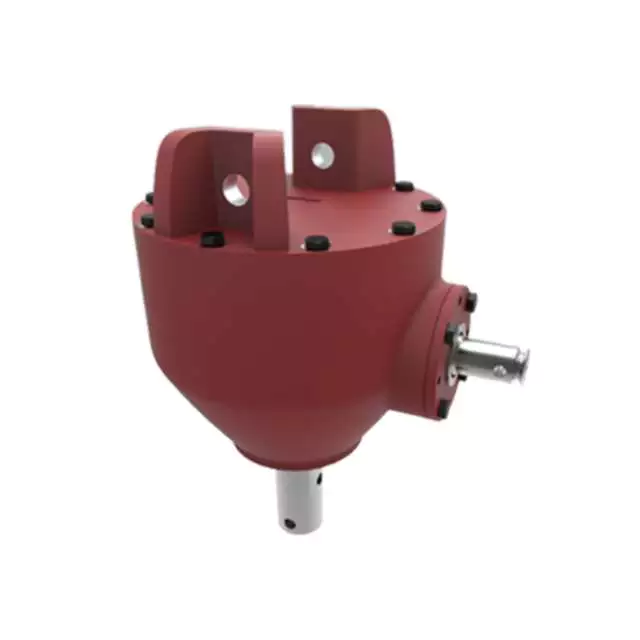
Potential Challenges in Maintenance and Repairs of Agricultural Gearboxes
Maintenance and repairs of gearboxes in agriculture can pose several challenges:
- Harsh Environments: Agricultural machinery operates in challenging environments with exposure to dirt, debris, moisture, and varying temperatures. These conditions can accelerate wear and corrosion, necessitating frequent maintenance.
- Heavy Workloads: Gearboxes in farming equipment often handle heavy workloads, leading to increased stress on components. This can result in faster wear and tear, requiring more frequent inspections and part replacements.
- Accessibility: Some gearboxes are located in hard-to-reach areas of machinery. This makes regular maintenance and repairs more challenging, as technicians may need specialized tools and equipment to access and service the gearboxes.
- Specialized Knowledge: Proper maintenance of agricultural gearboxes requires specialized knowledge and skills. Inadequate understanding of gearbox mechanics and maintenance practices can lead to improper repairs, reducing the gearbox’s lifespan and efficiency.
- Costs: Repairing or replacing gearbox components can be costly, especially for heavy-duty agricultural machinery. Farmers need to consider both the direct costs of parts and labor, as well as potential downtime during repair processes.
- Downtime: The downtime required for gearbox maintenance or repairs can impact farming operations, especially during critical planting or harvesting seasons. Efficient scheduling and backup equipment can help mitigate this challenge.
- Availability of Parts: Obtaining replacement parts for older or less common gearbox models can be challenging. Farmers may need to source parts from specialized suppliers, leading to potential delays in repairs.
Addressing these challenges requires proactive maintenance planning, regular inspections, proper training of maintenance personnel, and sourcing spare parts in advance.
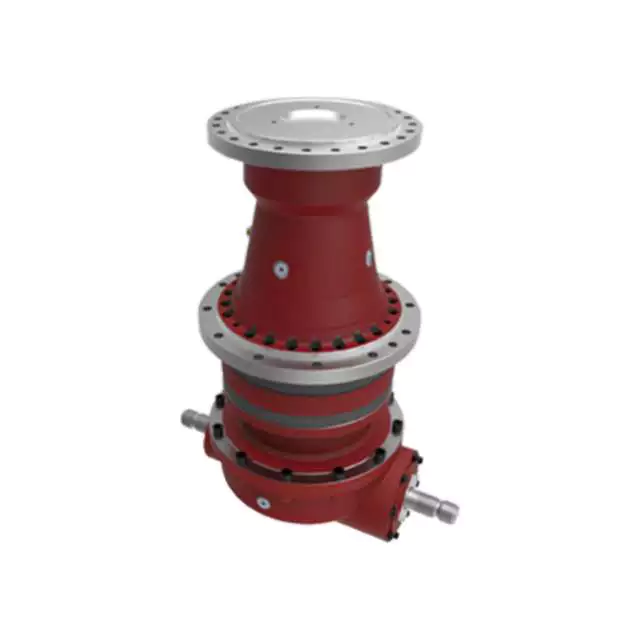
Maintenance Requirements for Agricultural Gearboxes
Maintaining agricultural gearboxes is crucial to ensure the smooth and efficient operation of farming equipment. Proper maintenance helps extend the lifespan of gearboxes and prevents costly breakdowns. Here are the key maintenance requirements:
- Regular Inspections: Conduct routine visual inspections to check for signs of wear, damage, leaks, or misalignment. Regularly inspect gear teeth, seals, and bearings for any issues.
- Schmierung: Proper lubrication is essential to minimize friction and wear in gearboxes. Follow the manufacturer’s guidelines for the type of lubricant to use and the recommended intervals for lubrication.
- Lubricant Checks: Monitor the gearbox’s lubricant levels and quality regularly. Replace or replenish lubricants as needed, and ensure that contaminants are kept out of the lubrication system.
- Tightening Bolts and Fasteners: Check and tighten bolts, nuts, and fasteners to prevent loosening due to vibrations during operation. Loose components can lead to misalignment and premature wear.
- Seal Inspection: Examine seals for leaks and proper sealing. Damaged or worn seals should be replaced promptly to prevent lubricant leakage and the ingress of contaminants.
- Cleaning: Keep gearboxes clean by removing dirt, debris, and residue. Regular cleaning prevents abrasive particles from entering the gearbox and causing damage.
- Alignment: Ensure that gearboxes are properly aligned with connected components, such as shafts and couplings. Misalignment can lead to increased wear and reduced efficiency.
- Temperature Monitoring: Monitor the operating temperature of the gearbox. Abnormal temperature increases may indicate issues like overloading or insufficient lubrication.
- Filter Replacement: If the gearbox has a filtration system, regularly replace or clean the filters to prevent contaminants from entering the gearbox.
- Expert Inspection: Periodically have gearboxes inspected by qualified technicians. They can identify potential problems that may not be visible during routine inspections.
Adhering to these maintenance requirements ensures that agricultural gearboxes remain in optimal condition and contribute to the reliability and efficiency of farming equipment. Regular maintenance not only prevents unexpected downtime but also prolongs the service life of the gearboxes, ultimately benefiting the productivity of agricultural operations.


editor by CX 2024-05-10