
Бир ылдамдыктагы жана эки ылдамдыктагы айыл чарба редукторлору: кантип тандоо керек
The choice between a single-speed and dual-speed agricultural gearbox is one that many buyers do not consciously make — they simply replace a failed unit with the same type that came out. But when specifying a replacement for an older implement, uprating an implement for a more powerful tractor, or selecting a gearbox for a new implement build, the choice between single and dual speed is a functional decision with direct consequences for operating efficiency and versatility across different soil conditions and crop types.
This guide explains what distinguishes single-speed from dual-speed agricultural gearboxes, the applications where each type is the better choice, and the practical tradeoffs that determine which is correct for your specific use case.
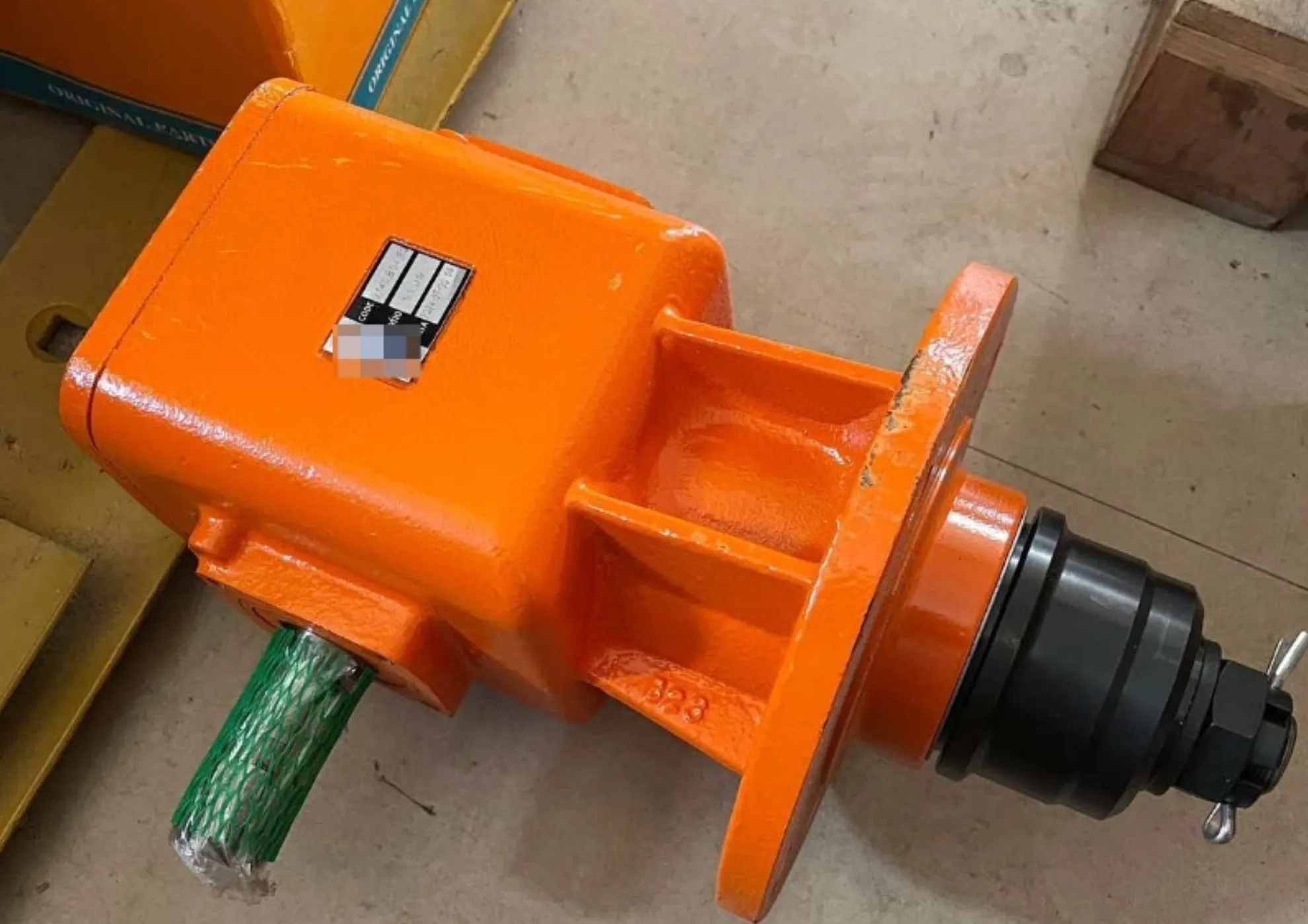
Single-Speed Gearboxes
A single-speed agricultural gearbox delivers one fixed output ratio from the PTO input. The output shaft speed is determined entirely by the input PTO speed and the fixed internal gear ratio. For most agricultural implements, a fixed ratio is adequate — a rotary mower at a fixed blade speed, a fertiliser spreader at a fixed disc speed, or a specific tiller application at a fixed rotor speed. Single-speed units are simpler in construction, more compact, lower in cost, and more reliable due to fewer components than dual-speed equivalents. They represent the correct choice for implements that operate in consistent conditions without requiring adaptation to different soils, crops, or output speed requirements.
Dual-Speed Gearboxes
A dual-speed (two-speed) agricultural gearbox incorporates a gear change mechanism — typically a sliding gear, dog clutch, or external chain/sprocket swap — that allows the operator to select between two different output ratios from the same PTO input. The two ratios are usually described as high speed and low speed, and the difference between them is typically 30–60% of the higher output speed. This provides the ability to adapt the implement’s working speed to conditions without changing the tractor’s PTO speed setting.
Dual-speed gearboxes are appropriate for implements that work across a range of conditions where the optimal tool speed varies. A rotary tiller used in both light sandy soils (requiring higher rotor speed for adequate surface finish) and heavy clay (requiring lower rotor speed to reduce tooth loading and shock transmission to the gearbox) benefits significantly from a dual-speed unit — selecting the lower ratio in clay reduces both tooth loading and the shock amplitude transmitted to the gearbox from rock contacts, extending gearbox service life in heavy conditions.
| Factor | Single-Speed | Dual-Speed |
|---|---|---|
| Initial cost | Lower | 15–30% higher |
| Complexity / failure points | Low | Moderate |
| Versatility across conditions | Fixed | High |
| Best for | Consistent conditions | Variable soil / crop types |
| Maintenance requirement | Стандарттык | Standard + shift mechanism check |
For replacement single-speed and dual-speed agricultural gearboxes, browse our айыл чарба редукторунун каталогу. Contact [email protected] with your PTO speed, required ratio(s), and power rating for a targeted recommendation.
Single and Dual-Speed Agricultural Gearboxes in Stock
PRR Tractor Part stocks single-speed and dual-speed gearboxes for tillers, mowers, and PTO-driven implements. Provide PTO speed, ratio, and power specification for a confirmed match.
Көп берилүүчү суроолор
Agricultural Gearboxes — Single and Dual Speed in Stock
540 and 1000 RPM PTO, common ratios, continuous power ratings from 15 to 80 HP — provide specification for a confirmed match.
PRR Tractor Parts чектелген өнөктөштүгү | [email protected]
304/1170 Soi Phahonyothin 49/1, кесилиши 6, Талат Банг Кхен кичи району, Лак Си району