
Description du produit
The Pump Drives (Hydraulic pump Drives) is a gearbox allowing the connection between a prime mover (internal combustion engine or electric motor for example) and 1 or more hydraulic pumps. Usually it is used on both stationary and mobile application where mechanical power must be converted into hydraulic power for the purpose of operating travel functions and services.
The hydraulic pumps drives gearboxes consist of a gear drive inside a CHINAMFG housing that connects to a gasoline or diesel engine. The opposite side contains 1 or more standard 2- or 4-bolt flanges for mounting hydraulic pumps. This configuration provides several benefits. For one, 2 or more identical pumps can be connected to provide nearly identical hydraulic output flow from each. Or different sized pumps can be used provide output flow proportional to the displacement of each pump.These gearboxes not only saves space and weight but also eliminates the number of components and reduces assembly time for the whole machinery. Our modular pump drives could allow driving 2 to 4 pumps simultaneously. This not only offers design flexibility, but can boost system efficiency as well.
| Modèle | 2 pumps drive | 3 pumps drive | 4 pumps drive | |||||||
| Paramètre | KK190-2N | KK400-2N | KK530-2N | KK700-2N | KK280-3N | KK400-3N | KK530-3N | KK700-3N | KK530-4N | KK700-4N |
| Puissance d'entrée maximale (KW) | 190 | 400 | 530 | 700 | 280 | 400 | 530 | 700 | 530 | 700 |
| Puissance de sortie maximale par plaque de pompe (KW) | 110 | 210 | 270 | 360 | 150 | 210 | 270 | 360 | 270 | 330 |
| Couple de sortie maximal par patin de pompe (Nm) | 400 | 900 | 1500 | 1900 | 800 | 900 | 1500 | 1900 | 1500 | 1800 |
| Vitesse d'entrée maximale (tr/min) | 2800 | 2600 | 2600 | 2400 | 2800 | 2600 | 2600 | 2400 | 2600 | 2400 |
| Vitesse de sortie maximale (tr/min) | 3200 | 2800 | 2800 | 2700 | 3200 | 2800 | 2800 | 2700 | 2800 | 2700 |
| Rapport de transmission | 0.74/0.81/0.89/0.98··· | 0.67/0.74/0.81/0.89/0.98··· | 0.67/0.74/0.81/0.89/0.98··· | 0.67/0.74/0.81/0.89/0.98··· | 0.74/0.81/0.89/0.98··· | 0.67/0.74/0.81/0.89/0.98··· | 0.67/0.74/0.81/0.89/0.98··· | 0.67/0.74/0.81/0.89/0.98··· | 0.67/0.74/0.81/0.89/0.98··· | 0.67/0.74/0.81/0.89/0.98··· |
| Dimensions du support du moteur principal | SAE #3 #4 etc. | SAE #2 #3 etc. | SAE #1 #2 #3 etc. | SAE #0 #1 #2 etc. | SAE #3 #4 etc. | SAE #2 #3 etc. | SAE #1 #2 #3 etc. | SAE #0 #1 #2 etc. | SAE #1 #2 #3 etc. | SAE #1 #2 etc. |
| Dimensionnement de l'orifice d'une pompe simple | Bride SAE A, B, C, etc. | Bride SAE A, B, C, D, etc. | Bride SAE B, C, D, E, etc. | Bride SAE C, D, E, etc. | Bride SAE A, B, C, etc. | Bride SAE A, B, C, D, etc. | Bride SAE B, C, D, E, etc. | Bride SAE C, D, E, etc. | Bride SAE B, C, D, E, etc. | Bride SAE BC,D, etc. |
| Matériau du boîtier | Fonte | Fonte | Fonte | Fonte | Fonte | Fonte | Fonte | Fonte | Fonte | Fonte |
/* 22 janvier 2571 19:08:37 */!function(){function s(e,r){var a,o={};try{e&&e.split(“,”).forEach(function(e,t){e&&(a=e.match(/(.*?):(.*)$/))&&1
| Application: | Machines, machines agricoles |
|---|---|
| Fonction: | Puissance distribuée, changement de vitesse, réduction de vitesse, augmentation de vitesse |
| Installation: | Type horizontal |
| Taper: | Cylindrical Gear Box |
| Product Name: | Hydraulic Pump Drive |
| Conditon: | New |
| Exemples : |
US$ 4990/Piece
1 pièce (commande minimale) | |
|---|
| Personnalisation : |
Disponible
| Demande personnalisée |
|---|
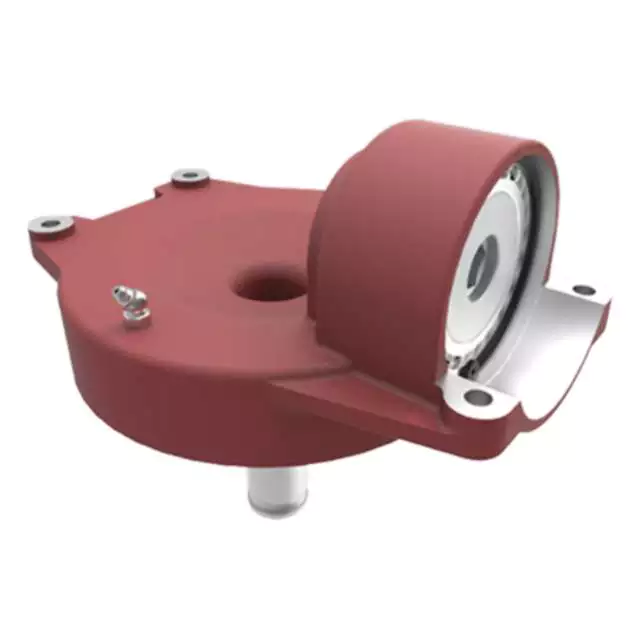
Impact of Gear Ratios on Machinery Performance in Agricultural Gearboxes
The gear ratio in agricultural gearboxes plays a crucial role in determining the performance of machinery. It directly affects the relationship between the input and output speeds and torques. Here’s how gear ratios influence machinery performance:
- Speed and Torque Conversion: Gear ratios allow for the conversion of speed and torque between the input and output shafts. Higher gear ratios can reduce output speed while increasing output torque, making it suitable for tasks requiring high power.
- Power and Efficiency: Gear ratios affect the efficiency of power transmission. While reducing the speed through higher gear ratios can increase torque, it’s essential to strike a balance to maintain efficiency. Lower efficiency can lead to energy loss and increased heat generation.
- Task Adaptability: Different agricultural tasks require varying levels of torque and speed. Gear ratios enable machinery to be adaptable to different tasks by providing the necessary torque for heavy-duty activities like plowing or tilling and higher speeds for tasks like transport.
- Optimal Performance: Selecting the appropriate gear ratio ensures that machinery operates within its optimal performance range. It prevents overloading the engine or the gearbox, contributing to smoother operation and reduced wear and tear.
- Productivity and Fuel Efficiency: Proper gear ratios can enhance the overall productivity of agricultural machinery. By optimizing torque and speed, tasks can be completed efficiently, reducing the time and fuel consumption required for operations.
- Consideration of Terrain: Different terrains and field conditions require adjustments in gear ratios. Steep slopes or heavy soil may necessitate lower gear ratios for increased torque, while flat terrain could benefit from higher ratios for faster operation.
- Impact on Components: Gear ratios can influence the load distribution on gearbox components. Higher gear ratios might subject components to increased forces and stresses, potentially affecting their lifespan.
- Operator Comfort: Proper gear ratios contribute to operator comfort by providing the necessary power for smooth operation without straining the machinery. This can lead to reduced operator fatigue and improved safety.
- Personnalisation : Some modern agricultural equipment offers adjustable or variable gear ratios, allowing operators to fine-tune machinery performance based on specific tasks and conditions.
Choosing the right gear ratio for agricultural gearboxes involves considering factors such as the intended task, soil conditions, and equipment specifications. It’s essential to strike a balance between torque and speed to achieve optimal machinery performance and maximize productivity.
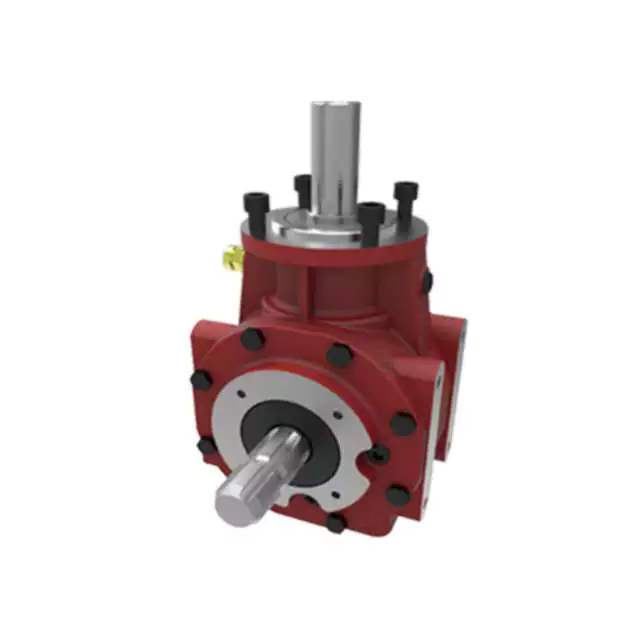
Précautions de sécurité spécifiques pour le fonctionnement des boîtes de vitesses agricoles
L'utilisation de machines agricoles à boîte de vitesses exige une attention particulière à la sécurité afin de prévenir les accidents et d'assurer la sécurité des opérateurs et des personnes présentes. Voici quelques précautions de sécurité spécifiques liées à l'utilisation des boîtes de vitesses agricoles :
- Lisez le manuel : Consultez le manuel du fabricant de la boîte de vitesses et de la machine concernées. Il contient des informations précieuses sur leur bon fonctionnement, leur entretien et les consignes de sécurité.
- Formation adéquate : S'assurer que les opérateurs sont formés à l'utilisation en toute sécurité des machines, notamment à la manière d'engager et de désengager la boîte de vitesses, de régler les vitesses et de gérer les situations d'urgence.
- Équipement de protection : Les opérateurs doivent porter un équipement de protection approprié, tel qu'un casque, des gants, des lunettes de sécurité et des chaussures robustes, afin de réduire les risques de blessures dues aux débris, aux pièces mobiles ou à d'autres dangers.
- Espace de travail dégagé : Avant d'utiliser la machine, dégagez la zone de tout obstacle, débris et personne. Assurez-vous de maintenir une distance de sécurité entre la machine et les personnes.
- Attaches sécurisées : Si la boîte de vitesses est utilisée avec des accessoires, assurez-vous qu'ils sont correctement fixés et montés conformément aux instructions du fabricant afin d'éviter tout détachement pendant le fonctionnement.
- Engagez-vous en toute sécurité : N’engagez la boîte de vitesses et ne démarrez la machine qu’après vous être assuré que tout le personnel se trouve à une distance de sécurité et que la machine est sur un sol stable.
- Évitez les vêtements amples : Les opérateurs doivent éviter de porter des vêtements amples ou des accessoires susceptibles de se coincer dans les pièces mobiles.
- Arrêts d'urgence : Familiarisez-vous avec l'emplacement des boutons et interrupteurs d'arrêt d'urgence sur la machine et soyez prêt à les utiliser en cas de besoin.
- Entretien régulier : Effectuez des contrôles d'entretien réguliers sur la boîte de vitesses et les machines afin de vous assurer du bon fonctionnement de tous les composants. Remplacez les pièces usées et lubrifiez les composants conformément aux recommandations du fabricant.
- Arrêt correct : Une fois la tâche terminée, désengagez la boîte de vitesses, arrêtez la machine et enclenchez les dispositifs de sécurité pour éviter tout démarrage accidentel.
Le respect de ces consignes de sécurité permet de réduire considérablement les risques d'accidents et de blessures lors de l'utilisation de machines agricoles à boîte de vitesses. La sécurité doit toujours être la priorité absolue afin de garantir un environnement de travail sûr pour tous.
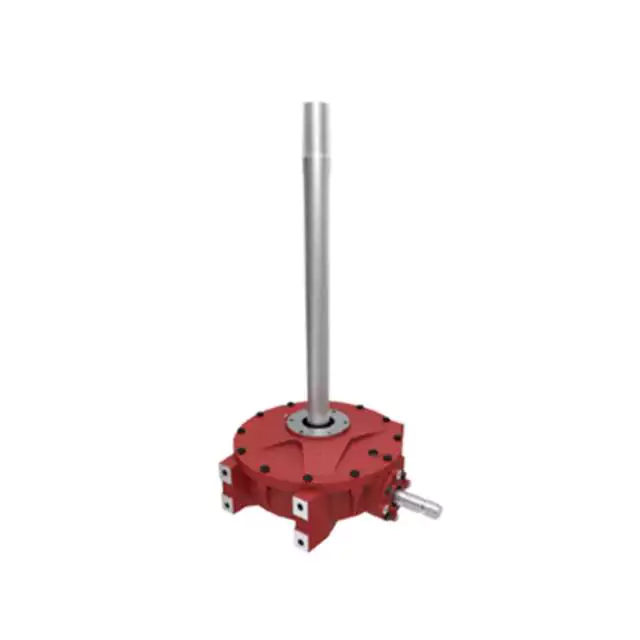
Types of Agricultural Gearboxes for Specific Tasks
Various types of agricultural gearboxes are designed to cater to specific tasks and applications in farming. These gearboxes are engineered to meet the unique requirements of different agricultural machinery and operations. Some common types of agricultural gearboxes include:
- Rotary Mower Gearboxes: These gearboxes are used in rotary mowers and cutters. They transmit power from the tractor’s power take-off (PTO) to the blades, enabling efficient cutting of grass, crops, and vegetation.
- Manure Spreader Gearboxes: Manure spreaders utilize specialized gearboxes to distribute manure evenly across fields. These gearboxes ensure consistent spreading of fertilizer while accommodating variable loads.
- Harvesting Gearboxes: Gearboxes used in harvesting equipment, such as combines and harvesters, enable efficient gathering, threshing, and separating of crops from their stalks. These gearboxes handle high loads and varying operating conditions.
- Seed Drill Gearboxes: Seed drills require gearboxes to distribute seeds accurately and at consistent intervals. These gearboxes ensure precise seed placement for optimal germination and crop growth.
- Hay Rake Gearboxes: Hay rakes utilize gearboxes to gather and arrange hay into windrows for baling. These gearboxes help optimize the hay collection process.
- Irrigation System Gearboxes: Agricultural irrigation systems may use gearboxes to control the movement and positioning of irrigation equipment, ensuring efficient water distribution across fields.
- Tillage Equipment Gearboxes: Gearboxes used in tillage equipment, such as plows and cultivators, help break up soil, prepare seedbeds, and promote seedling emergence.
- Tractor Gearboxes: Tractors may incorporate various gearboxes for tasks such as shifting gears, driving the power take-off, and operating attachments.
- Grain Auger Gearboxes: Grain augers use gearboxes to facilitate the movement of harvested grain from one location to another, such as from a combine to a storage bin.
Each type of agricultural gearbox is designed with specific features, load capacities, and durability to suit the demands of its intended task. Manufacturers engineer these gearboxes to withstand the challenging conditions of agricultural operations while ensuring efficient and reliable performance.


editor by CX 2024-03-29