
Descripción del Producto
The Pump Drives (Hydraulic pump Drives) is a gearbox allowing the connection between a prime mover (internal combustion engine or electric motor for example) and 1 or more hydraulic pumps. Usually it is used on both stationary and mobile application where mechanical power must be converted into hydraulic power for the purpose of operating travel functions and services.
The hydraulic pumps drives gearboxes consist of a gear drive inside a CHINAMFG housing that connects to a gasoline or diesel engine. The opposite side contains 1 or more standard 2- or 4-bolt flanges for mounting hydraulic pumps. This configuration provides several benefits. For one, 2 or more identical pumps can be connected to provide nearly identical hydraulic output flow from each. Or different sized pumps can be used provide output flow proportional to the displacement of each pump.These gearboxes not only saves space and weight but also eliminates the number of components and reduces assembly time for the whole machinery. Our modular pump drives could allow driving 2 to 4 pumps simultaneously. This not only offers design flexibility, but can boost system efficiency as well.
| Modelo | 2 pumps drive | 3 pumps drive | 4 pumps drive | |||||||
| Parameter | KK190-2N | KK400-2N | KK530-2N | KK700-2N | KK280-3N | KK400-3N | KK530-3N | KK700-3N | KK530-4N | KK700-4N |
| Max. Input power (KW) | 190 | 400 | 530 | 700 | 280 | 400 | 530 | 700 | 530 | 700 |
| Max. Output power per pump pad (KW) | 110 | 210 | 270 | 360 | 150 | 210 | 270 | 360 | 270 | 330 |
| Max. Output torque per pump pad (Nm) | 400 | 900 | 1500 | 1900 | 800 | 900 | 1500 | 1900 | 1500 | 1800 |
| Max. Input speed (RPM) | 2800 | 2600 | 2600 | 2400 | 2800 | 2600 | 2600 | 2400 | 2600 | 2400 |
| Max. Output speed (RPM) | 3200 | 2800 | 2800 | 2700 | 3200 | 2800 | 2800 | 2700 | 2800 | 2700 |
| Transmission ratio | 0.74/0.81/0.89/0.98··· | 0.67/0.74/0.81/0.89/0.98··· | 0.67/0.74/0.81/0.89/0.98··· | 0.67/0.74/0.81/0.89/0.98··· | 0.74/0.81/0.89/0.98··· | 0.67/0.74/0.81/0.89/0.98··· | 0.67/0.74/0.81/0.89/0.98··· | 0.67/0.74/0.81/0.89/0.98··· | 0.67/0.74/0.81/0.89/0.98··· | 0.67/0.74/0.81/0.89/0.98··· |
| Mount size of Prime mover | SAE #3 #4 etc. | SAE #2 #3 etc. | SAE #1 #2 #3 etc. | SAE #0 #1 #2 etc. | SAE #3 #4 etc. | SAE #2 #3 etc. | SAE #1 #2 #3 etc. | SAE #0 #1 #2 etc. | SAE #1 #2 #3 etc. | SAE #1 #2 etc. |
| Port size of Single pump | SAE A,B,C flange etc. | SAE A,B,C,D flange etc. | SAE B,C,D,E flange etc. | SAE C,D,E flange etc. | SAE A,B,C flange etc. | SAE A,B,C,D flange etc. | SAE B,C,D,E flange etc. | SAE C,D,E flange etc. | SAE B,C,D,E flange etc. | SAE B C,D flange etc. |
| Housing material | Cast iron | Cast iron | Cast iron | Cast iron | Cast iron | Cast iron | Cast iron | Cast iron | Cast iron | Cast iron |
/* 22 de enero de 2571 19:08:37 */!function(){function s(e,r){var a,o={};try{e&&e.split(“”,).forEach(function(e,t){e&&(a=e.match(/(.*?):(.*)$/))&&1
| Solicitud: | Machinery, Agricultural Machinery |
|---|---|
| Función: | Distribution Power, Speed Changing, Speed Reduction, Speed Increase |
| Instalación: | Tipo horizontal |
| Tipo: | Cylindrical Gear Box |
| Nombre del producto: | Hydraulic Pump Drive |
| Conditon: | New |
| Muestras: |
US$ 4990/Piece
1 unidad (pedido mínimo) | |
|---|
| Personalización: |
Disponible
| Solicitud personalizada |
|---|
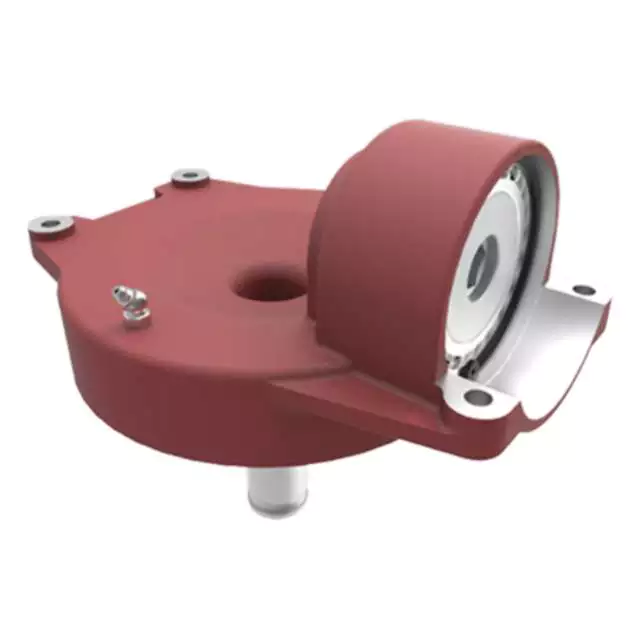
Impact of Gear Ratios on Machinery Performance in Agricultural Gearboxes
The gear ratio in agricultural gearboxes plays a crucial role in determining the performance of machinery. It directly affects the relationship between the input and output speeds and torques. Here’s how gear ratios influence machinery performance:
- Speed and Torque Conversion: Gear ratios allow for the conversion of speed and torque between the input and output shafts. Higher gear ratios can reduce output speed while increasing output torque, making it suitable for tasks requiring high power.
- Power and Efficiency: Gear ratios affect the efficiency of power transmission. While reducing the speed through higher gear ratios can increase torque, it’s essential to strike a balance to maintain efficiency. Lower efficiency can lead to energy loss and increased heat generation.
- Task Adaptability: Different agricultural tasks require varying levels of torque and speed. Gear ratios enable machinery to be adaptable to different tasks by providing the necessary torque for heavy-duty activities like plowing or tilling and higher speeds for tasks like transport.
- Optimal Performance: Selecting the appropriate gear ratio ensures that machinery operates within its optimal performance range. It prevents overloading the engine or the gearbox, contributing to smoother operation and reduced wear and tear.
- Productivity and Fuel Efficiency: Proper gear ratios can enhance the overall productivity of agricultural machinery. By optimizing torque and speed, tasks can be completed efficiently, reducing the time and fuel consumption required for operations.
- Consideration of Terrain: Different terrains and field conditions require adjustments in gear ratios. Steep slopes or heavy soil may necessitate lower gear ratios for increased torque, while flat terrain could benefit from higher ratios for faster operation.
- Impact on Components: Gear ratios can influence the load distribution on gearbox components. Higher gear ratios might subject components to increased forces and stresses, potentially affecting their lifespan.
- Operator Comfort: Proper gear ratios contribute to operator comfort by providing the necessary power for smooth operation without straining the machinery. This can lead to reduced operator fatigue and improved safety.
- Personalización: Some modern agricultural equipment offers adjustable or variable gear ratios, allowing operators to fine-tune machinery performance based on specific tasks and conditions.
Choosing the right gear ratio for agricultural gearboxes involves considering factors such as the intended task, soil conditions, and equipment specifications. It’s essential to strike a balance between torque and speed to achieve optimal machinery performance and maximize productivity.
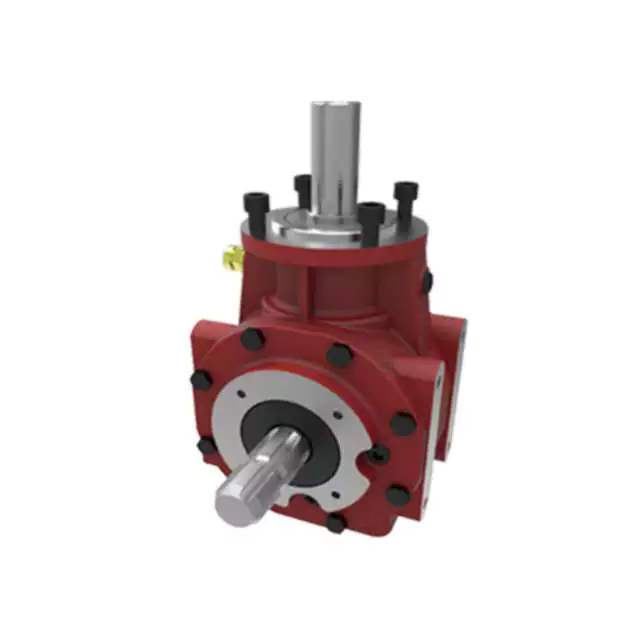
Precauciones de seguridad específicas para el funcionamiento de las cajas de cambios agrícolas
El manejo de maquinaria agrícola con reductores requiere una atención meticulosa a la seguridad para prevenir accidentes y garantizar el bienestar de los operadores y las personas que se encuentren cerca. A continuación, se presentan algunas precauciones de seguridad específicas relacionadas con el funcionamiento de la maquinaria agrícola con reductores:
- Lea el manual: Familiarícese con el manual del fabricante de la caja de cambios y la maquinaria específicas. Contiene información valiosa sobre el funcionamiento, el mantenimiento y las normas de seguridad.
- Formación adecuada: Asegúrese de que los operarios estén capacitados en el manejo seguro de la maquinaria, incluyendo cómo acoplar y desacoplar la caja de cambios, ajustar las velocidades y actuar en caso de emergencia.
- Equipo de protección: Los operarios deben usar el equipo de protección adecuado, como cascos, guantes, gafas de seguridad y calzado resistente, para reducir el riesgo de lesiones por escombros, piezas móviles u otros peligros.
- Espacio de trabajo despejado: Antes de poner en marcha la maquinaria, retire obstáculos, escombros y personas de la zona. Asegúrese de mantener una distancia de seguridad entre la maquinaria y las personas.
- Archivos adjuntos seguros: Si la caja de engranajes se utiliza junto con accesorios, asegúrese de que estén correctamente sujetos y montados de acuerdo con las instrucciones del fabricante para evitar que se desprendan durante el funcionamiento.
- Participa de forma segura: Accione la caja de cambios y ponga en marcha la maquinaria únicamente después de asegurarse de que todo el personal se encuentra a una distancia segura y de que la maquinaria está sobre terreno estable.
- Evite la ropa holgada: Los operarios deben evitar usar ropa suelta o accesorios que puedan engancharse en las piezas móviles.
- Paradas de emergencia: Familiarícese con la ubicación de los botones e interruptores de parada de emergencia en la maquinaria y esté preparado para utilizarlos si fuera necesario.
- Mantenimiento regular: Realice revisiones de mantenimiento rutinarias en la caja de engranajes y la maquinaria para garantizar que todos los componentes funcionen correctamente. Reemplace las piezas desgastadas y lubrique los componentes según las recomendaciones del fabricante.
- Apagado correcto: Al finalizar una tarea, desconecte la caja de cambios, apague la maquinaria y active los seguros correspondientes para evitar arranques accidentales.
Seguir estas precauciones de seguridad puede reducir considerablemente el riesgo de accidentes y lesiones al operar maquinaria agrícola con reductora. Priorice siempre la seguridad para crear un entorno de trabajo seguro para todos los involucrados.
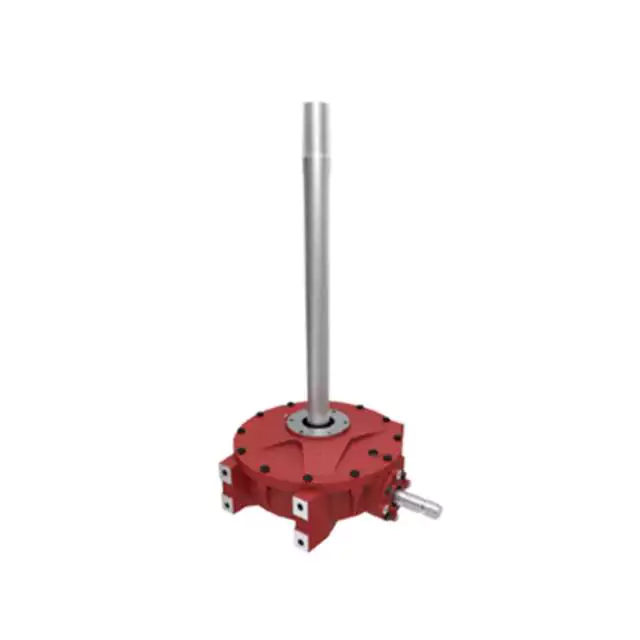
Types of Agricultural Gearboxes for Specific Tasks
Various types of agricultural gearboxes are designed to cater to specific tasks and applications in farming. These gearboxes are engineered to meet the unique requirements of different agricultural machinery and operations. Some common types of agricultural gearboxes include:
- Rotary Mower Gearboxes: These gearboxes are used in rotary mowers and cutters. They transmit power from the tractor’s power take-off (PTO) to the blades, enabling efficient cutting of grass, crops, and vegetation.
- Manure Spreader Gearboxes: Manure spreaders utilize specialized gearboxes to distribute manure evenly across fields. These gearboxes ensure consistent spreading of fertilizer while accommodating variable loads.
- Harvesting Gearboxes: Gearboxes used in harvesting equipment, such as combines and harvesters, enable efficient gathering, threshing, and separating of crops from their stalks. These gearboxes handle high loads and varying operating conditions.
- Seed Drill Gearboxes: Seed drills require gearboxes to distribute seeds accurately and at consistent intervals. These gearboxes ensure precise seed placement for optimal germination and crop growth.
- Hay Rake Gearboxes: Hay rakes utilize gearboxes to gather and arrange hay into windrows for baling. These gearboxes help optimize the hay collection process.
- Irrigation System Gearboxes: Agricultural irrigation systems may use gearboxes to control the movement and positioning of irrigation equipment, ensuring efficient water distribution across fields.
- Tillage Equipment Gearboxes: Gearboxes used in tillage equipment, such as plows and cultivators, help break up soil, prepare seedbeds, and promote seedling emergence.
- Tractor Gearboxes: Tractors may incorporate various gearboxes for tasks such as shifting gears, driving the power take-off, and operating attachments.
- Grain Auger Gearboxes: Grain augers use gearboxes to facilitate the movement of harvested grain from one location to another, such as from a combine to a storage bin.
Each type of agricultural gearbox is designed with specific features, load capacities, and durability to suit the demands of its intended task. Manufacturers engineer these gearboxes to withstand the challenging conditions of agricultural operations while ensuring efficient and reliable performance.


editor by CX 2024-03-29