
Description du produit
RW-500 Agricultural Machinery Post Hole Digger Gearbox
| USE FOR | POST HOLE DIGGER |
| PART NUMBER | RW-500 |
| RATIO | 3.18:1 |
| INPUT SHAFT | 1-1/4 SMOOTH 1-3/8 6 SPLINE |
| POWER | 57HP |
| INPUT RATE | 540RPM |
Photos détaillées
Profil de l'entreprise
HangZhou Rongwang Industry and Trade Co., Ltd. was established in 2007. The company develops and produces gearboxes, transmission shafts, and related accessories for various types of lawn mowers, rotary tillers, excavators, and other agricultural machinery. The products are sold to various countries in Europe and America. The company currently has processing and testing equipment such as machining centers, CNC machine tools, and coordinate measuring instruments, and has a strong research and development team, as well as complete after-sales support services.
The company is committed to meeting and surpassing customer needs with a rigorous work style, providing high-performance and high-quality products. We warmly welcome domestic and foreign enterprises to come and discuss cooperation. The company is willing to take on a new look and constantly innovate. Sincere and enthusiastic service, as always, close communication and cooperation with colleagues at home and abroad, working hand in hand to create brilliance.
Application
Corporate Purpose
The company always adheres to the business philosophy of “integrity, excellence, innovation, and progress” , striving for survival with quality and development with technology.The employees of Rongwang Industry and Trade have many years of experience in mechanical processing and manufacturing, while also absorbing advanced technology and processes from both domestic and foreign countries.And has passed ISO9001 quality system certification certification.
Rongwang Enterprise Purpose: To create excellent enterprises with excellent products, discounted prices, and excellent services.
Vision:Power the industry, Transmit the world.Rongwang Machinery aims to be the leader in the power transmission industry.Mission: To provide trustworthy and affordable products for our customers.”Trustworthy”means high quality and safe products.We are trying to offer lower cost products without sacrificing quality.
/* 22 janvier 2571 19:08:37 */!function(){function s(e,r){var a,o={};try{e&&e.split(“,”).forEach(function(e,t){e&&(a=e.match(/(.*?):(.*)$/))&&1
| Application: | Machines agricoles |
|---|---|
| Fonction: | Change Drive Torque, Change Drive Direction, Speed Changing, Speed Reduction, Speed Increase |
| Mise en page: | Vertical Layout |
| Dureté: | Surface dentaire durcie |
| Installation: | Type vertical |
| Étape: | Custom-Made |
| Exemples : |
US$ 100/Pièce
1 pièce (commande minimale) | |
|---|
| Personnalisation : |
Disponible
| Demande personnalisée |
|---|
Technological Advancements in Agricultural Gearbox Design
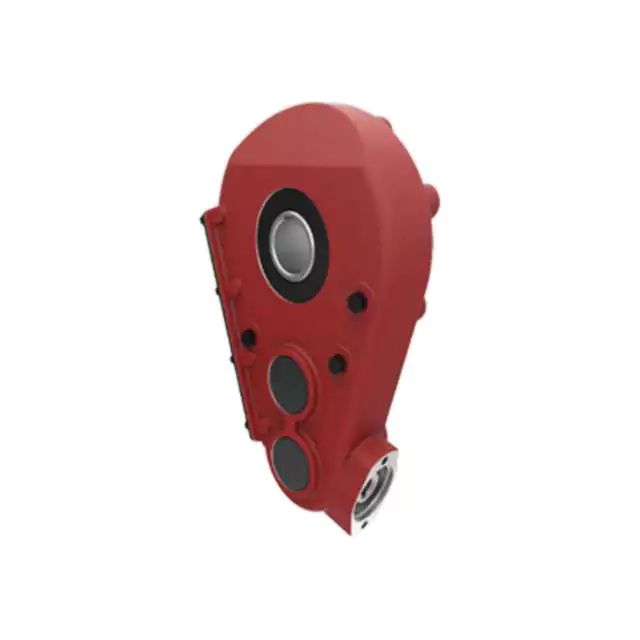
Advancements in agricultural gearbox design have significantly improved the efficiency, durability, and performance of farming equipment. Here are some notable technological advancements:
- Materials and Manufacturing: The use of advanced materials, such as high-strength alloys and composite materials, has enhanced the durability and longevity of gearbox components. Precision manufacturing techniques, including computer-aided design (CAD) and computer numerical control (CNC) machining, ensure tight tolerances and reliable performance.
- Gear Tooth Design: Modern gear tooth profiles, such as optimized helical and spiral bevel gears, reduce noise, vibration, and wear. Advanced tooth design also improves power transmission efficiency and load distribution.
- Sealing and Lubrication: Improved sealing technologies, such as double-lip seals and labyrinth seals, help prevent contaminants from entering gearboxes while retaining lubricants. Advanced lubrication systems, including automatic lubrication and improved oil formulations, extend maintenance intervals and enhance efficiency.
- Electronic Controls: Agricultural gearboxes increasingly integrate with electronic control systems. Sensors and actuators provide real-time data on gearbox performance, allowing for condition monitoring, predictive maintenance, and adjustments to optimize machinery operation.
- Smart Gearboxes: Some agricultural gearboxes are equipped with smart features, such as load sensors, temperature monitors, and feedback systems. These features enhance precision, safety, and overall equipment performance.
- Hybrid Power Transmission: Integration of hybrid power transmission systems, combining internal combustion engines with electric motors, allows for more efficient power delivery and reduced fuel consumption. Gearboxes play a crucial role in managing power distribution in these systems.
- Reduced Environmental Impact: Advancements in gear design contribute to reducing environmental impact. Quieter and more efficient gearboxes minimize noise pollution and energy consumption while meeting emissions regulations.
- Customization and Modularity: Some modern agricultural gearboxes offer modular designs that allow farmers to customize gear ratios, output speeds, and other specifications to match specific tasks and conditions.
- Simulation and Testing: Computer simulations and advanced testing methods, such as finite element analysis (FEA) and computational fluid dynamics (CFD), help optimize gearbox design, reduce prototyping costs, and ensure reliability before production.
These advancements collectively contribute to the evolution of agricultural gearboxes, making farming machinery more efficient, environmentally friendly, and adaptable to the changing needs of modern agriculture.
Handling Varying Torque Demands with Agricultural Gearboxes
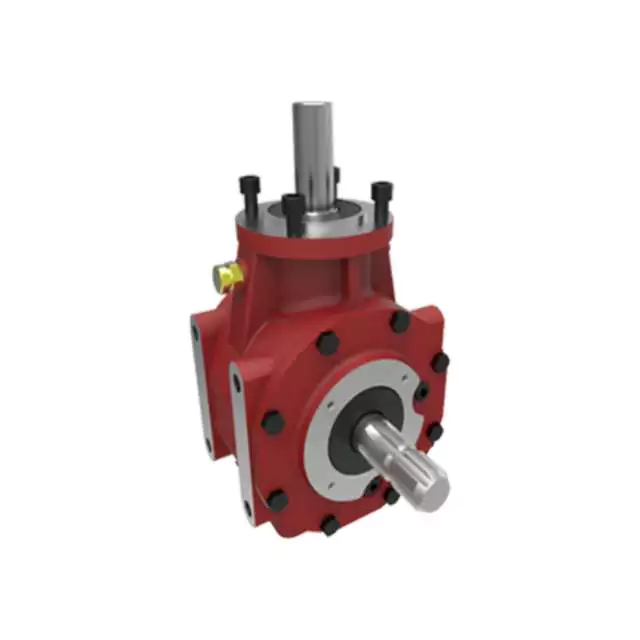
Agricultural gearboxes are designed to handle the varying torque demands associated with different tasks in farming operations. The torque requirements can vary based on factors such as the type of task, the soil conditions, the terrain, and the machinery’s speed. Agricultural gearboxes are equipped with features that allow them to adapt to these varying torque demands:
- Gear Ratio Selection: Agricultural gearboxes often come with multiple gear ratios, allowing operators to select the appropriate ratio for the task at hand. Lower gear ratios provide higher torque for tasks that require more force, such as plowing or tilling, while higher gear ratios offer higher speeds for tasks like mowing or transporting.
- Torque Multiplier: Some agricultural gearboxes are designed with torque multipliers that enhance the torque output from the engine to the wheels or implement. These multipliers are engaged when higher torque is needed, helping the machinery handle heavy loads or challenging terrain.
- Adjustable Speeds: Many agricultural gearboxes allow operators to adjust the speed of the machinery to match the torque requirements of the task. This flexibility is essential for tasks that involve both high-torque, low-speed operations and high-speed operations with lower torque needs.
- Power Take-Off (PTO) Options: Agricultural gearboxes often feature power take-off mechanisms that enable the transfer of power from the engine to attached implements. These mechanisms can be designed to provide varying torque outputs to suit different implements, such as rotary tillers, balers, or pumps.
The ability of agricultural gearboxes to handle varying torque demands is crucial for ensuring efficient and effective farming operations. By offering adjustable gear ratios, torque multipliers, and adaptable speeds, these gearboxes empower farmers to optimize their machinery’s performance based on the specific requirements of each task.
Exigences d'entretien des boîtes de vitesses agricoles
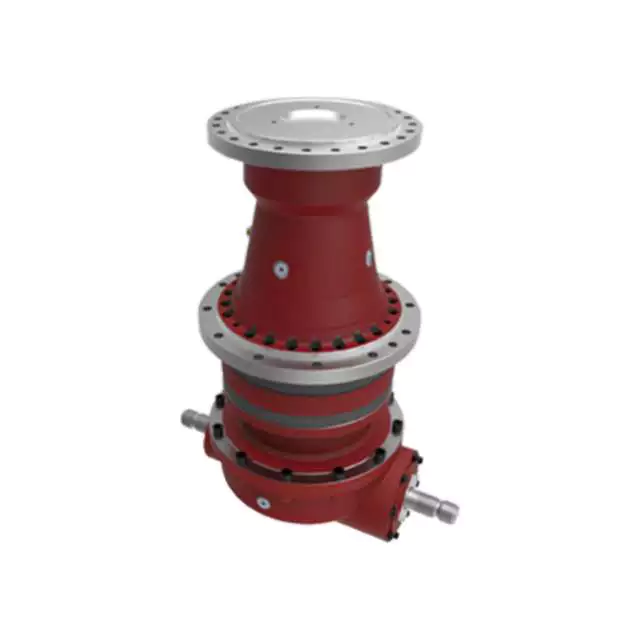
L'entretien des boîtes de vitesses agricoles est essentiel au bon fonctionnement du matériel agricole. Un entretien régulier permet d'allonger leur durée de vie et d'éviter les pannes coûteuses. Voici les principales exigences d'entretien :
- Inspections régulières : Effectuez des inspections visuelles régulières pour détecter tout signe d'usure, de dommage, de fuite ou de désalignement. Inspectez régulièrement les dents d'engrenage, les joints et les roulements afin de déceler tout problème.
- Lubrification: Une lubrification adéquate est essentielle pour minimiser les frottements et l'usure des boîtes de vitesses. Respectez les recommandations du fabricant concernant le type de lubrifiant à utiliser et les intervalles de lubrification préconisés.
- Contrôles du lubrifiant : Contrôlez régulièrement le niveau et la qualité du lubrifiant de la boîte de vitesses. Remplacez ou complétez le lubrifiant au besoin et veillez à ce qu'aucun contaminant ne pénètre dans le système de lubrification.
- Serrage des boulons et des fixations : Vérifiez et resserrez les boulons, écrous et fixations pour éviter leur desserrage dû aux vibrations en fonctionnement. Des composants desserrés peuvent entraîner un désalignement et une usure prématurée.
- Inspection des scellés : Vérifiez l'étanchéité des joints et leur bon fonctionnement. Remplacez rapidement les joints endommagés ou usés afin d'éviter les fuites de lubrifiant et la pénétration de contaminants.
- Nettoyage: Maintenez les boîtes de vitesses propres en éliminant la saleté, les débris et les résidus. Un nettoyage régulier empêche les particules abrasives de pénétrer dans la boîte de vitesses et de l'endommager.
- Alignement: Assurez-vous que les réducteurs sont correctement alignés avec les composants qui y sont rattachés, tels que les arbres et les accouplements. Un mauvais alignement peut entraîner une usure accrue et une réduction du rendement.
- Surveillance de la température : Surveillez la température de fonctionnement de la boîte de vitesses. Une hausse anormale de la température peut indiquer des problèmes tels qu'une surcharge ou une lubrification insuffisante.
- Remplacement du filtre : Si la boîte de vitesses est équipée d'un système de filtration, remplacez ou nettoyez régulièrement les filtres afin d'empêcher les contaminants de pénétrer dans la boîte de vitesses.
- Inspection par des experts : Faites inspecter périodiquement vos boîtes de vitesses par des techniciens qualifiés. Ils pourront identifier d'éventuels problèmes qui ne seraient pas visibles lors des inspections de routine.
Le respect de ces exigences d'entretien garantit le fonctionnement optimal des boîtes de vitesses agricoles et contribue à la fiabilité et à l'efficacité du matériel agricole. Un entretien régulier permet non seulement d'éviter les arrêts imprévus, mais aussi de prolonger la durée de vie des boîtes de vitesses, améliorant ainsi la productivité des exploitations agricoles.


editor by CX 2024-03-29