
Produktbeschreibung
RW-500 Agricultural Machinery Post Hole Digger Gearbox
| USE FOR | POST HOLE DIGGER |
| PART NUMBER | RW-500 |
| RATIO | 3.18:1 |
| INPUT SHAFT | 1-1/4 SMOOTH 1-3/8 6 SPLINE |
| POWER | 57HP |
| INPUT RATE | 540RPM |
Detaillierte Fotos
Unternehmensprofil
HangZhou Rongwang Industry and Trade Co., Ltd. was established in 2007. The company develops and produces gearboxes, transmission shafts, and related accessories for various types of lawn mowers, rotary tillers, excavators, and other agricultural machinery. The products are sold to various countries in Europe and America. The company currently has processing and testing equipment such as machining centers, CNC machine tools, and coordinate measuring instruments, and has a strong research and development team, as well as complete after-sales support services.
The company is committed to meeting and surpassing customer needs with a rigorous work style, providing high-performance and high-quality products. We warmly welcome domestic and foreign enterprises to come and discuss cooperation. The company is willing to take on a new look and constantly innovate. Sincere and enthusiastic service, as always, close communication and cooperation with colleagues at home and abroad, working hand in hand to create brilliance.
Anwendung
Corporate Purpose
The company always adheres to the business philosophy of “integrity, excellence, innovation, and progress” , striving for survival with quality and development with technology.The employees of Rongwang Industry and Trade have many years of experience in mechanical processing and manufacturing, while also absorbing advanced technology and processes from both domestic and foreign countries.And has passed ISO9001 quality system certification certification.
Rongwang Enterprise Purpose: To create excellent enterprises with excellent products, discounted prices, and excellent services.
Vision:Power the industry, Transmit the world.Rongwang Machinery aims to be the leader in the power transmission industry.Mission: To provide trustworthy and affordable products for our customers.”Trustworthy”means high quality and safe products.We are trying to offer lower cost products without sacrificing quality.
/* 22. Januar 2571 19:08:37 */!function(){function s(e,r){var a,o={};try{e&&e.split(“,”).forEach(function(e,t){e&&(a=e.match(/(.*?):(.*)$/))&&1
| Anwendung: | Landwirtschaftliche Maschinen |
|---|---|
| Funktion: | Change Drive Torque, Change Drive Direction, Speed Changing, Speed Reduction, Speed Increase |
| Layout: | Vertical Layout |
| Härte: | Gehärtete Zahnoberfläche |
| Installation: | Vertikaler Typ |
| Schritt: | Custom-Made |
| Proben: |
US$ 100/Piece
1 Stück (Mindestbestellmenge) | |
|---|
| Anpassung: |
Verfügbar
| Kundenspezifische Anfrage |
|---|
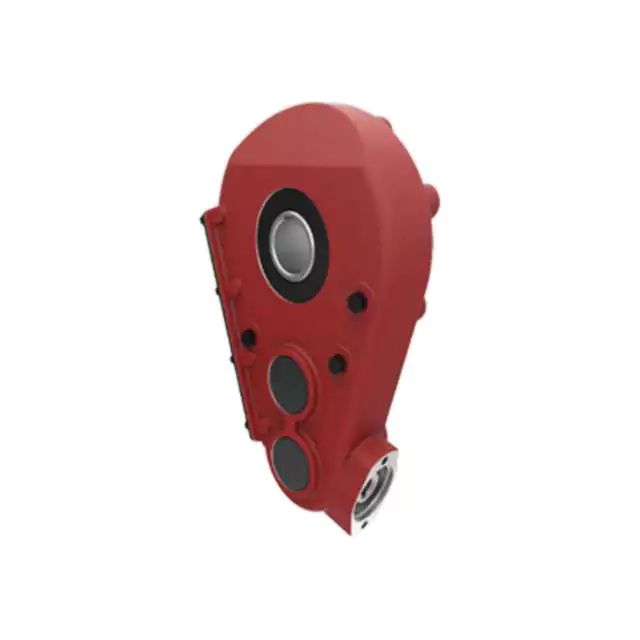
Technologische Fortschritte im Bereich der Getriebekonstruktion für die Landwirtschaft
Fortschritte im Bereich der Getriebekonstruktion für Landwirtschaftsmaschinen haben deren Effizienz, Langlebigkeit und Leistung deutlich verbessert. Hier einige bemerkenswerte technologische Entwicklungen:
- Materialien und Fertigung: Der Einsatz fortschrittlicher Werkstoffe wie hochfester Legierungen und Verbundwerkstoffe hat die Haltbarkeit und Lebensdauer von Getriebekomponenten verbessert. Präzisionsfertigungstechniken, darunter computergestütztes Design (CAD) und computergesteuerte numerische Steuerung (CNC), gewährleisten enge Toleranzen und zuverlässige Funktion.
- Zahnradgeometrie: Moderne Zahnprofile, wie optimierte Schräg- und Spiralverzahnungen, reduzieren Geräusche, Vibrationen und Verschleiß. Fortschrittliche Zahngeometrien verbessern zudem die Kraftübertragungseffizienz und die Lastverteilung.
- Abdichtung und Schmierung: Verbesserte Dichtungstechnologien wie Doppellippen- und Labyrinthdichtungen verhindern das Eindringen von Verunreinigungen in Getriebe und halten gleichzeitig die Schmierstoffe im Getriebe. Moderne Schmiersysteme, darunter automatische Schmierung und optimierte Ölformulierungen, verlängern die Wartungsintervalle und steigern die Effizienz.
- Elektronische Steuerungen: Landwirtschaftliche Getriebe werden zunehmend mit elektronischen Steuerungssystemen integriert. Sensoren und Aktoren liefern Echtzeitdaten zur Getriebeleistung und ermöglichen so Zustandsüberwachung, vorausschauende Wartung und Anpassungen zur Optimierung des Maschinenbetriebs.
- Intelligente Getriebe: Einige landwirtschaftliche Getriebe sind mit intelligenten Funktionen wie Lastsensoren, Temperaturüberwachungssystemen und Rückmeldesystemen ausgestattet. Diese Funktionen verbessern Präzision, Sicherheit und die Gesamtleistung der Geräte.
- Hybridantrieb: Die Integration hybrider Antriebssysteme, die Verbrennungsmotoren mit Elektromotoren kombinieren, ermöglicht eine effizientere Kraftübertragung und einen reduzierten Kraftstoffverbrauch. Getriebe spielen dabei eine entscheidende Rolle für die Kraftverteilung in diesen Systemen.
- Verringerte Umweltbelastung: Fortschritte im Getriebedesign tragen zur Reduzierung der Umweltbelastung bei. Leisere und effizientere Getriebe minimieren Lärmbelästigung und Energieverbrauch und erfüllen gleichzeitig die Emissionsvorschriften.
- Anpassung und Modularität: Einige moderne Landwirtschaftsgetriebe bieten modulare Bauweisen, die es Landwirten ermöglichen, Übersetzungsverhältnisse, Ausgangsdrehzahlen und andere Spezifikationen an spezifische Aufgaben und Bedingungen anzupassen.
- Simulation und Tests: Computersimulationen und fortschrittliche Testmethoden, wie die Finite-Elemente-Analyse (FEA) und die numerische Strömungsmechanik (CFD), helfen dabei, die Getriebekonstruktion zu optimieren, die Prototypenkosten zu senken und die Zuverlässigkeit vor der Serienproduktion sicherzustellen.
Diese Fortschritte tragen gemeinsam zur Weiterentwicklung von Getrieben in der Landwirtschaft bei und machen Landmaschinen effizienter, umweltfreundlicher und besser an die sich ändernden Bedürfnisse der modernen Landwirtschaft anpassbar.
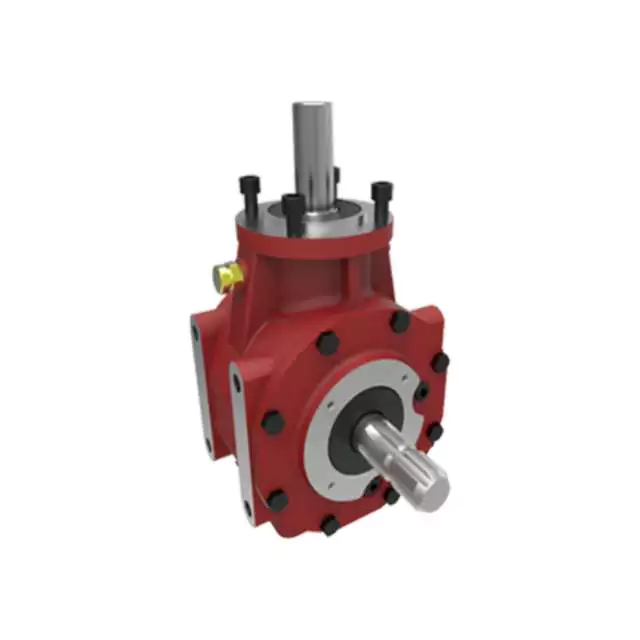
Handling Varying Torque Demands with Agricultural Gearboxes
Agricultural gearboxes are designed to handle the varying torque demands associated with different tasks in farming operations. The torque requirements can vary based on factors such as the type of task, the soil conditions, the terrain, and the machinery’s speed. Agricultural gearboxes are equipped with features that allow them to adapt to these varying torque demands:
- Gear Ratio Selection: Agricultural gearboxes often come with multiple gear ratios, allowing operators to select the appropriate ratio for the task at hand. Lower gear ratios provide higher torque for tasks that require more force, such as plowing or tilling, while higher gear ratios offer higher speeds for tasks like mowing or transporting.
- Torque Multiplier: Some agricultural gearboxes are designed with torque multipliers that enhance the torque output from the engine to the wheels or implement. These multipliers are engaged when higher torque is needed, helping the machinery handle heavy loads or challenging terrain.
- Adjustable Speeds: Many agricultural gearboxes allow operators to adjust the speed of the machinery to match the torque requirements of the task. This flexibility is essential for tasks that involve both high-torque, low-speed operations and high-speed operations with lower torque needs.
- Power Take-Off (PTO) Options: Agricultural gearboxes often feature power take-off mechanisms that enable the transfer of power from the engine to attached implements. These mechanisms can be designed to provide varying torque outputs to suit different implements, such as rotary tillers, balers, or pumps.
The ability of agricultural gearboxes to handle varying torque demands is crucial for ensuring efficient and effective farming operations. By offering adjustable gear ratios, torque multipliers, and adaptable speeds, these gearboxes empower farmers to optimize their machinery’s performance based on the specific requirements of each task.
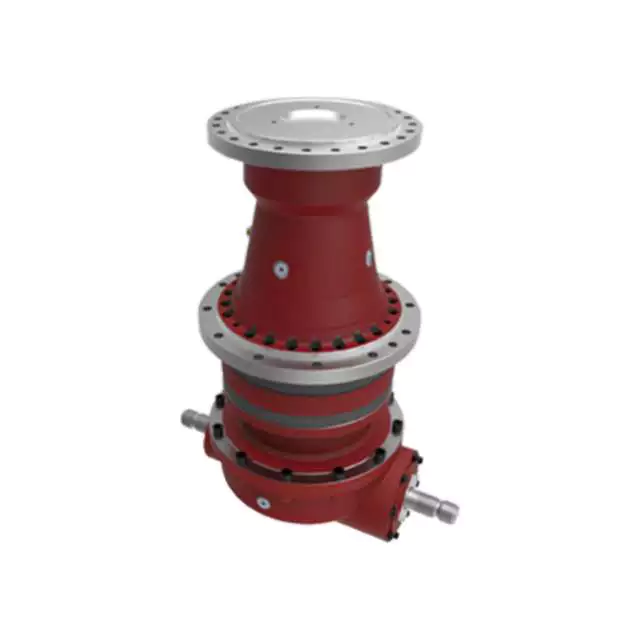
Maintenance Requirements for Agricultural Gearboxes
Maintaining agricultural gearboxes is crucial to ensure the smooth and efficient operation of farming equipment. Proper maintenance helps extend the lifespan of gearboxes and prevents costly breakdowns. Here are the key maintenance requirements:
- Regular Inspections: Conduct routine visual inspections to check for signs of wear, damage, leaks, or misalignment. Regularly inspect gear teeth, seals, and bearings for any issues.
- Schmierung: Proper lubrication is essential to minimize friction and wear in gearboxes. Follow the manufacturer’s guidelines for the type of lubricant to use and the recommended intervals for lubrication.
- Lubricant Checks: Monitor the gearbox’s lubricant levels and quality regularly. Replace or replenish lubricants as needed, and ensure that contaminants are kept out of the lubrication system.
- Tightening Bolts and Fasteners: Check and tighten bolts, nuts, and fasteners to prevent loosening due to vibrations during operation. Loose components can lead to misalignment and premature wear.
- Seal Inspection: Examine seals for leaks and proper sealing. Damaged or worn seals should be replaced promptly to prevent lubricant leakage and the ingress of contaminants.
- Reinigung: Keep gearboxes clean by removing dirt, debris, and residue. Regular cleaning prevents abrasive particles from entering the gearbox and causing damage.
- Alignment: Ensure that gearboxes are properly aligned with connected components, such as shafts and couplings. Misalignment can lead to increased wear and reduced efficiency.
- Temperature Monitoring: Monitor the operating temperature of the gearbox. Abnormal temperature increases may indicate issues like overloading or insufficient lubrication.
- Filter Replacement: If the gearbox has a filtration system, regularly replace or clean the filters to prevent contaminants from entering the gearbox.
- Expert Inspection: Periodically have gearboxes inspected by qualified technicians. They can identify potential problems that may not be visible during routine inspections.
Adhering to these maintenance requirements ensures that agricultural gearboxes remain in optimal condition and contribute to the reliability and efficiency of farming equipment. Regular maintenance not only prevents unexpected downtime but also prolongs the service life of the gearboxes, ultimately benefiting the productivity of agricultural operations.


editor by CX 2024-03-29