
Mô tả sản phẩm
AT industry is 1 supplier with more than 13 years experience on forging parts,Brass Parts,Auto Parts,Machining Parts
Thông số kỹ thuật
customized machine part whole seller
1.13 years’ experience;
2. sharp delivery
3.superior quality
aluminum 6061-t6 cnc milling machine part whole seller
1. All parts produced according to your CAD and 3D drawings or sample. Please send the drawings firstly, we will offer our quotation to you
within 2 days.
2. we specialized in manufacturing CNC machining products according to customers drawings or samples
3. Advanced equipment, excellent R&D teams and strict quality control system
4.These kinds of parts were made by high precision CNC machines. All the dimension were made as per customer requests .
5.cnc aluminum/thread cutting machining parts was 100% inspected before shipment.
6. The price will be FOB or CIF dollars. minium quantity was acceptable.
7. products showed here only present the capability of our business activities
We are dedicated to :
1.designing and manufacture of your unique metal products;
2.Turning your drawing to be a nice unique products;
3.Turning your idea to be a real nice products;
4.using The most advanced test equipments to ensure the quality ;
5.cnc aluminum/thread cutting machining parts that meet their needs.
Reject rate≤ 0.5%, Rework rate≤ 0.5%, On time delivery rate>95%
| Vật liệu | Steel, Zinc, Alunumin, Brass.Stainless steel. |
| Surface treatment | Nickel plating. Zinc plating, Chrome plating, Oxidation. Anodization |
| Sức chịu đựng | +/-0.01mm or +/- 0.0004″ |
| Thread Standard | NPT,BSP(G),M, GHT,UN,NPSM,BSPT(Tr),NPTF… |
| Quality control | 100% inspection on critical dimensions |
| Inspection equipment | Three axis meansuring machine for X.Y.Z. Projection meter. |
| Production output | 100000.000 pieces/ month |
| Productin range | Part ID from 2-500mm with tolerance +/-0.01mm |
| Experience | 13 years of professional OEM service |
| Supply chain process | PPAP |
| Ability | To develop hundreds of new parts annually. |
| Bao bì | Standard export carton with palletized |
| Lead time | 35 days regularly |
| Term of Payment | T/T. L/C or Customer’s request |
VỀ CHÚNG TÔI:
A&T Industry is a contract manufacture and exporter of quality sand castings,
investment castings, lost foam castings, hot forgings, cold forgings, stampings,
machined parts, injectionmolded plastics parts, etc.
We are a dedicated team of customer focused industry professionals with
extensive experience in manufacturing, materials engineering,
quality assurance, logistics management and inventory control.
We utilize our experience and sources advantage to provide our customers
with cost effective and value based solutions to meet their engineering and
design needs while exceeding their quality and procurement requirements.
A&T Industry is located in HangZhou, a major seaport, Olympic Host City and
industrial center of China.
Đảm bảo,
Sản phẩm đạt tiêu chuẩn chất lượng 100%.
Chúng tôi đảm bảo sản phẩm của chúng tôi đáp ứng các thông số kỹ thuật mà bạn cung cấp.
Giá cả cực kỳ cạnh tranh
Giao hàng tận cảng hoặc tận cửa nhà bạn.
Thời gian chuẩn bị từ 4 đến 8 tuần
Chúng tôi lo liệu mọi thủ tục giấy tờ.
Đơn hàng container lẻ
Các tùy chọn thanh toán linh hoạt
Các tùy chọn công cụ độc đáo
Đầy đủ các lựa chọn đóng gói, từ số lượng lớn đến đóng gói bán lẻ.
Cung cấp đầy đủ các dịch vụ kiểm tra.
Câu hỏi thường gặp
1. Bạn đang ở đâu?
Chúng tôi đặt trụ sở tại thành phố Hàng Châu, Trung Quốc và rất gần sân bay. Từ sân bay Lưu Đình đến công ty chúng tôi mất khoảng 30 phút lái xe.
2. Công ty đã được thành lập bao lâu rồi?
Công ty AT INDUSTRY được thành lập năm 2009. Công ty có 6 năm kinh nghiệm xuất khẩu.
3. Công ty bạn có bao nhiêu nhân viên?
Quản trị/Bán hàng 4
Kỹ thuật/thiết kế là đối tác của chúng tôi 8
Sản xuất với tư cách là đối tác của chúng tôi 120
Đảm bảo chất lượng / kiểm tra 10
4. Bạn xuất khẩu sang những quốc gia nào?
Mỹ, Đức, Pháp, Ý, Anh, Brazil, Trung Đông, Thái Lan.
5. Tỷ lệ hàng hóa xuất khẩu của công ty bạn là bao nhiêu?
Sản phẩm 100% của chúng tôi được xuất khẩu đi khắp thế giới.
6. Mất bao lâu để nhận được mẫu?
a) Thời gian giao hàng: 30-45 ngày sau khi đặt hàng
b) Mẫu: 30 ngày sau khi hoàn thành thiết kế.
c) Thời gian sản xuất là khoảng thời gian sản xuất chung và không bao gồm thời gian vận chuyển.
7. Quy trình phát triển sản phẩm mới
Đã nhận đơn đặt hàng khuôn và đơn đặt hàng mẫu với khoản đặt cọc 50% — Tổ chức cuộc họp với bộ phận quan hệ khách hàng để đảm bảo tiến độ phát triển — Thiết kế mẫu, đồ gá và dụng cụ đo, sau đó sản xuất tại xưởng — Mua thép làm khuôn — Gia công — Kiểm tra — Gửi mẫu kèm báo cáo kiểm tra ban đầu.
8. Thời gian sản xuất là bao lâu?
Sản xuất hàng loạt: 90 ngày sau khi mẫu được quý khách phê duyệt.
Thời gian sản xuất là khoảng thời gian tổng thể bao gồm cả thời gian vận chuyển.
Chúng tôi có thể thực hiện một số phương án sản xuất đặc biệt hiệu quả nếu khách hàng có nhu cầu gấp.
9. Chúng ta có thể mua hàng hóa dựa trên cơ sở nào?
Chúng tôi thường cung cấp cho khách hàng giá FOB và CIF (Giá đã bao gồm cước vận chuyển, bảo hiểm và phí vận tải). Giá CIF bao gồm chi phí vận chuyển đến cảng biển do quý khách chỉ định.
Chúng tôi cung cấp dịch vụ thông quan hàng hóa cần được xử lý bởi một công ty giao nhận vận tải địa phương.
Tất cả chi phí và thuế địa phương do người mua chịu trách nhiệm. Chúng tôi rất sẵn lòng tư vấn về vận chuyển nếu cần.
10. Điều khoản thanh toán là gì?
Điều khoản thanh toán có thể thương lượng và sẽ được cải thiện đối với khách hàng lâu năm.
Trong giai đoạn ban đầu, chúng tôi yêu cầu thanh toán trước 50% phí dụng cụ, số tiền còn lại sẽ được thanh toán khi mẫu được chấp nhận.
Giá cả đơn đặt hàng có thể thương lượng. Chúng tôi ưu tiên nhận tiền đặt cọc 50% và thanh toán phần còn lại bằng T/T trước khi giao hàng. Tuy nhiên, đôi khi thanh toán bằng T/T 30 ngày sau khi giao hàng cũng được chấp nhận.
11. Chúng ta có thể mua bằng loại tiền tệ nào?
Chúng tôi có thể giao dịch bằng USD / Euro / GBP.
12. Mất bao lâu để vận chuyển hàng hóa từ Trung Quốc bằng đường biển?
Thời gian vận chuyển đến các cảng châu Âu mất khoảng 5 tuần cộng thêm 1 tuần làm thủ tục hải quan, vì vậy bạn có thể nhận được container trong vòng 6 đến 7 tuần. Thời gian vận chuyển đến các cảng bờ Đông Hoa Kỳ mất khoảng 2 tuần và đến các cảng bờ Tây mất khoảng 3 tuần. Tất cả hàng hóa vận chuyển bằng đường biển đều được xuất phát từ cảng Hàng Châu.
13. Vận chuyển hàng hóa từ Trung Quốc bằng đường hàng không mất bao lâu?
Thời gian di chuyển đến tất cả các điểm đến chính vào khoảng 7 ngày.
14. Chúng ta có thể đến thăm nhà máy để tiến hành kiểm toán không?
Vâng, quý khách có thể đến thăm nhà máy đối tác của chúng tôi nếu đã có thỏa thuận trước.
15. Chúng tôi bảo mật thông tin khách hàng như thế nào?
Chúng tôi rất vui khi ký kết Thỏa thuận Bảo mật với khách hàng và sẽ tôn trọng các thỏa thuận đó.
16. Chúng tôi giao dịch kinh doanh bằng những ngôn ngữ nào?
Mặc dù chúng tôi giao dịch với nhiều quốc gia trên thế giới, nhưng chúng tôi chỉ có thể giao tiếp hiệu quả bằng tiếng Anh pha lẫn tiếng Trung.
Do đó, tất cả thông tin được cung cấp phải được trình bày theo mẫu này.
17. Có yêu cầu về khối lượng giao dịch tối thiểu để thực hiện mua hàng quốc tế không?
Không có số lượng tối thiểu, nhưng giá cả hàng hóa, cộng với chi phí cố định của việc nhập khẩu, khiến việc mua với số lượng lớn trở nên kinh tế hơn. Tất cả khách hàng tiềm năng sẽ được đánh giá riêng lẻ để xác định xem việc xây dựng mối quan hệ có khả thi cho tất cả các bên hay không.
18. Bạn chuyên về loại linh kiện nào?
Doanh nghiệp của chúng tôi bao gồm 2 lĩnh vực,
Một loại dành cho xây dựng bê tông đúc sẵn, bao gồm hệ thống nâng hạ, phụ kiện giàn giáo và các bộ phận kim loại.
Một lĩnh vực khác là kinh doanh gia công kim loại theo yêu cầu, chuyên sản xuất các sản phẩm chất lượng cao như đúc khuôn cát, đúc khuôn mẫu, đúc khuôn xốp, rèn nóng, rèn nguội, dập khuôn, các chi tiết gia công cơ khí, các chi tiết nhựa ép phun, v.v.
19. Bạn có những loại trang thiết bị nào?
Máy ép ma sát rèn 160 tấn, 300 tấn, 630 tấn, 1200 tấn
Đúc CZPT với khối lượng 200kg, 500kg, 1000kg, 2000kg
Máy ép 63 tấn, 120 tấn
Trung tâm gia công CNC
Máy tiện đứng CNC
Trung tâm tiện CNC
Máy khoan
Máy khoan
What You Should Know About Axle Shafts
There are several things you should know about axle shafts. These include what materials they’re made of, how they’re constructed, and the signs of wear and tear. Read on to learn more about axle shafts and how to properly maintain them. Axle shafts are a crucial part of any vehicle. But how can you tell if 1 is worn out? Here are some tips that can help you determine whether it’s time to replace it.
Materials used for axle shafts
When it comes to materials used in axle shafts, there are 2 common types of materials. One is carbon fiber, which is relatively uncommon for linear applications. Carbon fiber shafting is produced by CZPT(r). The main benefit of carbon fiber shafting is its ultra-low weight. A carbon fiber shaft of 20mm diameter weighs just 0.17kg, as opposed to 2.46kg for a steel shaft of the same size.
The other type of material used in axle shafts is forged steel. This material is strong, but it is difficult to machine. The resulting material has residual stresses, voids, and hard spots that make it unsuitable for some applications. A forged steel shaft will not be able to be refinished to its original dimensions. In such cases, the shaft must be machined down to reduce the material’s hardness.
Alternatively, you can choose to purchase a through-hardened shaft. These types of axle shafts are suitable for light cars and those that use single bearings on their hub. However, the increased diameter of the axle shaft will result in less resistance to shock loads and torsional forces. For these applications, it is best to use medium-carbon alloy steel (MCA), which contains nickel and chromium. In addition, you may also need to jack up your vehicle to replace the axle shaft.
The spline features of the axle shaft must mate with the spline feature on the axle assembly. The spline feature has a slight curve that optimizes contact surface area and distribution of load. The process involves hobbing and rolling, and it requires special tooling to form this profile. However, it is important to note that an axle shaft with a cut spline will have a 30% smaller diameter than the corresponding 1 with an involute profile.
Another common material is the 300M alloy, which is a modified 4340 chromoly. This alloy provides additional strength, but is more prone to cracking. For this reason, this alloy isn’t suited for street-driven vehicles. Axle shafts made from this alloy are magnaflushed to detect cracks before they cause catastrophic failure. This heat treatment is not as effective as the other materials, but it is still a good choice for axle shafts.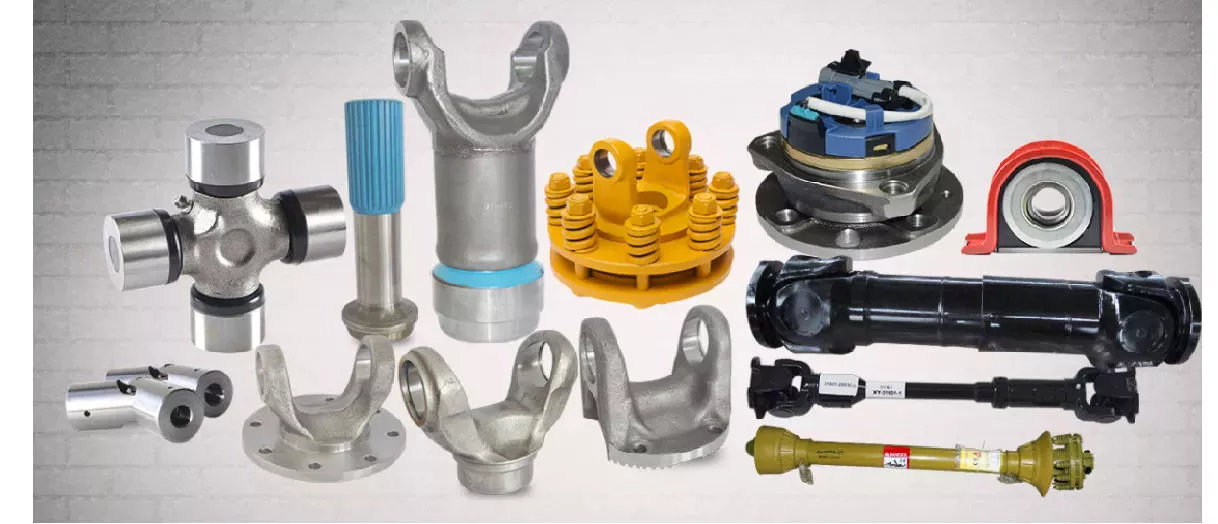
Construction
There are 3 basic types of axle shafts: fully floating, three-quarter floating, and semi-floating. Depending on how the shaft is used, the axles can be either stationary or fully floating. Fully floating axle shafts are most common, but there are exceptions. Axle shafts may also be floating or stationary, or they may be fixed. When they are stationary, they are known as non-floating axles.
Different alloys have different properties. High-carbon steels are harder than low-carbon steels, while medium-carbon steels are less ductile. Medium-carbon steel is often used in axle shafts. Some shafts contain additional metals, including silicon, nickel, and copper, for case hardening. High-carbon steels are preferred over low-carbon steels. Axle shafts with high carbon content often have better heat-treatability than OE ones.
A semi-floating axle shaft has a single bearing between the hub and casing, relieving the main shear stress on the shaft but must still withstand other stresses. A half shaft needs to withstand bending loads from side thrust during cornering while transmitting driving torque. A three-quarter floating axle shaft is typically fitted to commercial vehicles that are more capable of handling higher axle loads and torque. However, it is possible to replace or upgrade the axle shaft with a replacement axle shaft, but this will require jacking the vehicle and removing the studs.
A half-floating axle is an alternative to a fixed-length rear axle. This axle design is ideal for mid-size trucks. It supports the weight of the mid-size truck and may support mid-size trucks with high towing capacities. The axle housing supports the inner end of the axle and also takes up the end thrust from the vehicle’s tires. A three-quarter floating axle, on the other hand, is a complex type that is not as simple as a semi-floating axle.
Axle shafts are heavy-duty load-bearing components that transmit rotational force from the rear differential gearbox to the rear wheels. The half shaft and the axle casing support the road wheel. Below is a diagram of different forces that can occur in the axle assembly depending on operating conditions. The total weight of the vehicle’s rear can exert a bending action on the half shaft, and the overhanging section of the shaft can be subject to a shearing force.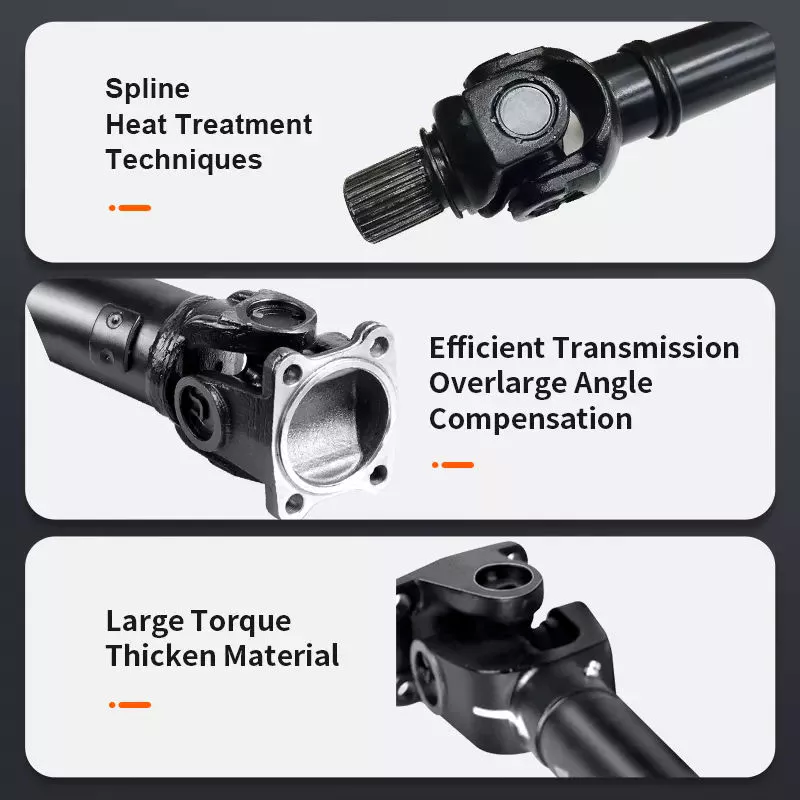
Symptoms of wear out
The constant velocity axle, also called the half shaft, transmits power from the transmission to the wheels, allowing the vehicle to move forward. When it fails, it can result in many problems. Here are 4 common symptoms of a bad CV axle:
Bad vibrations: If you notice any sort of abnormal vibration while driving, this may be a sign of axle damage. Vibrations may accompany a strange noise coming from under the vehicle. You may also notice tire wobble. It is important to repair this problem as it could be harmful to your car’s handling and comfort. A damaged axle is generally accompanied by other problems, including a weak braking response.
A creaking or popping sound: If you hear this noise when turning your vehicle, you probably have a worn out CV axle. When the CV joints lose their balance, the driveshaft is no longer supported by the U-joints. This can cause a lot of vibrations, which can reduce your vehicle’s comfort and safety. Fortunately, there are easy ways to check for worn CV axles.
CV joints: A CV joint is located at each end of the axle shaft. In front-wheel drive vehicles, there are 2 CV joints, 1 on each axle. The outer CV joint connects the axle shaft to the wheel and experiences more movement. In fact, the CV joints are only as good as the boot. The most common symptoms of a failed CV joint include clicking and popping noises while turning or when accelerating.
CV joint: Oftentimes, CV joints wear out half of the axle shaft. While repairing a CV joint is a viable repair, it is more expensive than replacing the axle. In most cases, you should replace the CV joint. Replacement will save you time and money. ACV joints are a vital part of your vehicle’s drivetrain. Even if they are worn, they should be checked if they are loose.
Unresponsive acceleration: The vehicle may be jerky, shuddering, or slipping. This could be caused by a bent axle. The problem may be a loose U-joint or center bearing, and you should have your vehicle inspected immediately by a qualified mechanic. If you notice jerkiness, have a mechanic check the CV joints and other components of the vehicle. If these components are not working properly, the vehicle may be dangerous.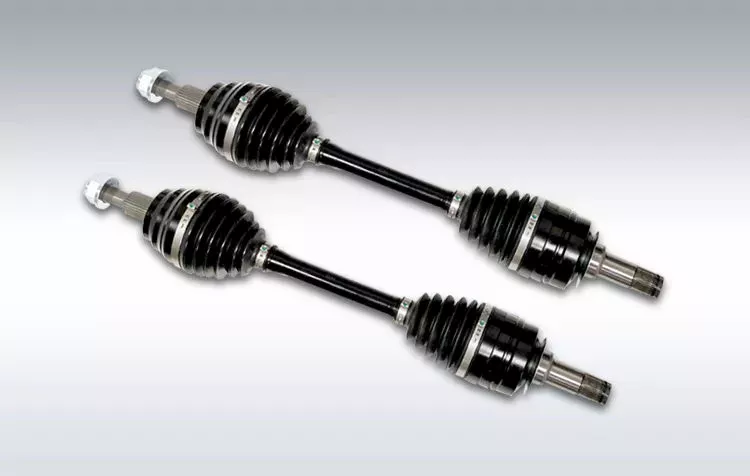
BẢO TRÌ
There are several points of concern regarding the maintenance of axle shafts. It is imperative to check the axle for any damage and to lubricate it. If it is clean, it may be lubricated and is working properly. If not, it will require replacement. The CV boots need to be replaced. A broken axle shaft can result in catastrophic damage to the transmission or even cause an accident. Fortunately, there are several simple ways to maintain the axle shaft.
In addition to oil changes, it is important to check the differential lube level. Some differentials need cleaning or repacking every so often. CZPT Moreno Valley, CA technicians know how to inspect and maintain axles, and they can help you determine if a problem is affecting your vehicle’s performance. Some common signs of axle problems include excessive vibrations, clunking, and a high-pitched howling noise.
If you’ve noticed any of these warning signs, contact your vehicle’s manufacturer. Most manufacturers offer service for their axles. If it’s too rusted or damaged, they’ll replace it for you for free. If you’re in doubt, you can take it to a service center for a repair. They’ll be happy to assist you in any aspect of your vehicle’s maintenance. It’s never too early to begin.
CZPT Moreno Valley, CA technicians are well-versed in the repair of axles and differentials. The CV joint, which connects the car’s transmission to the rear wheels, is responsible for transferring the power from the engine to the wheels. Aside from the CV joint, there are also protective boots on both ends of the axle shaft. The protective boots can tear with age or use. When they tear, they allow grease and debris to escape and get into the joint.
While the CV joint is the most obvious place to replace it, this isn’t a time to ignore this important component. Taking care of the CV joint will protect your car from costly breakdowns at the track. While servicing half shafts can help prevent costly replacement of CV joints, it’s best to do it once a season or halfway through the season. ACV joints are essential for your car’s safety and function.