
The Most Overlooked Safety Component on Every Tractor
PTO shaft entanglement is among the most serious causes of fatal farm accidents worldwide. A rotating driveshaft at 540 or 1000 RPM can catch clothing and pull an operator into the shaft within fractions of a second — far faster than any human reflex. The rotating guard shield exists solely to prevent this contact, yet it is routinely left damaged, cracked, missing sections, or entirely removed by operators who find it inconvenient. A shield that does not fully cover the driveshaft provides no meaningful protection.
This guide explains how to inspect a PTO shaft shield for the specific conditions that require replacement, what a complete shield system consists of, and how to replace one correctly so that it functions as designed rather than simply appearing to be in place.
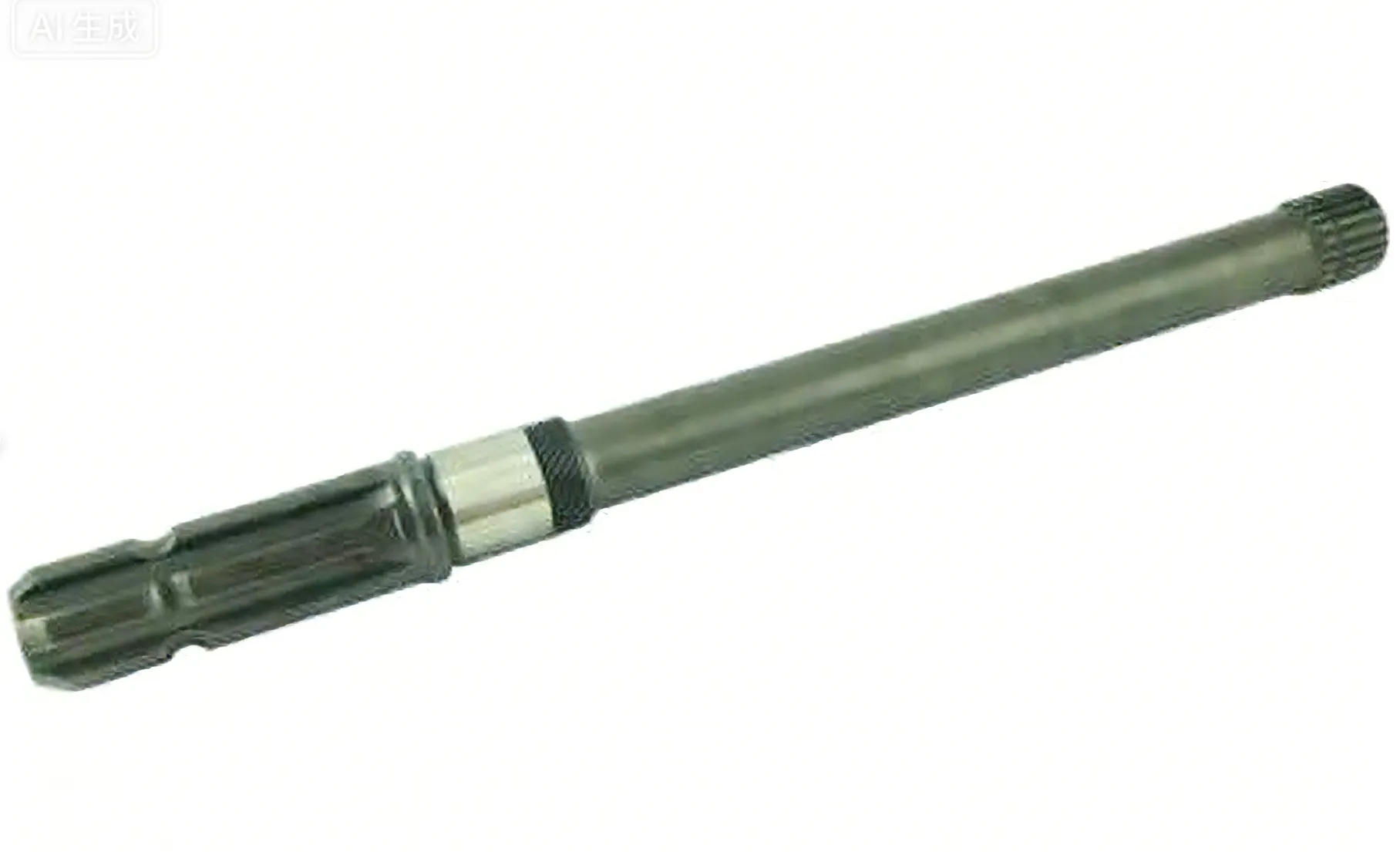
What a Complete PTO Shield System Consists Of
A PTO shaft safety system has more components than most operators realize. Understanding what a full system includes is the first step to identifying what is missing or inadequate on a given implement.
The rotating outer guard
The main shield is a plastic or metal funnel-and-tube assembly that surrounds the entire driveshaft from the tractor yoke to the implement yoke. It must cover the full shaft length at both compressed and extended positions. The shield is designed to remain stationary while the shaft inside rotates — it rides on bearings at each end that allow the shaft to spin freely within the outer guard. If the shield rotates with the shaft, the end bearings are worn and the shield must be replaced, as a rotating guard is nearly as dangerous as no guard at all.
Funnel guards at each end
At each end of the shaft, a bell-shaped funnel guard covers the yoke and the first section of the tractor stub shaft or implement input shaft. These funnels prevent contact with the exposed yoke ears and cross-joint, which are particularly dangerous because their irregular rotating mass creates a grasping effect on any material that contacts them. Funnel guards that are cracked, broken at the mounting ring, or missing entirely must be replaced before operation.
Anchor chain or cord
A short chain or cord connects the shield to a fixed point on the tractor or implement, preventing the shield from rotating with the shaft if the shield end bearing fails. Without this anchor, a bearing failure causes the outer shield itself to begin spinning — negating its protective function entirely. The anchor must be secured at both ends and have enough slack to allow full hitch travel without going taut. A taut anchor chain pulls the shield end bearing sideways, accelerating the very failure it is meant to arrest.
When to Replace: Seven Signs That Require Immediate Action
Plastic shields become brittle with UV exposure and age, and surface cracks propagate rapidly once started. A cracked shield provides no meaningful protection — it will shatter on first contact. Replace the entire shield, not just the cracked section.
With the tractor running and PTO engaged at low speed, the shield should remain stationary. If it rotates, even slowly, the end bearing has failed. Stop immediately — a rotating shield must be replaced before any further use.
Funnel guards are often lost when implements are serviced or when the shaft is removed and reinstalled. A shaft with a tube guard but missing funnels is not compliant — the yoke and cross-joint are exposed at both ends. Replacement funnels are available independently of the tube assembly.
Lower the implement to maximum working depth and check that the shield covers the complete inner tube section. If the inner shaft tube extends visibly beyond the outer shield at this position, the shield is too short for this installation — typically because the shield was shortened incorrectly during a previous length adjustment, or the shaft is being used on a different tractor-implement combination than it was sized for.
Check that the anchor chain or cord is connected to a fixed point on both the tractor and the implement. Replace with a chain of equivalent strength — do not substitute with wire or rope, which degrade rapidly from heat and vibration.
The shield must clear all nearby surfaces throughout the full hitch travel range. Contact wears through the shield material rapidly and can cause the shield to stop rotating freely, introducing drag that loads the end bearings. Check clearance at raised and lowered positions and at maximum steering angle.
Even visually intact shields should be inspected at the beginning of each operating season. Bearing play, micro-cracks, and anchor chain fatigue do not always produce obvious visual signs until they fail in operation. A pre-season inspection adds 10 minutes per implement and prevents mid-season failures under load.
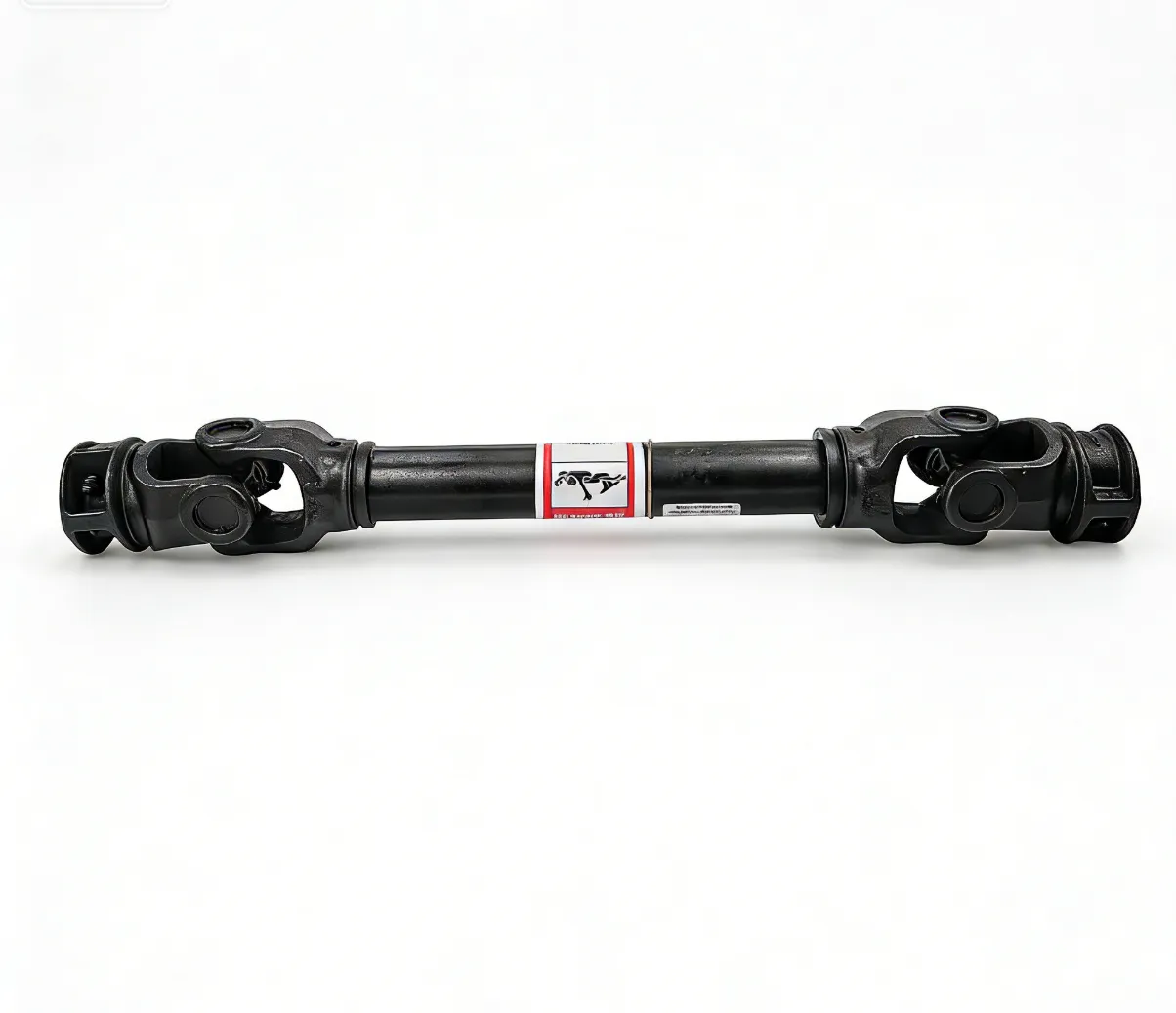
How to Replace a PTO Shaft Shield: Step by Step
Disconnect the shaft from both tractor and implementDisengage PTO, lower the implement, shut off the engine, and remove the key. Wait for complete stop. Disconnect the tractor-end yoke from the stub shaft by releasing the locking collar, then disconnect the implement-end yoke.
Separate the shaft telescoping sectionsPull the inner and outer tubes apart. The old shield halves will slide off each tube end once the shaft is separated. On shafts with tapered retaining clips, remove the clip before sliding the funnel guard off.
Match the replacement shield to the shaft series and tube profileShield tube inner diameter must match the shaft series (Series 3, 4, 5, or 6). The tube profile (triangular, lemon, star) must also match. A shield sized for a different series will not seat correctly on the funnel end bearings. Bring the old shield or the shaft tube dimensions to the supplier to confirm fitment.
Slide the new shield halves onto each tube, then reassemble the shaftSlide the new outer guard tube onto the outer shaft tube, funnel end first. Slide the inner guard tube onto the inner shaft tube, funnel end first. Push the shaft telescoping sections back together. Seat the funnel guards over the yoke and secure the retaining clips or rings at each end.
Attach anchor chains and run the full coverage checkConnect the anchor chain or cord at both ends with enough slack for full hitch travel. Reconnect the shaft to tractor and implement. Run the full raised-position and lowered-position checks described in the length adjustment procedure to confirm complete shield coverage at all positions before engaging PTO.
Need a Replacement PTO Shaft or Shield?
PRR Tractor Part stocks complete eixo da tomada de força assemblies with shields for Series 3–6 in 540 and 1000 RPM configurations. Replacement shield kits available separately by shaft series and tube profile.
Frequently Asked Questions
PTO Shafts and Shield Kits Available Now
Complete shaft assemblies and replacement shield kits for Series 3–6 in 540 and 1000 RPM configurations.
PRR Tractor Part Limited Partnership | [email protected]
304/1170 Soi Phahonyothin 49/1, Intersecção 6, Subdistrito de Talat Bang Khen, Distrito de Lak Si