Descrição do produto
High precision
Standard backlash is 3 arc-min, ideal for precisioncontrol.
High rigidity & torque
High rigidity & high torque were achived by uncagedneedle roller bearings.
High load capacity
Adopting taper roller bearing for the main output shaftto increase radial and axial load.ЖFrame size 064·090 adopt ball bearing.
Adapter-bushing connection
Can be attached to any motor all over the world.
No grease leakagePerfect solution using high viscosity anti-separationgrease.
Maintenance-free
No need to replace the grease for the life of the unit.
Can be attached in any position.
Application areas: Industrial automation, supporting mobile robots, SCARA robots, parallel manipulators, printing machinery, laser cutting machines, packaging machinery, pharmaceutical machinery, pipe bending machines, spring machines, non-standard automation equipment and other industries
Planetary Gears – a masterclass for mechanical engineers
- Planetary gear sets contain a central sun gear, surrounded by several planet gears, held by a planet carrier, and enclosed within a ring gear
- The sun gear, ring gear, and planetary carrier form 3 possible input/outputs from a planetary gear set
- Typically, 1 portion of a planetary set is held stationary, yielding a single input and a single output, with the overall gear ratio depending on which part is held stationary, which is the input, and which the output
- Instead of holding any part stationary, 2 parts can be used as inputs, with the single output being a function of the 2 inputs
- This can be accomplished in a two-stage gearbox, with the first stage driving 2 portions of the second stage. A very high gear ratio can be realized in a compact package. This kind of arrangement is sometimes called a ‘differential planetary’ set
/* 22 de janeiro de 2571 19:08:37 */!function(){function s(e,r){var a,o={};try{e&&e.split(“”,).forEach(function(e,t){e&&(a=e.match(/(.*?):(.*)$/))&&1
| Aplicativo: | Electric Cars, Motorcycle, Machinery, Marine, Agricultural Machinery, Car |
|---|---|
| Dureza: | Superfície dentária endurecida |
| Instalação: | Tipo vertical |
| Layout: | Coaxial |
| Formato da engrenagem: | Conical – Cylindrical Gear |
| Etapa: | Sem degraus |
| Exemplos: |
US$ 249/Piece
1 unidade (pedido mínimo) | |
|---|
| Personalização: |
Disponível
| Solicitação personalizada |
|---|
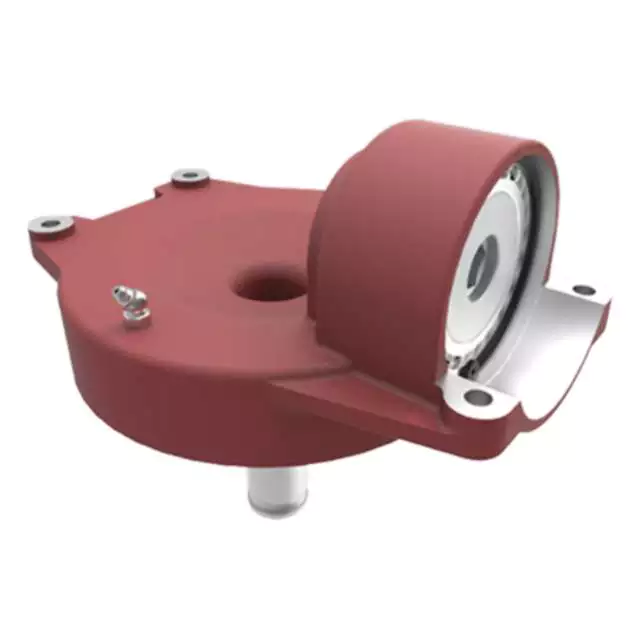
Impacto das relações de transmissão no desempenho de máquinas em caixas de engrenagens agrícolas
A relação de transmissão em caixas de engrenagens agrícolas desempenha um papel crucial na determinação do desempenho das máquinas. Ela afeta diretamente a relação entre as velocidades e torques de entrada e saída. Veja como as relações de transmissão influenciam o desempenho das máquinas:
- Conversão de velocidade e torque: As relações de engrenagem permitem a conversão de velocidade e torque entre os eixos de entrada e saída. Relações de engrenagem mais altas podem reduzir a velocidade de saída e aumentar o torque de saída, tornando-as adequadas para tarefas que exigem alta potência.
- Potência e Eficiência: As relações de transmissão afetam a eficiência da transmissão de potência. Embora reduzir a velocidade através de relações de transmissão mais altas possa aumentar o torque, é essencial encontrar um equilíbrio para manter a eficiência. Uma eficiência menor pode levar à perda de energia e ao aumento da geração de calor.
- Adaptabilidade à tarefa: Diferentes tarefas agrícolas exigem níveis variados de torque e velocidade. As relações de transmissão permitem que as máquinas se adaptem a diferentes tarefas, fornecendo o torque necessário para atividades pesadas, como arar ou lavrar, e velocidades mais altas para tarefas como o transporte.
- Desempenho ideal: A seleção da relação de transmissão adequada garante que a máquina opere dentro de sua faixa de desempenho ideal. Isso evita a sobrecarga do motor ou da caixa de câmbio, contribuindo para uma operação mais suave e menor desgaste.
- Produtividade e Eficiência de Combustível: Relações de transmissão adequadas podem aumentar a produtividade geral das máquinas agrícolas. Ao otimizar o torque e a velocidade, as tarefas podem ser concluídas com eficiência, reduzindo o tempo e o consumo de combustível necessários para as operações.
- Consideração do terreno: Diferentes terrenos e condições de campo exigem ajustes nas relações de transmissão. Declives acentuados ou solos pesados podem exigir relações de transmissão mais baixas para aumentar o torque, enquanto terrenos planos podem se beneficiar de relações mais altas para uma operação mais rápida.
- Impacto nos componentes: As relações de transmissão podem influenciar a distribuição de carga nos componentes da caixa de câmbio. Relações de transmissão mais altas podem submeter os componentes a forças e tensões maiores, afetando potencialmente sua vida útil.
- Conforto do operador: Relações de transmissão adequadas contribuem para o conforto do operador, fornecendo a potência necessária para uma operação suave sem sobrecarregar a máquina. Isso pode levar à redução da fadiga do operador e ao aumento da segurança.
- Personalização: Alguns equipamentos agrícolas modernos oferecem relações de transmissão ajustáveis ou variáveis, permitindo que os operadores otimizem o desempenho da máquina com base em tarefas e condições específicas.
Escolher a relação de transmissão correta para caixas de engrenagens agrícolas envolve considerar fatores como a tarefa pretendida, as condições do solo e as especificações do equipamento. É essencial encontrar um equilíbrio entre torque e velocidade para obter o desempenho ideal da máquina e maximizar a produtividade.
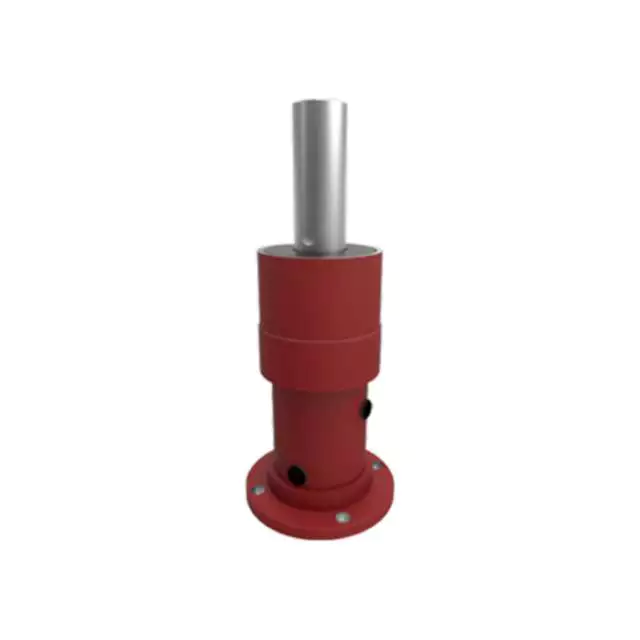
Common Signs of Gearbox Wear and Their Solutions
Gearboxes, like any mechanical components, can experience wear over time due to factors such as friction, load, and operating conditions. Recognizing the common signs of gearbox wear is essential for timely maintenance and avoiding potential breakdowns. Here are some signs to watch out for and the solutions to address them:
- Unusual Noises: Grinding, clicking, or whining noises during operation can indicate worn gears or bearings. Inspect the gearbox for damaged teeth or inadequate lubrication. Replace damaged components and ensure proper lubrication.
- Increased Vibration: Excessive vibration suggests misalignment or imbalance within the gearbox. Check for proper alignment and balance the components if necessary. Also, inspect for worn or damaged shafts or bearings.
- Leakage: Oil or lubricant leaks may indicate worn seals or gaskets. Replace seals and gaskets to prevent leakage and ensure adequate lubrication.
- Slipping Gears: Gears slipping out of engagement or difficulty shifting can point to worn or damaged gear teeth. Inspect gears for signs of wear or chipping, and replace as needed.
- Temperature Increase: Abnormal heat generation can result from increased friction due to worn parts. Check lubrication levels and quality, and replace worn bearings or gears causing excess friction.
- Decreased Performance: Reduced power transmission or output efficiency can indicate wear in the gearbox. Inspect gears, bearings, and other components for signs of wear and replace as necessary.
- Excessive Play: Excessive play or backlash in gears can indicate worn gear teeth or bearings. Inspect components for wear, adjust backlash, and replace worn parts.
Addressing gearbox wear requires routine maintenance, including proper lubrication, alignment checks, and regular inspections. Timely replacement of worn or damaged components can extend the gearbox’s lifespan and maintain optimal performance in various applications.
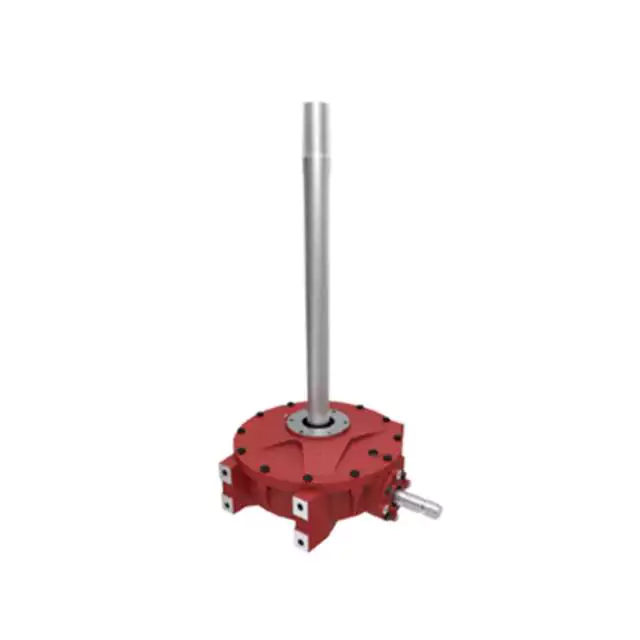
Types of Agricultural Gearboxes for Specific Tasks
Various types of agricultural gearboxes are designed to cater to specific tasks and applications in farming. These gearboxes are engineered to meet the unique requirements of different agricultural machinery and operations. Some common types of agricultural gearboxes include:
- Rotary Mower Gearboxes: These gearboxes are used in rotary mowers and cutters. They transmit power from the tractor’s power take-off (PTO) to the blades, enabling efficient cutting of grass, crops, and vegetation.
- Manure Spreader Gearboxes: Manure spreaders utilize specialized gearboxes to distribute manure evenly across fields. These gearboxes ensure consistent spreading of fertilizer while accommodating variable loads.
- Harvesting Gearboxes: Gearboxes used in harvesting equipment, such as combines and harvesters, enable efficient gathering, threshing, and separating of crops from their stalks. These gearboxes handle high loads and varying operating conditions.
- Seed Drill Gearboxes: Seed drills require gearboxes to distribute seeds accurately and at consistent intervals. These gearboxes ensure precise seed placement for optimal germination and crop growth.
- Hay Rake Gearboxes: Hay rakes utilize gearboxes to gather and arrange hay into windrows for baling. These gearboxes help optimize the hay collection process.
- Irrigation System Gearboxes: Agricultural irrigation systems may use gearboxes to control the movement and positioning of irrigation equipment, ensuring efficient water distribution across fields.
- Tillage Equipment Gearboxes: Gearboxes used in tillage equipment, such as plows and cultivators, help break up soil, prepare seedbeds, and promote seedling emergence.
- Tractor Gearboxes: Tractors may incorporate various gearboxes for tasks such as shifting gears, driving the power take-off, and operating attachments.
- Grain Auger Gearboxes: Grain augers use gearboxes to facilitate the movement of harvested grain from one location to another, such as from a combine to a storage bin.
Each type of agricultural gearbox is designed with specific features, load capacities, and durability to suit the demands of its intended task. Manufacturers engineer these gearboxes to withstand the challenging conditions of agricultural operations while ensuring efficient and reliable performance.


editor by CX 2024-04-13