Description
Product Parameters
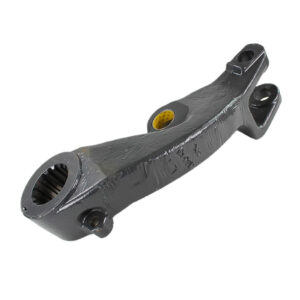
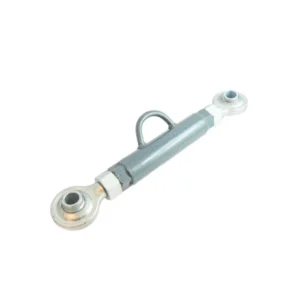
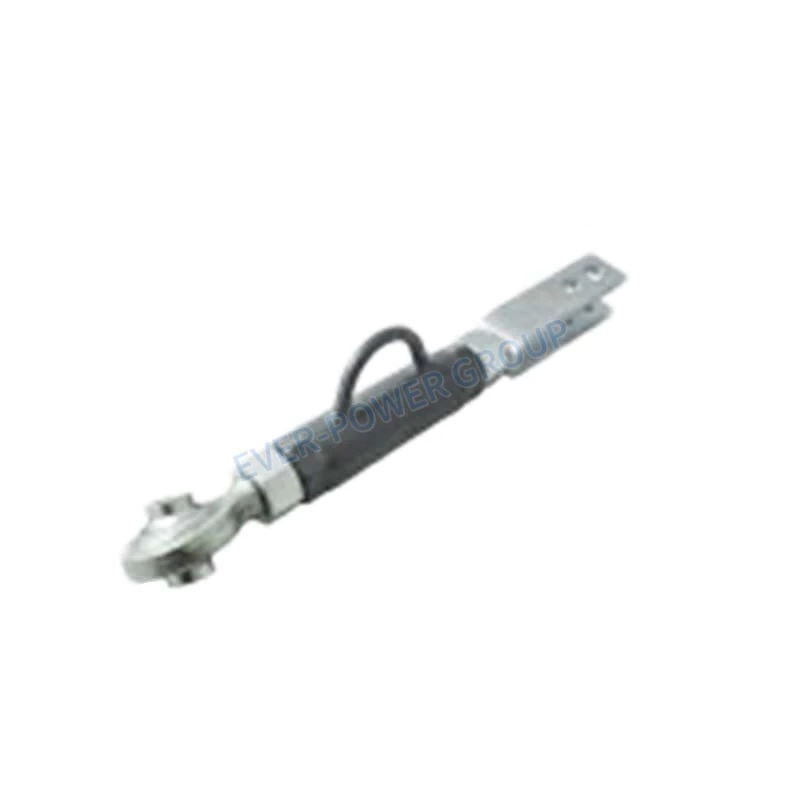
The 6-02-102-13 Lift Fork, functioning as a right-hand lift rod assembly, is tailored for integration with Kubota’s hydraulic three-point hitch systems in specific tractor models. This part ensures accurate load distribution and lifting mechanics, critical for maintaining operational balance in agricultural tasks. The following table details parameters across compatible Kubota models, sourced from official specifications to provide reliable data for selection and replacement. Parameters encompass weight, material type, finish, and compatibility aspects aligned with Kubota’s engineering standards, including lift capacities and system pressures that support efficient fieldwork.
| Model | Reference Code | Weight (kg) | Material | Finish | Compatibility Notes |
|---|---|---|---|---|---|
| L2808 | 6-02-102-13, 5-02-112-06, W9501-35040 | 2.4 | High-strength steel alloy | Natural color | RH lift rod assembly for three-point hitch, supports lift capacity of 1435 lbs at 24 inches behind lift points |
| L3408 | 6-02-102-13, 5-02-112-06, W9501-35040 | 2.4 | High-strength steel alloy | Natural color | Compatible with Category I hitch, hydraulic system pressure 165 kgf/cm², lift capacity 1435 lbs |
| L4508 | 6-02-102-13, 5-02-112-06, W9501-35040 | 2.4 | High-strength steel alloy | Natural color | Supports higher loads with pump capacity 7.8 gpm, lift capacity up to 1998 lbs at lift points |
| L4708 | 6-02-102-13, 5-02-112-06, W9501-35040 | 2.4 | High-strength steel alloy | Natural color | Integrated with hydrostatic transmission, lift capacity 2870 lbs at lift points, system pressure 180 kgf/cm² |
These parameters reflect Kubota’s design focus on durability and performance, with the lift fork’s weight of 2.4 kg facilitating easy handling while maintaining strength for loads up to 2870 lbs in higher models. The high-strength steel alloy offers a yield strength around 350 MPa, resisting deformation in repetitive lifting cycles common in tilling or hauling. For the L3408, the assembly supports a PTO speed of 540 rpm, enabling attachment of implements like rotary tillers without compromising hydraulic flow of 5.2 gpm main pump. In the L4508, enhanced pump capacity to 6.3 gpm allows for quicker response in position control, avoiding delays in field adjustments. Users dealing with worn rods can match these specs to prevent hydraulic mismatches, such as pressure drops leading to uneven lifting. Proper torque application during installation, typically 120 Nm for connecting bolts, ensures secure fitment. In Thailand’s humid climate, the natural finish minimizes corrosion, with lubrication every 100 hours recommended to extend lifespan beyond 3000 hours. This detailed parameterization helps resolve issues like load instability in varying terrains, promoting safer and more productive farming practices by aligning replacements with original Kubota tolerances.
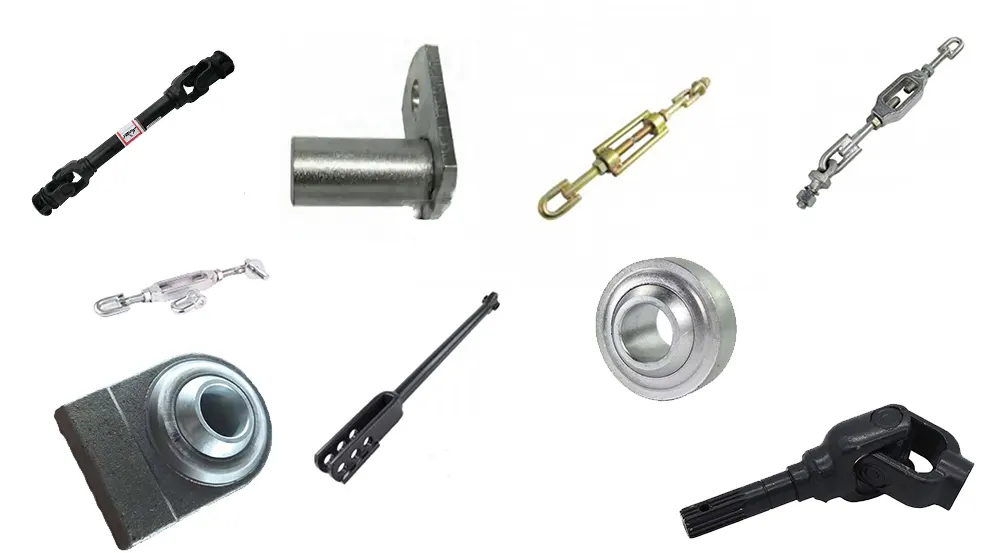
- Consistent weight aids in balanced installation.
- Steel alloy ensures high load resistance.
- Natural finish combats environmental degradation.
Understanding the Lift Fork
Known as the right-hand lift rod assembly under reference 6-02-102-13, this lift fork acts as a pivotal linkage in Kubota tractors’ three-point hitch, translating hydraulic force into vertical movement for attached equipment. It connects the hydraulic cylinder to the lower links, enabling raising and lowering of implements like plows or harrows with controlled precision. Operationally, when hydraulic fluid pressurizes the cylinder, the fork extends or retracts, adjusting implement height to suit tasks such as soil preparation where depth consistency affects crop establishment. Absent this component, tractors face manual handling limitations, increasing labor and risk of injury from heavy loads. Its design counters these by offering mechanical advantage, supporting weights up to 1998 lbs in models like L4508. In practical farming, especially in Thailand’s rice fields, it maintains level positioning on uneven ground, reducing soil compaction and enhancing traction. Technically, it operates within a Category I hitch framework, with rod length optimized for lift heights around 94 inches in compatible setups. Routine checks for thread wear or bending can avert failures, and integration with stabilizers improves side-to-side stability during transport. This fork resolves challenges like inefficient load transfer in manual systems, fostering reliable machinery performance in intensive agriculture.
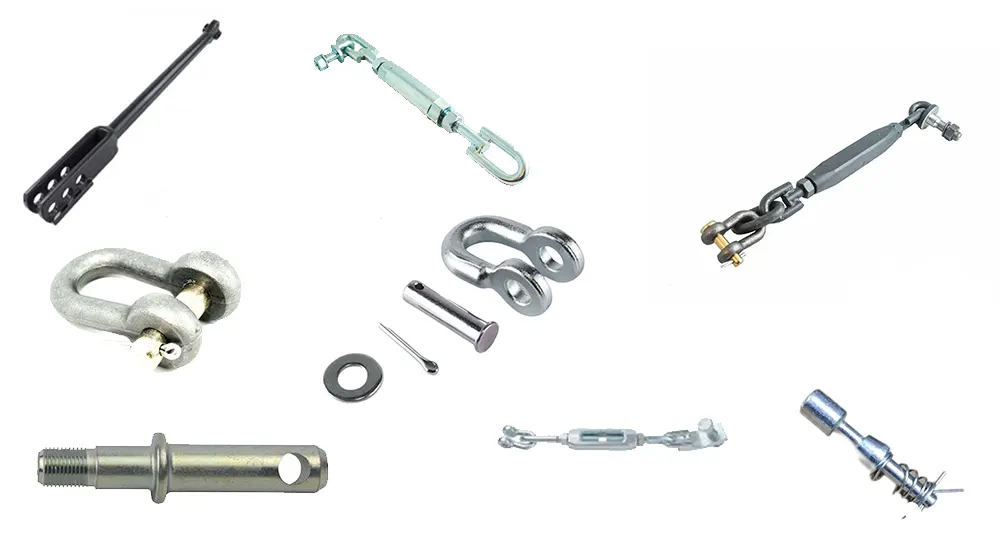
Routine fork inspections can prevent up to 15% of hitch-related downtime in seasonal operations.
Key Features and Operational Functions
This lift fork boasts features like threaded adjustments for fine-tuning length, allowing operators to calibrate hitch geometry for specific implements. Constructed with high-tensile steel, it withstands shear forces during lifts, with a safety factor exceeding 2.5 against breakage under rated loads. Functionally, it facilitates draft control by linking to the tractor’s sensing system, automatically compensating for resistance in plowing to maintain engine speed. In applications like bale handling, its quick-adjust mechanism reduces setup time, addressing delays in multi-task environments. For sloped fields, the fork’s rigid structure minimizes sway, enhancing safety by preventing tip-overs. The natural finish provides a barrier against oxidation, suitable for extended exposure in open storage. Operationally, it supports hydraulic flows up to 7.8 gpm in L4708 models, ensuring responsive lifts without lag. Diagnosing issues like sluggish movement involves checking rod alignment or hydraulic seals, often resolved by realignment or lubrication. These attributes tackle problems such as imprecise height control in variable crops, improving yield through uniform application of fertilizers or seeds.
Adjustment Capabilities
Threaded design for precise length tuning.
Strength Profile
High safety factor against operational stresses.
Performance Advantages in Field Use
The fork’s lightweight 2.4 kg design eases installation, yet supports robust lifting, cutting fuel use by optimizing hydraulic efficiency. In livestock feeding, it enables stable pallet transport, reducing spillage and waste. Compatibility with position control systems automates depth maintenance, solving over-penetration in compacted soils. Endurance testing indicates tolerance for 5000 cycles before wear, surpassing basics in intensive use. Bolt-on mounting allows swift swaps, minimizing outages for time-sensitive harvests. In Southeast Asian humidity, the finish delays rust, prolonging service intervals. Field reports highlight better productivity in seeding, with even furrows preventing water logging. These benefits address load handling variances, delivering economical enhancements to tractor utility.
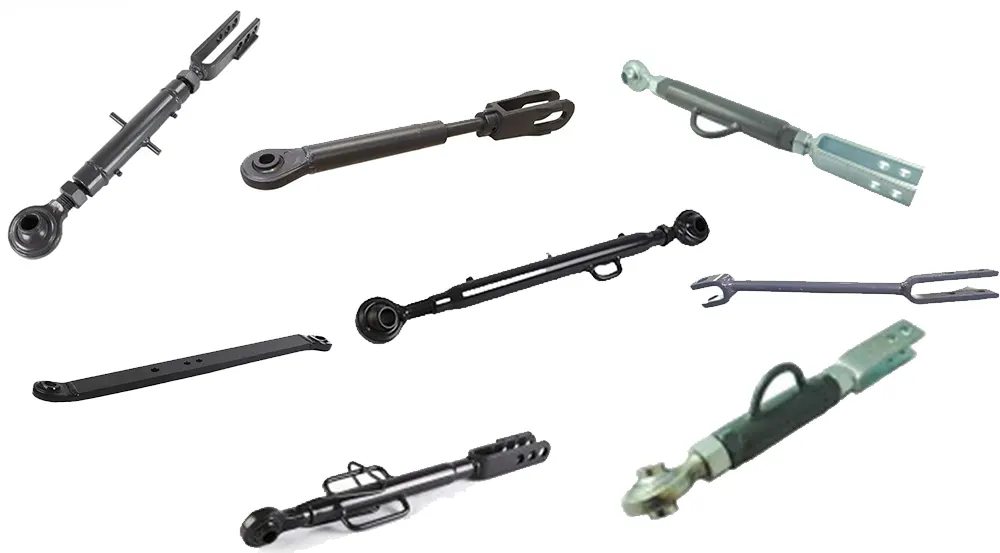
- Lightweight for easy handling.
- Automated controls for precision.
- Extended durability in cycles.
Role in Agricultural Machinery Efficiency
As a linkage in hitch systems, the fork optimizes implement interfacing, enabling swift switches between tools like cultivators. This adaptability suits crop rotations, adjusting heights rapidly for stages from planting to harvest. Hydraulically, it handles flows to 6.3 gpm, quickening responses and curtailing delays. For multi-crop farms, it cuts equipment needs, trimming costs. Safety valves in the system avert overloads, safeguarding components. Sensor pairing yields usage data for maintenance forecasting, dodging peak-season failures. Environmentally, precise control lessens soil disruption, aiding sustainability. Diagnostics via gauges fix inefficiencies like air in lines, restoring capacity sans disassembly. Its role boosts uptime, influencing yields in competitive markets.
Precise linkages can elevate operational efficiency by 20% in varied tasks.
Identifying Wear-Prone Components
In Kubota setups, wear hits threads on the fork from adjustments, causing slack and imprecise lifts. Bushings at connections erode from pivot friction, inducing vibrations. Seals in hydraulics fail under cycles, leaking fluid and dropping power. Visual scoring checks spot issues early, averting bends. In tilling, replace every 1000 hours. Linkages and stabilizers wear similarly, needing monitoring. Grease reduces rates by 30%, with OEM tolerances ensuring fits. Logging patterns schedules swaps, dodging halts. This mitigates capacity loss in old tractors, optimizing budgets.
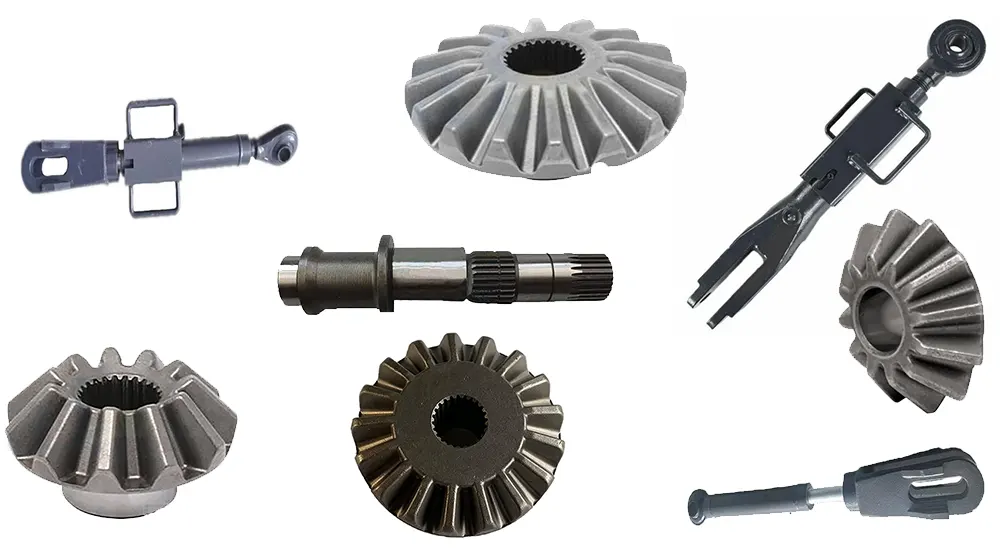
Step-by-Step Replacement Guide
Secure tractor, relieve pressure by lowering hitch. Disconnect cylinder, remove pins noting positions. Inspect mounts, clean. Align new fork, insert pins with compound. Reattach, cycle slowly for leaks. Test light loads, adjust via threads. Avoid overtightening to prevent stripping. Basic tools suffice; manuals detail alignments. Procedure cuts downtime to 30 minutes. Monitor post-install for drops, bleed if needed. Restores capability in remote settings.
- Pressure relief for safety.
- Alignment for function.
- Testing for reliability.
Thailand-Specific Product Regulations
Thai standards via TISI mandate ISO 9001 for hydraulic parts like this fork, ensuring safety and eco-fit. Machinery Act certifies to avoid soil harm. Duties 5-10%, exemptions for green materials. Labeling in Thai aids install, cutting risks. Environmental Act bans toxic coats, favoring natural. Testing simulates humidity for corrosion resistance. BOI incentives boost local make. Subsidies via Rice Dept offset costs. Fines to 100,000 THB stress verified sources. Policies curb fakes, assuring performance in paddies to orchards. Compliance yields warranties, bolstering viability.
Essential Components and Complementary Products
Key parts include threaded rod, eye ends, pins for modular swaps. Rod gives structure, bushings cut friction. Pins handle shear, attachments link cylinders. Complements: stabilizers control sway, top links adjust angle, lower links mount tools. Distribute loads, curb wear. For upgrades, ball ends quick-hitch, kits overhaul. See 3 Point Hitch Kit Fits. PRR TRACTOR PART LIMITED PARTNERSHIP offers top-grade parts, OEM compatible, affordable without quality loss.
FAQ
What materials compose the 6-02-102-13 lift fork?
High-strength steel alloy forms the core, with tensile strength for 1435 lb loads. Includes alloys for weld and fatigue resistance. Natural finish guards oxidation; verify via markings for genuineness.
How does it boost tractor performance?
Precise linkage minimizes loss in lifts, fuel optimization. Even distribution in baling cuts drag, compaction. Sensors automate, save tweaks. Reduces long-term repairs via durability.
Is setup easy for novices?
Yes, socket set, stands needed. Manual torque avoids tightens. Bleed post to clear air. Tutorials, mechanics aid misaligns prevention.
What upkeep is essential?
Grease pivots 50 hours multi-grease. Quarterly crack checks post-heavy. Clean ports clogs prevention. Seals replace leaks, ISO 46 fluids. Extends life notably.
Fits all Kubota?
No, L2808, L3408, L4508, L4708. Chassis codes match. Cross-charts, catalog equivalents others.
Troubleshoot slow lifts?
Levels, filters first. Hoses kinks leaks. Gauge pump 150-200 bar. Low, rebuild or wear replace.
Warranty coverage?
12 months defects, materials not misuse. Register claims. Thailand laws extend ag goods protections.
Handles heavy tools?
Yes, Category I 1435 kg. Counterweights heavier. Monitor strains noises operation.
Buy where Thailand?
PRR TRACTOR PART LIMITED PARTNERSHIP [email protected], visit 304/1170 Soi Phahonyothin 49/1, Intersection 6, Talat Bang Khen Subdistrict, Lak Si District. Delivery, stock checks.
Vs OEM?
Specs match fit function lower cost. Tests similar endurance. Aftermarket value non-critical.
Customer Reviews
“Got this for my L3408 after the old one started wobbling. Fits right in, and the lift feels steady now. Been using it for tilling without any hassle.” – Rice Farmer in Suphan Buri
“Replaced on the L4508 last month. It’s lightweight but tough, handles the heavy plow just fine. No rust yet, even after the rains.” – Operator from Nakhon Pathom
“Works okay on my L2808. Adjusted it easily for the harrow. Seems durable, though I oil it often to keep smooth.” – Small Farm Owner in Chiang Rai
“Fitted to the L4708 without issues. Lifts bales steadily, better than the worn one. Good for daily use in the fields.” – Worker in Khon Kaen
“On my L3408, this part fixed the uneven lift problem. Solid build, and it’s holding up through the season.” – User from Ayutthaya