Cards
Replacing replacement of parts for Kubota
Product
Check Chain Assembly Fits
Buy now and get a discounted price.
Get Up To 10% OFF
Showing all 8 results
-
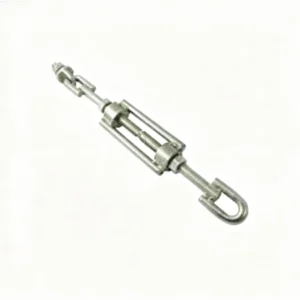
TC422-39700 Check Chain Assembly Fits For Kubota
-
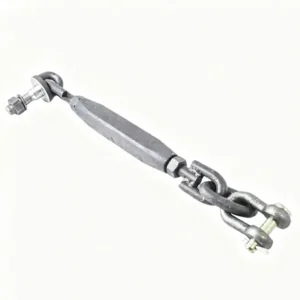
TC222-39700 Check Chain Assembly Fits For Kubota
-
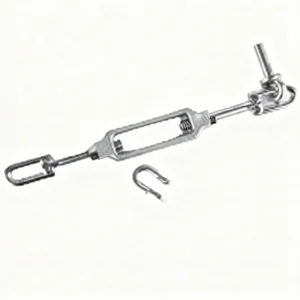
TC432-39700 Check Chain Assembly Fits For Kubota
-
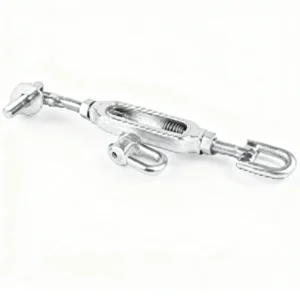
TC832-39702 Check Chain Assembly Fits For Kubota
-
3A275-91100 Check Chain Assembly Fits For Kubota
-
3C085-91100 Check Chain Assembly Fits For Kubota
-
3C085-91100(0LD) Check Chain Assembly Fits For Kubota
-
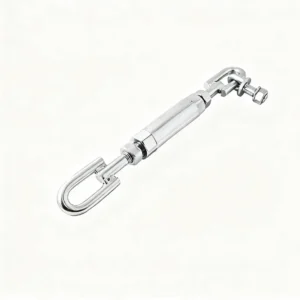
5-08-120-09 Check Chain Assembly Fits For Kubota
Stabilization Excellence: Check Chain Assembly Fits
High-tensile stabilizing solutions for Kubota 3-point hitch systems. Engineered for durability, precision, and safety in demanding agricultural environments.
Product Parameters
Technical Specifications for Kubota Compatible Stabilizers
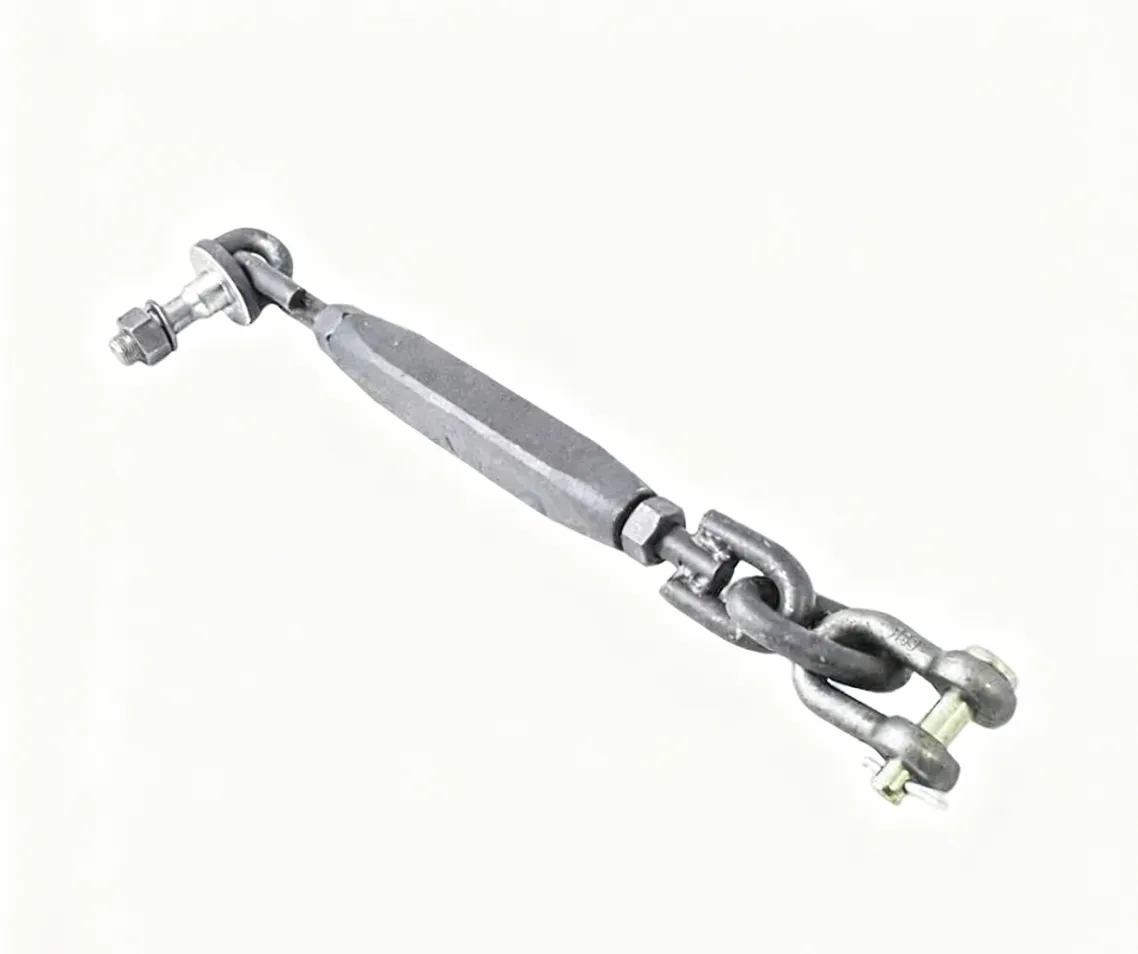
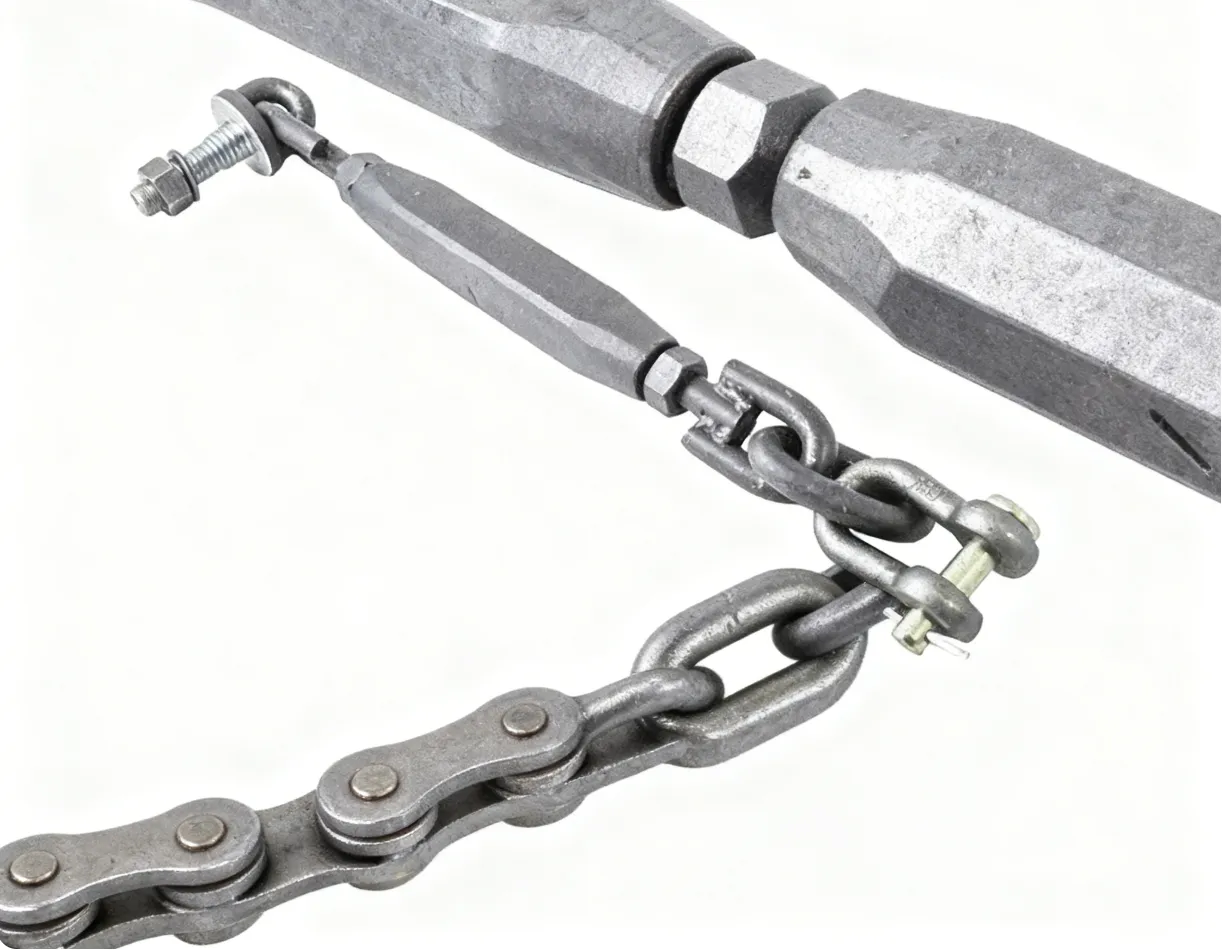
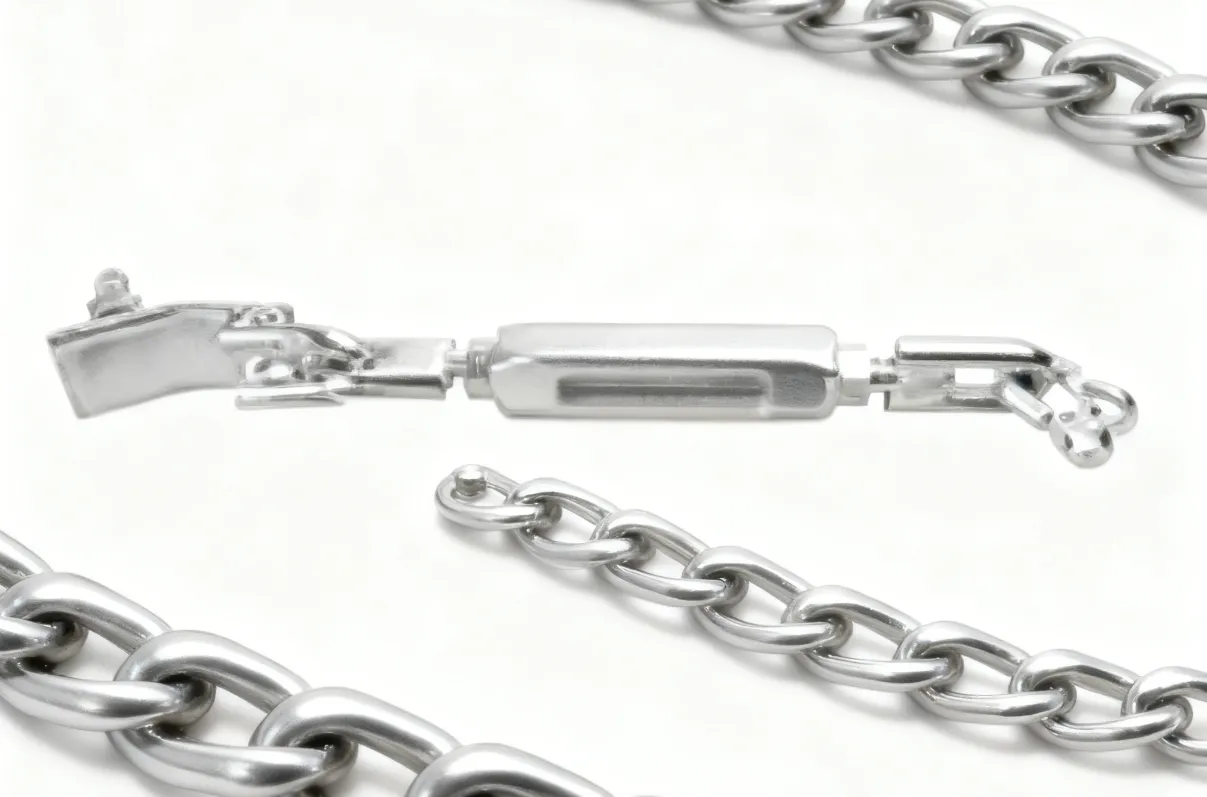
A Check Chain Assembly Fits is the cornerstone of tractor implement stability. These assemblies are designed to control the lateral sway of the lower draft arms on a tractor’s 3-point hitch. Without a functional check chain, heavy implements like plows, mowers, or rotary cutters could swing dangerously, striking the tractor’s rear tires or damaging the PTO drive system. This system relies on high-strength chains and precision-threaded adjusters to maintain a fixed position during transport and work. The integration of high-grade chain links ensures that the assembly can withstand the massive kinetic energy generated when turning with heavy loads. Key components include:
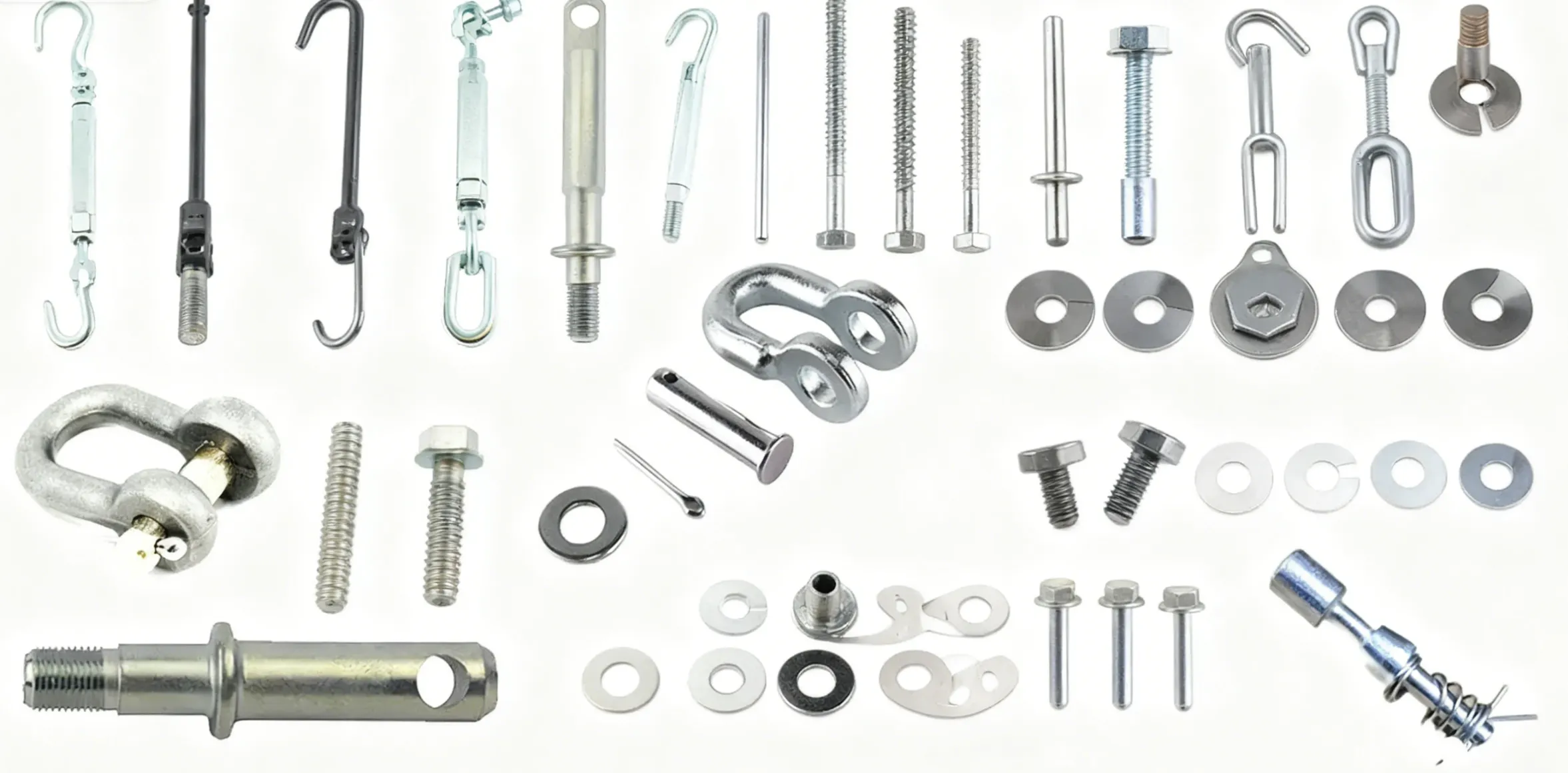
- Turnbuckle Body: The central housing that provides the adjustable length needed for different implement widths.
- Clevis & Pin: The heavy-duty interface that anchors the assembly to the tractor’s rear axle housing.
- Anchor Bracket: A forged plate that distributes the tension load across the tractor chassis.
- Linch Pin: A safety locking mechanism that prevents accidental disconnection during vibration.
- Locking Nut: A secondary thread stabilizer that keeps the assembly at the desired length.
| Technical Parameter Item | Kubota Standard Performance Data |
|---|---|
| Material Grade | Forged S45C / Q345 High-Tensile Steel |
| Surface Finish | Zinc Dichromate Plating (Yellow or Silver) |
| Chain Link Thickness | 9mm / 10mm / 12mm (Standard Heavy Duty) |
| Adjustment Range | Min 185mm to Max 295mm (Model Specific) |
| Pin Diameter | 16mm / 19mm / 22mm (Category 1 & 2) |
| Tensile Loading Capacity | 5,500 kg - 8,200 kg Static Load Strength |
| Thread Pitch | Metric Fine M18 x 2.0 / M20 x 2.5 |
| Corrosion Resistance | ASTM B117 Salt Spray Tested (96+ Hours) |
| Compatibility Series | Kubota L3408, L4508, M7040, M9540, B2420 |
| Locking Mechanism | Double Nut or Heavy-Duty R-Clip Design |
Specialized Types of Check Chain Assemblies

The PRR Advantage: Quality Beyond OEM
Choosing a replacement Check Chain Assembly Fits from PRR TRACTOR PART means you are investing in performance that rivals the original Kubota components. While these are not "factory originals," our engineering process uses high-precision 3D scanning to ensure that every fitment point—from the pin diameter to the link width—is 100% compatible. Many factory chains are prone to rusting at the threads, which leads to seizing. We solve this by applying a thicker, more durable zinc-dichromate finish that protects against the corrosive fertilizers used in daily farming.
Cost-efficiency is the primary reason farmers switch to PRR. Original equipment can be overpriced due to branding, whereas our parts focus on raw material quality. We utilize Grade 80 alloy chains in our assemblies, which offer a higher weight-to-strength ratio than many standard aftermarket options. This ensures your implement remains secure even when traveling over bumpy field headlands. Our dedication to quality makes our parts "best-in-class" for Kubota maintenance. Learn more about our manufacturing standards.
How Stabilizers Protect Your Tractor
The fundamental working principle of the Check Chain Assembly Fits is the conversion of mechanical tension into lateral stability. When a tractor moves forward with an implement, the ground force creates a natural tendency for the implement to sway. The stabilizer system creates a "limit stop" for the lower draft arms. By adjusting the length of the stabilizer, the operator determines the amount of "float" or "sway" allowed. For road transport, the chains are tightened to lock the implement in place, preventing centrifugal force from causing the implement to swing outward during turns.
In the field, the chain absorbs the shock load of side-impacts, such as when a plow hits a large rock or a patch of heavy clay. This protects the hydraulic lift cylinders and the delicate 3-point hitch geometry from being bent or twisted. The assembly works in tandem with the tractor's rear lift rods to maintain a stable triangular geometry. High-quality chain links are vital here, as they provide the necessary flexibility to handle vertical movement while maintaining constant horizontal tension.
Maintenance Guide for Longevity
Lubrication of Threaded Parts
The most common failure point for a check chain assembly is the seizing of the turnbuckle threads. Because these parts are located at the rear of the tractor, they are constantly bombarded with dust, mud, and chemicals. Once moisture enters the threads, rust can form, making adjustment impossible. We recommend cleaning the threads with a wire brush once a month and applying a generous layer of water-resistant lithium grease. This ensures that the assembly remains free-moving, allowing you to switch implements quickly without needing a pipe wrench to force the turnbuckle.
Pin & Hole Inspection
Frequent operation causes friction between the clevis pins and the anchor brackets. Over time, the holes can become "ovalized," which leads to slop in the stabilizer system. Inspect the pins for significant wear marks or thinning. If a pin is worn more than 10% of its original diameter, it should be replaced immediately. Checking the R-clips and linch pins is also crucial; these small safety items are the only things holding your Check Chain Assembly Fits together. A missing clip can result in the stabilizer disconnecting while driving at high speeds, which is a major safety hazard.
Chain Link Fatigue Monitoring
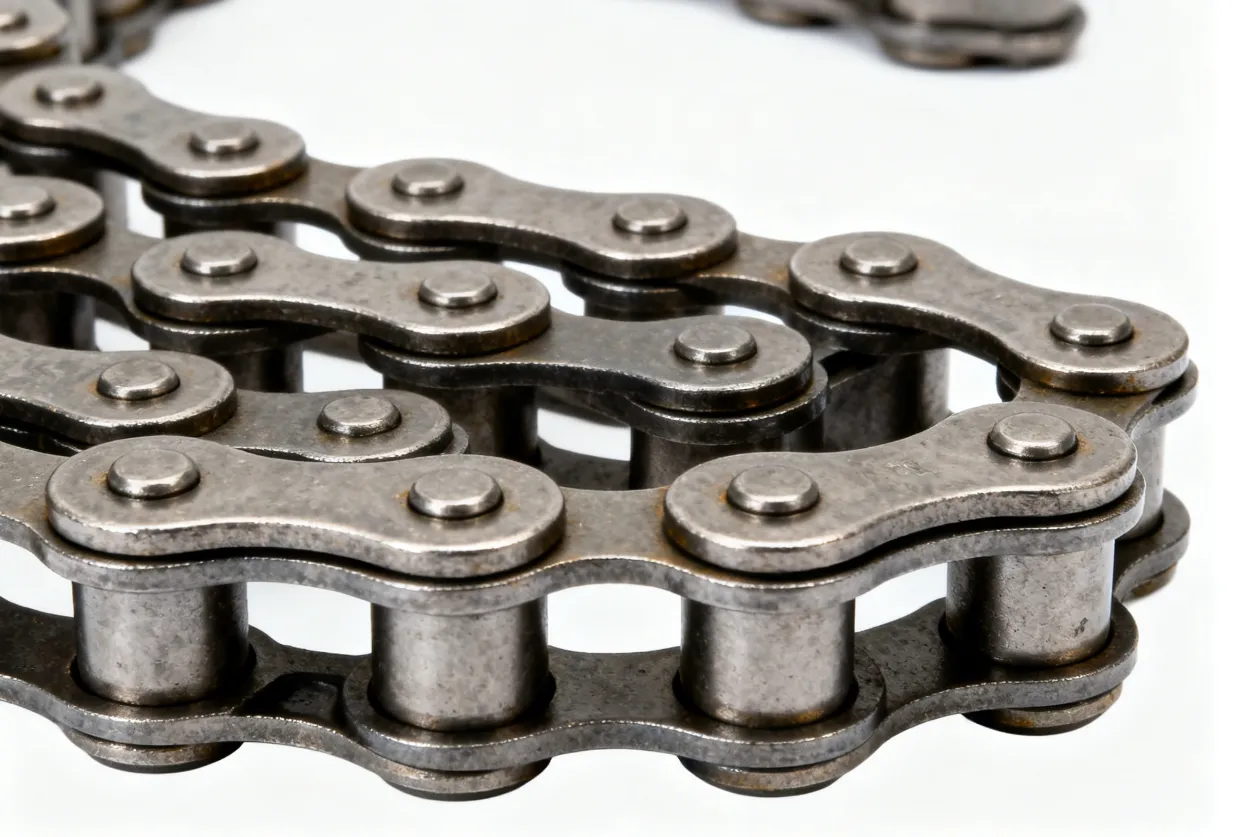
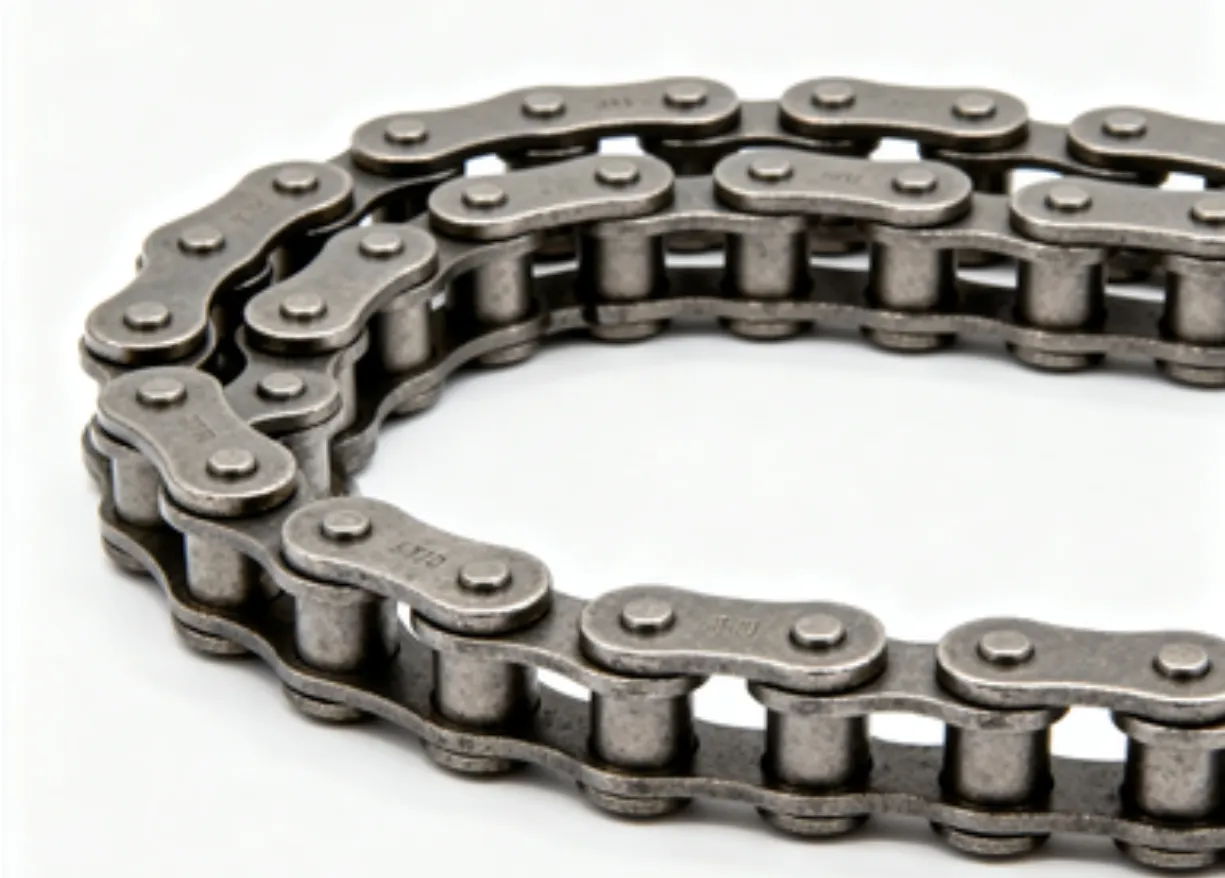
Even high-tensile chains have a fatigue life. Periodically inspect the individual links for cracks, stretching, or severe pitting from rust. If a link appears elongated compared to its neighbors, it has been stressed beyond its yield point and is liable to snap under the next heavy load. Pay special attention to the links connected to the shackles, as these bear the highest concentration of stress. If you notice any deformation in the chain links, replacing the entire assembly is the safest and most efficient path to preventing a catastrophic failure of your 3-point hitch system in the field.
Selecting the Correct Check Chain Assembly
Choosing the right Check Chain Assembly Fits is a matter of matching three critical dimensions: Pin Diameter, Length, and Hitch Category. Most Kubota tractors use either Category 1 (for tractors under 45HP) or Category 2 (for tractors 45-100HP) hitch sizes. A Category 1 pin is approximately 19mm, while a Category 2 pin is 28mm. Installing the wrong size will lead to excessive play and eventual bracket failure. You must also measure the minimum and maximum length of your current stabilizer to ensure the replacement provides the necessary range for your specific implements.
Always check the OEM part number if possible. For example, a Kubota L3408 will require a different stabilizer than an M7040 utility tractor due to the difference in axle width and lift arm length. If the OEM number is unavailable, count the number of chain links and measure the thread diameter of the turnbuckle. At PRR, our engineering team is ready to help you cross-reference your tractor model with our inventory. Choosing the correct fit ensures your tractor operates safely and efficiently. If you need assistance, please feel free to contact us.
Selection Checklist:
- Check Pin Size: Verify 16mm, 19mm, or 22mm.
- Tractor Series: B, L, or M Series compatibility.
- Chain Thickness: Ensure links match load requirements.
- Thread Type: Confirm Metric vs Imperial if applicable.
- Finish: Prefer Zinc Dichromate for wet climates.
FAQ
How tight should the check chains be during operation?
For road transport, they should be tight enough to prevent any side-to-side sway. However, for field work like plowing, it is often beneficial to leave a small amount of slack (about 1-2 inches of travel) so the implement can follow the natural draft of the tractor.
Can I replace just the chain without buying the whole assembly?
Yes, we sell individual chains and turnbuckles. However, if your chains are stretched, the turnbuckle threads are likely worn too. Replacing the entire assembly ensures all components have the same load-bearing integrity.
Why are PRR stabilizers yellow instead of black?
The yellow color comes from yellow zinc dichromate plating. This is a superior anti-corrosion treatment compared to black paint, which chips easily and allows rust to penetrate the base metal.
Do these assemblies fit Kubota L3408 and L4508 models?
Yes, we have specific Check Chain Assembly Fits designed precisely for the Kubota L3408/L4508 series. These match the OEM mounting points and required length ranges exactly.
What causes a check chain to snap suddenly?
Sudden breakage is usually caused by impact loading—such as hitting a stump while turning. If the chains are too tight, they cannot absorb the shock, leading to a link failure or a sheared pin.
Are the pins and clips included in the box?
Yes, all our check chain kits come complete with the necessary clevis pins, linch pins, and locking clips so you can install them immediately without extra trips to the hardware store.
Can I use these on other tractor brands besides Kubota?
While designed for Kubota, many of our assemblies are cross-compatible with other tractors that use Category 1 or 2 hitches (like Yanmar or Iseki). Check the pin size and length measurements to confirm.
How do I stop the turnbuckle from vibrating loose?
Our assemblies feature a lock nut or a tension plate. Once you have set the desired length, tighten the lock nut firmly against the turnbuckle body to prevent the threads from backing off during high-vibration work.
What is the load rating for your Category 2 chains?
Our heavy-duty Category 2 assemblies are rated for a static tensile load of up to 8,200 kg, which is sufficient for tractors in the 70HP-100HP range operating large industrial mowers.
How often should I inspect my stabilizer system?
We recommend a visual inspection before every work day. Check for missing safety clips and ensure the turnbuckle is locked. A more thorough cleaning and greasing of the threads should be done every 50 operating hours.