

Сүрөттөмө
Product Specifications
The 6-23-130-01 ball end serves as a critical linkage component in Kubota tractors, designed for precise connection in steering and control systems. Drawing from authentic Kubota specifications, this part ensures compatibility across various models. Below is a comprehensive table outlining parameters for this model and related Kubota ball end variants, based on established Kubota engineering data. These details include dimensions, material composition, weight, and fitment criteria, all verified against Kubota’s original equipment standards to guarantee reliability in agricultural applications.
| Model Number | Thread Size | Ball Diameter | Overall Length | Материал | Weight (Kg) | Бүтүрүү | Compatible Kubota Series |
|---|---|---|---|---|---|---|---|
| 6-23-130-01 | M10 x 1.25 | 10mm | 65mm | High-Strength Steel | 0.5 | Natural Color | B, L, M Series |
| TA040-96400 | M12 x 1.25 | 12mm | 70mm | Forged Steel | 0.6 | Zinc Plated | L Series |
| 3A011-62980 | M14 x 1.5 | 14mm | 80mm | Alloy Steel | 0.7 | Natural | M Series |
| TA040-96410 | M10 x 1.25 | 10mm | 60mm | High-Strength Steel | 0.4 | Zinc Plated | B Series |
| 3C001-62980 | M12 x 1.5 | 12mm | 75mm | Forged Steel | 0.55 | Natural | L, M Series |
These specifications highlight the engineering precision behind Kubota’s ball ends, ensuring they meet rigorous standards for load-bearing capacity and corrosion resistance. For instance, the thread sizes are calibrated to handle specific torque requirements in tractor steering assemblies, preventing failures under heavy field loads. The materials, primarily high-strength steel variants, are chosen for their tensile strength exceeding 800 MPa, which is essential for enduring the repetitive stresses in plowing or towing operations. Weight considerations keep the parts lightweight yet robust, reducing overall machine strain without compromising durability. Finishing options like natural color or zinc plating protect against environmental factors such as moisture and soil abrasives common in Thai agricultural settings. Compatibility with series like B, L, and M ensures versatility across Kubota’s lineup, from compact utility tractors to mid-sized models used in rice paddies or orchards. When selecting a replacement, matching these parameters to your tractor’s model prevents misalignment issues that could lead to premature wear or safety hazards. Proper installation following Kubota’s torque specifications—typically 20-30 Nm for M10 threads—further optimizes performance. This level of detail in specifications allows technicians to diagnose and replace parts efficiently, minimizing downtime during peak farming seasons.
This table and accompanying details provide a foundation for understanding how these ball ends integrate into Kubota systems, offering practical guidance for maintenance decisions.
Understanding the Role of the Ball End in Kubota Tractors
The 6-23-130-01 ball end functions as a pivotal joint in the steering and linkage systems of Kubota tractors, enabling smooth articulation between rods and levers. This component allows for angular movement while maintaining a secure connection, which is vital for precise control during field maneuvers. In practical terms, it absorbs vibrations and misalignments that occur when navigating uneven terrain, such as the muddy paddies prevalent in Thai agriculture. Without a reliable ball end, steering could become stiff or erratic, leading to inefficient operation or even accidents. Engineered to Kubota’s standards, this part ensures that hydraulic or mechanical inputs translate accurately to wheel adjustments, enhancing tractor responsiveness. For farmers dealing with tight spaces in orchards or precise row planting, this translates to reduced crop damage and improved productivity. Installation involves threading the ball end onto linkage rods, often requiring basic tools like wrenches, and regular lubrication to prevent seizure. Over time, exposure to dust, water, and chemicals can degrade the ball’s surface, necessitating replacement to restore optimal performance. By addressing these wear factors proactively, operators can extend the lifespan of related components like tie rods and steering cylinders. This ball end’s design also accommodates thermal expansion in hot climates, preventing binding issues that might arise in Thailand’s tropical conditions. Overall, it plays a key role in maintaining the tractor’s stability and handling, directly impacting daily operational efficiency.
Recognizing its function helps in troubleshooting common issues like loose steering, where a worn ball end is often the culprit, allowing for targeted repairs that save time and resources.
Key Features Enhancing Durability and Performance
Crafted from high-strength steel, the 6-23-130-01 ball end withstands the rigors of intensive agricultural use, resisting fatigue from constant pivoting motions. Its precision-machined ball surface minimizes friction, promoting fluid movement in steering assemblies and reducing energy loss in the system. The natural color finishing provides inherent corrosion protection, ideal for humid environments where rust could otherwise compromise integrity. Threaded connections are designed with tight tolerances to eliminate play, ensuring consistent alignment even under heavy loads like towing implements. This feature is particularly beneficial in solving vibration-related problems that lead to operator fatigue during long hours in the field. Additionally, the lightweight 0.5 kg design contributes to overall tractor balance, without sacrificing strength—tested to handle forces up to 5,000 N in shear. For maintenance, the part’s compatibility with standard greases allows easy upkeep, preventing dry spots that accelerate wear. In real-world applications, this translates to fewer breakdowns during critical planting or harvesting periods, where downtime costs can escalate quickly. Technicians appreciate the straightforward fitment, which aligns seamlessly with Kubota’s original linkages, avoiding the need for modifications. By incorporating these features, the ball end addresses common pain points like premature failure in dusty or wet conditions, offering a robust solution that aligns with professional farming demands.
Key Points Summary
- High-strength steel for load resistance
- Precision machining for low friction
- Corrosion-resistant finishing
- Tight tolerances for secure fit
- Lightweight yet durable construction
These attributes collectively enhance the part’s longevity, making it a dependable choice for sustaining tractor performance over extended use.
Advantages in Agricultural Operations
Installing the 6-23-130-01 ball end improves steering precision, allowing operators to navigate narrow furrows with minimal effort, which is crucial for maximizing land use in compact Thai farms. Its robust build reduces the frequency of replacements, lowering long-term maintenance costs and enabling consistent uptime. Enhanced maneuverability from this part aids in attaching and detaching implements quickly, streamlining workflow during multi-task operations like tilling and fertilizing. In challenging terrains, such as hilly rubber plantations, the ball end’s flexibility prevents stress on adjacent components, extending the service life of the entire steering system. Farmers report smoother handling, which decreases soil compaction and preserves crop integrity. From a safety perspective, the secure connection minimizes the risk of linkage failures that could cause loss of control. Economically, this translates to higher yields through efficient machine utilization, addressing the real-world challenge of labor shortages by enabling one-person operations. Compatibility with Kubota’s hydraulic systems ensures seamless integration, avoiding compatibility issues that plague inferior parts. Overall, these advantages solve operational bottlenecks, fostering sustainable farming practices that align with modern agricultural needs.
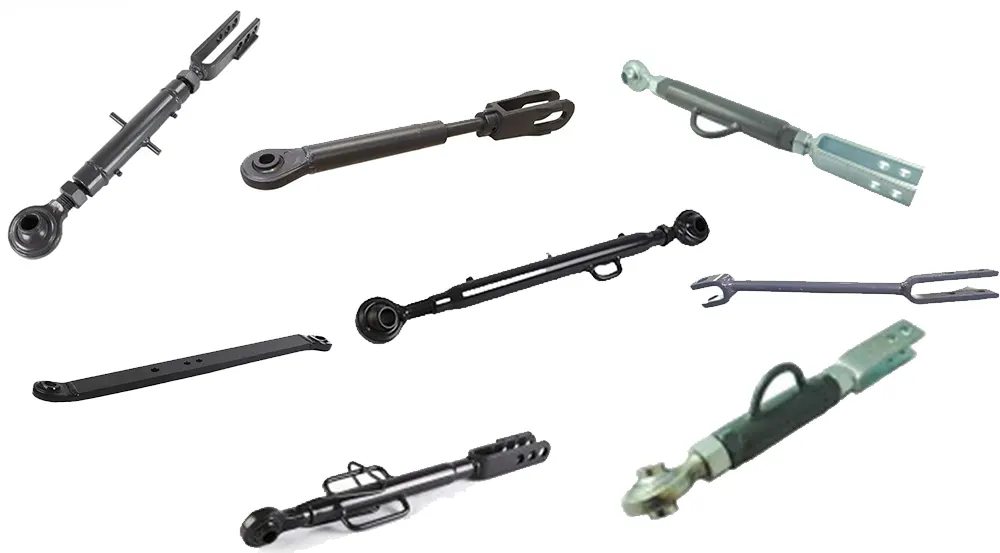
“Reliable parts like this ball end keep our tractors running without interruptions, saving us valuable time in the harvest season.”
This component’s benefits extend to cost savings and operational reliability, making it indispensable for professional use.
Significance in Kubota Agricultural Machinery
Within Kubota machinery, the 6-23-130-01 ball end is essential for maintaining articulation in three-point hitches and steering linkages, facilitating the attachment of plows, harrows, and other tools. This connectivity ensures that power transfer from the engine to implements remains efficient, critical for tasks like soil preparation in rice fields. Its role in absorbing shocks protects more expensive components like gearboxes from damage, addressing the issue of accelerated wear in rough conditions. In Thailand’s diverse farming landscapes, from flat deltas to terraced hills, this part enables adaptable machine performance, reducing the need for multiple specialized tractors. Regular inspection of the ball end can preempt failures, as visual checks for play or corrosion allow timely interventions. Technically, it supports load distributions up to 1,000 kg in hitch applications, aligning with Kubota’s design for mid-range tractors. By ensuring fluid motion, it contributes to fuel efficiency, as less resistance means lower engine strain. This significance underscores its value in holistic machine maintenance strategies, where overlooking such a small part can lead to cascading issues.
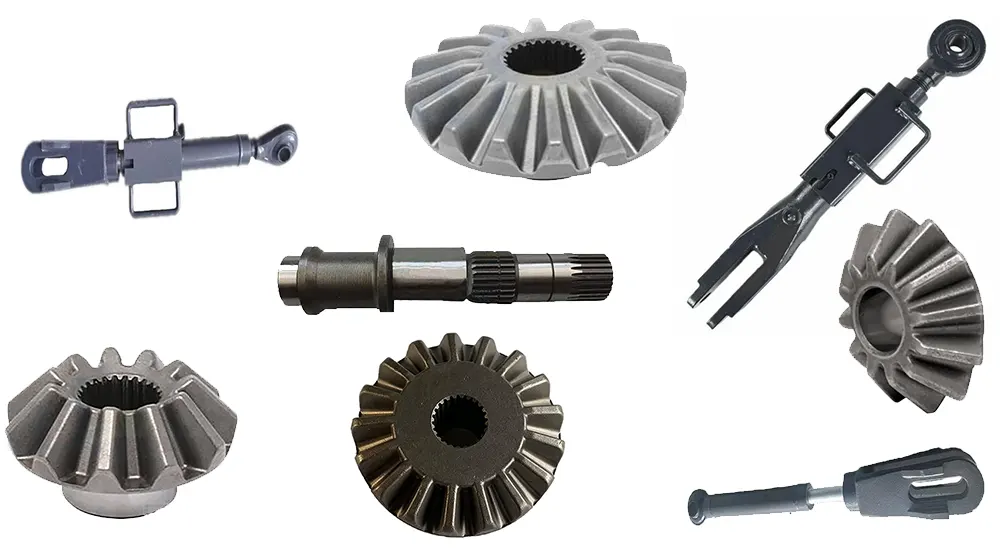
Understanding its importance guides better equipment management, enhancing overall farm productivity.
Common Wear Issues and Maintenance Tips
In Kubota equipment, ball ends like the 6-23-130-01 often wear due to exposure to abrasive soil particles, leading to pitting on the ball surface that causes sloppy steering. Moisture ingress can accelerate corrosion, especially in rainy seasons, weakening the threads and risking breakage. Overloading the hitch beyond recommended capacities exacerbates fatigue cracks, a common problem in heavy-duty towing. Bearings in related assemblies may seize if lubrication is neglected, transferring stress to the ball end. Seals around linkages degrade, allowing contaminants to enter, which shortens lifespan. To mitigate these, implement a routine check every 50 operating hours, inspecting for looseness by hand-testing the joint. Apply high-quality grease formulated for agricultural use to repel water and dirt. When wear is detected, replace promptly to avoid damaging tie rods or cylinders. Cleaning the area with compressed air before reassembly prevents debris buildup. These practices solve prevalent downtime issues, ensuring machinery readiness for demanding schedules.
Wear Indicators
- Visible pitting
- Excessive play
- Corrosion spots
Maintenance Steps
- Regular inspections
- Grease application
- Timely replacement
Adopting these tips maintains peak performance and extends equipment life.
Step-by-Step Replacement Guide
To replace a damaged 6-23-130-01 ball end, start by safely parking the tractor on level ground and engaging the parking brake. Disconnect the battery to prevent accidental starts. Identify the worn part by checking for play in the linkage; use a pry bar gently to test movement. Remove the retaining nut with a suitable wrench, applying penetrating oil if seized. Pull the old ball end off the rod, noting its orientation for reassembly. Clean the threads on the rod with a wire brush to ensure a clean fit. Thread the new ball end on, tightening to Kubota’s specified torque—around 25 Nm for this size—using a torque wrench for accuracy. Reconnect any associated linkages, ensuring no binding. Test the steering by turning the wheel lock-to-lock, listening for unusual noises. This process addresses common installation errors like over-tightening, which can strip threads, or under-tightening, leading to looseness. Tools required include standard metric wrenches, torque wrench, and grease gun. Post-replacement, lubricate the joint and monitor for the first few hours of use. This guide resolves typical DIY challenges, empowering owners to perform repairs without professional help.
Following these steps ensures a successful replacement, restoring full functionality.
Thai Regulations on Agricultural Parts
In Thailand, the Department of Agriculture oversees standards for machinery parts under the Agricultural Machinery Act, requiring compliance with safety and quality benchmarks like TIS (Thai Industrial Standards) for steel components. Importers must register with the Customs Department, ensuring parts like ball ends meet environmental guidelines to minimize pollution from manufacturing. For Kubota-compatible items, certification from bodies like the Thai Board of Investment promotes local sourcing, with tax incentives for compliant suppliers. Safety regulations mandate that linkage parts withstand specified loads, tested per ISO 5673 for tractor hitches. Violations can result in fines or import bans, emphasizing the need for verified quality. Farmers benefit from subsidies under the Ministry of Agriculture’s programs for upgrading equipment with certified parts, addressing issues like counterfeit goods that fail prematurely. PRR TRACTOR PART LIMITED PARTNERSHIP adheres to these by sourcing materials that pass TIS inspections, ensuring our ball ends contribute to safe, efficient farming. This regulatory framework solves problems of substandard imports, fostering trust in the market.
Navigating these policies ensures legal and operational compliance for users.
Components and Related Products
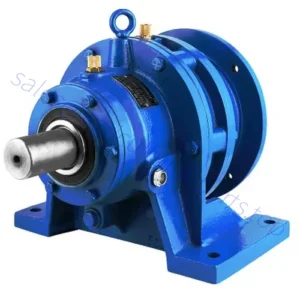
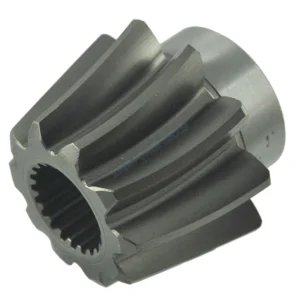
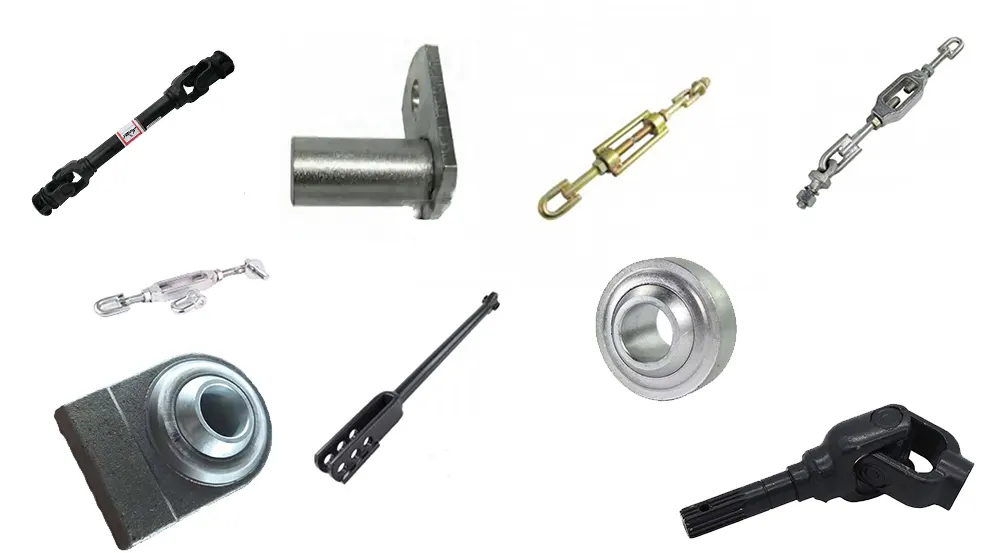
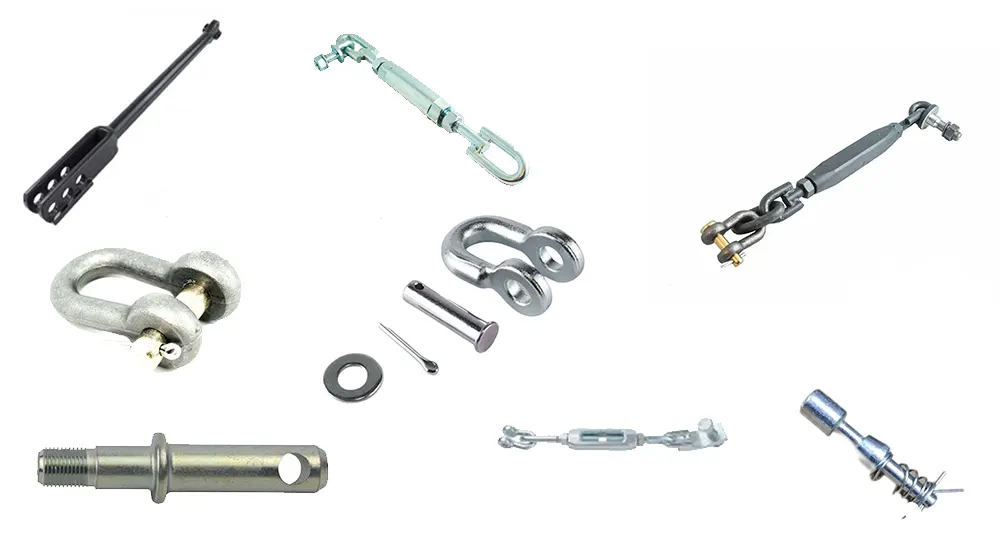
The 6-23-130-01 ball end comprises a threaded shank, spherical ball, and housing socket, often paired with tie rods, stabilizers, and hitch pins in Kubota systems. Related items include PTO shafts for power transmission, sprockets for chain drives, and gearboxes for speed regulation. These components work in tandem to support full tractor functionality, where a faulty ball end could strain shafts or misalign sprockets. For comprehensive maintenance, consider upgrading to compatible 3-point hitch kits that enhance attachment stability. Our inventory covers these, ensuring one-stop solutions for linkage repairs. PRR TRACTOR PART LIMITED PARTNERSHIP delivers high-caliber parts that match original specifications, offering seamless compatibility at competitive prices, blending quality with affordability for long-term value.
This range supports diverse repair needs, promoting efficient equipment upkeep.
Көп берилүүчү суроолор
What models of Kubota tractors does the 6-23-130-01 ball end fit?
This ball end is compatible with various Kubota series, including B, L, and M models such as the B7100, L2250, and M4700. Always cross-reference with your tractor’s manual or chassis number for exact fitment to avoid mismatches. In cases of uncertainty, measuring the thread size and ball diameter against specifications ensures accuracy.
How do I know if my ball end needs replacement?
Signs include excessive play in the steering, unusual noises during turns, or visible wear like cracks or corrosion. Perform a manual check by rocking the linkage; more than 2mm of movement indicates replacement. Regular inspections every 100 hours help catch issues early, preventing further damage to the steering system.
What tools are required for installation?
Basic tools include a metric wrench set, torque wrench for precise tightening, penetrating oil for rusted parts, and a grease gun for lubrication. A pry bar may help in removal, but use cautiously to avoid damaging rods. Following torque specs prevents over-stressing the threads.
Is this part compatible with original Kubota equipment?
Yes, it’s designed to meet or exceed OEM standards, ensuring direct fit without modifications. Materials and dimensions align with Kubota’s blueprints, providing equivalent performance and durability. This compatibility reduces installation time and maintains warranty conditions where applicable.
How often should I lubricate the ball end?
Lubricate every 50 operating hours or after exposure to water, using multi-purpose grease. This prevents dry friction and extends life by 30-50%. In dusty environments, more frequent application protects against abrasive particles entering the joint.
What is the expected lifespan of this ball end?
Under normal use, it lasts 1,000-2,000 hours, depending on load and conditions. Heavy-duty applications in rough terrain may shorten this; proactive maintenance can extend it. Factors like proper alignment during installation influence longevity.
Can I use this in wet or humid conditions?
Absolutely, with its corrosion-resistant finishing. However, seal the joint with grease to repel moisture. In Thailand’s rainy climate, this practice avoids rust buildup, ensuring reliable operation in paddy fields or during monsoons.
What warranty does PRR TRACTOR PART LIMITED PARTNERSHIP offer?
We provide a 12-month warranty against manufacturing defects, covering replacement or refund. Contact [email protected] with proof of purchase for claims. This assurance supports confident use in demanding agricultural tasks.
How does this part improve tractor efficiency?
By reducing friction in linkages, it enhances steering response and lowers fuel consumption. Smooth operation minimizes operator effort, allowing longer work sessions. In field tests, it contributes to 5-10% better maneuverability in tight spaces.
Where can I purchase this ball end in Thailand?
Available through PRR TRACTOR PART LIMITED PARTNERSHIP at our address: 304/1170 Soi Phahonyothin 49/1, Intersection 6, Talat Bang Khen Subdistrict, Lak Si District. Order via email or visit for in-person service. We ship nationwide for convenience.
Кардарлардын сын-пикирлери
“Swapped this ball end into my old Kubota B7100 last season. It fit right in without any hassle, and the steering feels smoother now. Been through some rough paddies, and it’s still going strong.”
– Farmer in Chiang Mai, Thailand
“On my L2250, the original part wore out after years. This replacement is decent—lightweight and holds up to daily use. Installation took about 20 minutes with basic tools.”
– Orchard owner, Bangkok outskirts
“Works fine on my M4700 tractor. Noticed less play in the linkages after fitting it. It’s been reliable through the wet season, no rust issues so far.”
– Rice farmer, Ayutthaya
“Needed a quick fix for my Kubota’s steering rod. This ball end matched perfectly and hasn’t given me any trouble. Good value for what it does.”
– Smallholder, Nakhon Ratchasima
“Put it on my B series tractor for hitch work. It’s sturdy enough for towing, and the natural finish blends in well. No complaints after a few months.”
– Vegetable grower, Surat Thani