
Spécifications du produit
Spline shafts in tractor applications, particularly in PTO systems, require precise specifications to ensure longevity and safe operation. For Kubota tractors, widely used in Thailand’s agricultural sector, the spline shaft specifications are critical for determining maintenance intervals. Below is a detailed table outlining key parameters for a standard Kubota PTO spline shaft, such as those in the L Series or M Series models, sourced from official Kubota documentation. These specifications guide maintenance schedules by highlighting durability factors like material strength and torque capacity. Regular adherence to these specs helps prevent premature wear, especially under Thailand’s variable field conditions involving dust, moisture, and heavy loads.
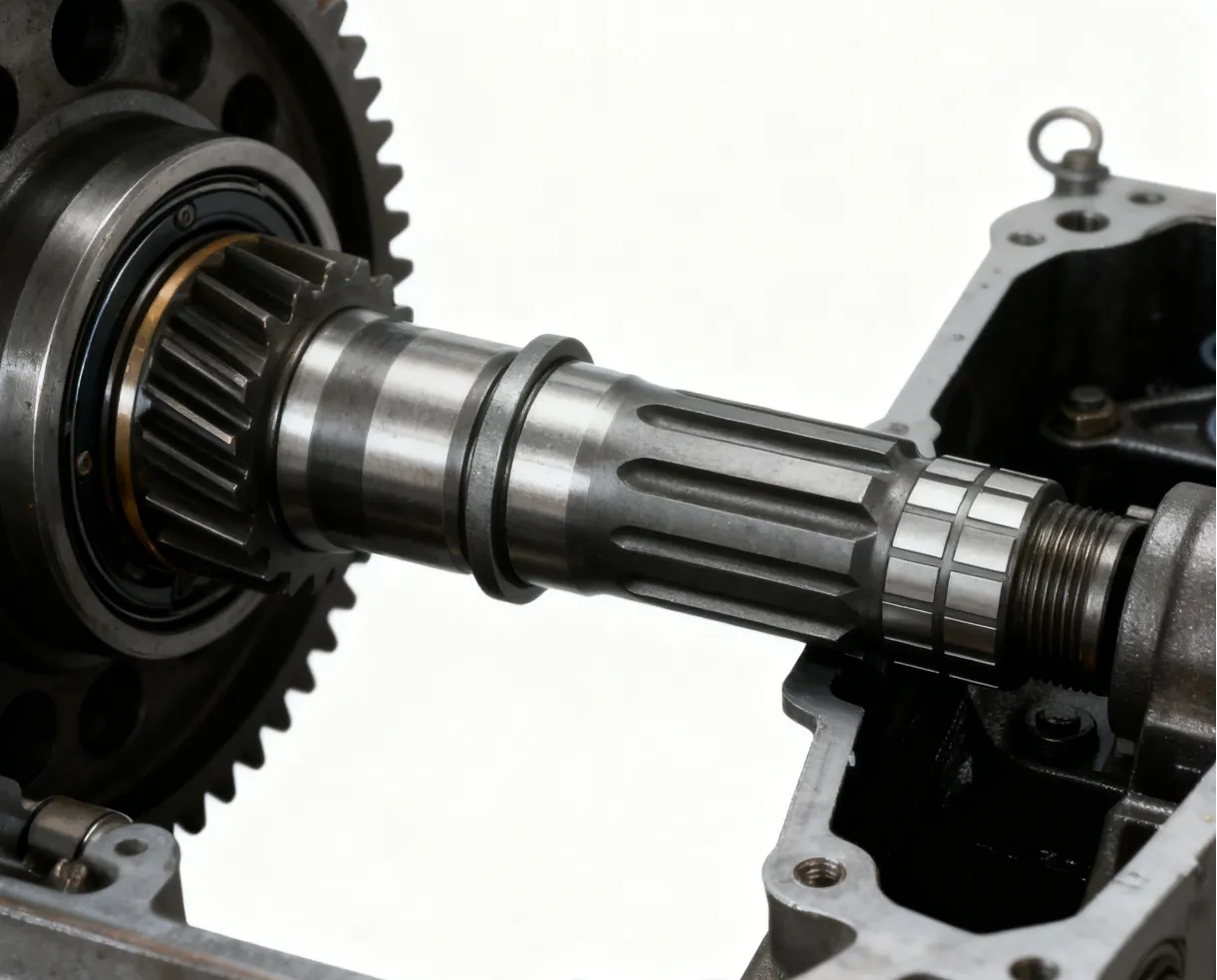
| Paramètre | Spécification |
|---|---|
| Shaft Diameter | 1-3/8 inches (35 mm) SAE Standard |
| Number of Splines | 6 Splines |
| PTO Speed | 540 RPM / 1000 RPM (Dual-Speed Models) |
| Matériel | High-Strength Alloy Steel (Hardened) |
| Torque Capacity | Up to 150-200 Nm (Model Dependent) |
| Spline Type | Involute Profile |
| Length Range | Adjustable, Typically 1-2.5 Meters |
| Traitement de surface | Phosphating or Black Oxide Coating |
| Poids | Approximately 10-20 kg (Length Dependent) |
These specifications indicate the robust design of Kubota spline shafts, capable of withstanding high torque and frequent engagement. Maintenance intervals should align with these parameters; for instance, the involute profile and hardened steel resist wear but require periodic lubrication to maintain performance. In Thailand’s humid and dusty environments, adhering to these specs is essential for extending service life and preventing costly failures during peak farming seasons.
Introduction to Spline Shaft Maintenance
Spline shafts, integral to tractor PTO and transmission systems, require regular maintenance to ensure reliable torque transmission and prevent premature failure. In Kubota models, these shafts connect the tractor to implements, enduring high loads and frequent engagement. Proper maintenance involves lubrication, inspection, and cleaning to mitigate wear from friction, dust, and corrosion. In Thailand’s agricultural settings, where tractors operate in muddy paddy fields and dusty orchards, environmental factors accelerate degradation. Regular checks help identify issues like spline wear or misalignment early, avoiding costly downtime. Maintenance frequency depends on usage intensity, operating conditions, and load; heavy-duty applications demand more frequent attention. Understanding these requirements is essential for optimizing equipment longevity and maintaining operational efficiency in demanding farming environments.
Factors Influencing Maintenance Intervals
Several factors determine how often spline shafts need maintenance or replacement. Operating hours are primary; light-duty use may require checks every 100-150 hours, while intensive applications in Thailand’s wet seasons demand intervals as short as 50 hours. Environmental conditions, including high humidity, dust, and chemical exposure from fertilizers, accelerate corrosion and wear. Load and torque levels also play a role; exceeding rated capacity shortens life. Spline engagement frequency affects wear on the involute profile. Tractor model specifics, such as Kubota’s hardened steel construction, influence durability. Operator habits, like proper alignment and greasing, impact intervals. Regular monitoring of these factors allows for tailored schedules, preventing unexpected failures and optimizing maintenance costs in agricultural operations.
Recommended Maintenance Schedule
A recommended maintenance schedule for spline shafts balances preventive care with operational demands. Daily visual inspections for damage or contamination should occur before use. Lubrication with high-quality grease is advised every 50-100 operating hours, focusing on spline teeth and yoke connections. Thorough cleaning and re-greasing every 200 hours removes debris and ensures smooth operation. Comprehensive inspections, including spline wear measurement with calipers, are recommended every 500 hours or annually. In Thailand’s climate, more frequent checks during monsoons prevent corrosion buildup. Replacement is advised when spline wear exceeds 10% of original depth or when play develops. This schedule, aligned with Kubota guidelines, minimizes risks and extends component life significantly.
Signs Indicating Replacement
Recognizing signs of spline shaft wear is crucial for timely replacement. Excessive play or looseness during engagement indicates spline tooth wear. Unusual noises, such as grinding or clunking, suggest misalignment or damage. Visible grooves, pitting, or rust on splines signal corrosion or fatigue. Vibration during operation points to imbalance from wear. Reduced power transfer to implements, like sluggish tiller performance, indicates slippage. In Thailand’s harsh conditions, accelerated wear from dust and moisture may cause these symptoms earlier. Prompt replacement upon detection prevents secondary damage to gearboxes or PTO systems, maintaining overall tractor reliability and safety.
Politiques relatives aux produits locaux en Thaïlande
Thailand’s policies ensure spline shaft quality and safety through TISI certification under TIS 2513-2552, mandating compliance with durability standards. Import regulations offer reduced tariffs for ASEAN-sourced parts, supporting access to reliable Kubota-compatible components. BAAC subsidies assist farmers in purchasing certified items, encouraging timely maintenance. The Agricultural Machinery Act B.E. 2550 requires equivalent replacements to OEM specifications, preventing substandard parts. Environmental guidelines promote corrosion-resistant materials. In districts like Lak Si, local enforcement emphasizes proper fitment and maintenance, enhancing agricultural efficiency and reducing equipment failures.
Key Components and Maintenance Requirements
These components require targeted maintenance; at PRR TRACTOR PART LIMITED PARTNERSHIP, we provide high-quality, OEM-compatible spline shafts at competitive prices, ensuring reliability for Thai farmers.
Replacement Considerations and Costs
Replacement intervals typically range from 2,000 to 5,000 operating hours, depending on conditions. In intensive use, replacement may occur sooner. Costs vary by model and supplier; Kubota-compatible shafts range from ฿5,000-15,000. Factors like material quality and warranty affect pricing. Early replacement prevents cascading failures. In Thailand, local suppliers offer competitive rates and quick service. Proper installation ensures longevity, maximizing investment value.
FAQ
How often should spline shafts be lubricated?
Every 50-100 operating hours, or more frequently in dusty conditions.
When should a spline shaft be replaced?
When wear exceeds 10% or play develops; typically 2,000-5,000 hours.
What signs indicate spline shaft wear?
Grinding noises, vibration, or reduced power transfer.
How does usage affect maintenance intervals?
Heavy loads shorten intervals to 50 hours; light use extends to 150 hours.
What lubricant is recommended?
High-quality multi-purpose grease meeting Kubota specifications.
How does environment impact maintenance?
Humidity and dust require more frequent checks and cleaning.
What policies regulate spline shaft maintenance in Thailand?
TISI standards and Agricultural Machinery Act require regular compliance checks.
How to inspect spline wear?
Use calipers to measure tooth depth; compare to original specs.
What is the typical replacement interval?
2,000-5,000 hours, depending on usage and conditions.
Where to source replacement spline shafts?
PRR TRACTOR PART LIMITED PARTNERSHIP at [email protected], Lak Si District.