
Ürün Açıklaması
OEM Complex Non – Standard Agricultural Equipment Parts According To The Drawings
Ürün Bilgileri
Ürün Bilgileri:
| 1 | İşletme Türü: | Özel CNC Frezeleme Hizmeti (3 eksenli, 4 eksenli, 5 eksenli) Özel CNC Tornalama Hizmetleri EDM Wire-EDM |
| 2 | Standart: | JIS, ANSI |
| 3 | Ürün Yelpazesi: | Otomobil parçaları, rüzgar enerjisi üretim ekipmanı aksesuarları, acil servis sıvıları, tıbbi cihaz ve aletler, standartlaştırılmış özel üretim, motosiklet parçaları, makine parçaları, aydınlatma bileşenleri, donanım aksesuarları, elektrik motoru ürünleri vb. |
| Tarım makineleri, elektrikli ev aletleri, mobilya donanımı | ||
| 4 | Malzemeler: | 1.Paslanmaz çelik: SS201, SS303, SS304, SS316 vb. |
| 2.Karbon Çelik: AISI 1045, 9SMnPb28 vb. | ||
| 3.Pirinç: C36000 (C26800), C37700 (HPb59), C38500(HPb58), C27200(CuZn37), C28000(CuZn40) vb. | ||
| 4.Bronz:C51000, C52100, C54400, vb. | ||
| 5.ÜtüGri dökme demir ve sünek dökme demir | ||
| 6.Alüminyum:6061, 6063, 7075, 5052 vb. | ||
| 7.Magnezyum Alaşımı: AZ31, AZ61, AZ91 | ||
| 8.PlastikPEEK, POM, NAYLON, TEFLON, ABS…vb. | ||
| 9.Titanyum: TC4 | ||
| 5 | İşleme: | Tornalama, Frezeleme, Delme, Taşlama, Temizleme, |
| 6 | Ana ekipmanlar | CNC torna tezgahı, CNC freze tezgahı, Presleme makinesi, |
| Otomatik torna tezgahı, taşlama makinesi, kılavuz çekme makinesi | ||
| Delme makinesi…vb. | ||
| 7 | Ölçme ve Test Ekipmanları | CMM, Profil Projeksiyon Cihazı, Rockwell Sertlik Ölçer, CZPT Sertlik Ölçer, Yüzey Pürüzlülüğü Ölçer, Mikrometreler, Yükseklik Ölçer, Kumpaslar… vb. |
| 8 | Kesinlik: | İşleme Hassasiyeti: +/- 0,005 mm |
| Taşlama Hassasiyeti: +/- 0,005 mm | ||
| Yüzey Pürüzlülüğü: Ra0.8 | ||
| Paralellik: +/- 0,005 mm | ||
| Dikeylik: +/- 0,005 mm | ||
| Eşmerkezlilik: 0,003 mm | ||
| 9 | Yüzey İşlemi: | Parlatma, Çapak Alma, Krom Kaplama, Nikel Kaplama, Çinko Kaplama, Gümüş Kaplama |
| Çeşitli renklerde anotlama, karbonlama, nitrürleme, ısıl işlem vb... | ||
| 10 | Minimum Sipariş Miktarı | 1 ~10000 adet. |
| 11 | DRW Formatı: | DWG, PDF, IGS, STEP, SLDPRT, SLDDRW, PRT, DRW, DXF, X_T, vb… |
| 12 | Kalite Kontrol Sistemi: | 100% Sevkiyat öncesi kontrol |
| 13 | Sertifika | ISO9001: 2015, SGS Fabrika Denetimi |
| 14 | Ödeme Şartı: | 30% T/T + 70% T/T, Western Union, PayPal, L/C |
| 15 | Ticaret Şartları: | FOB, CIF, L/C |
| 16 | Kurşun zamanı: | Onaydan 7-45 gün sonra |
| 17 | Numune Teslim Süresi: | 3-7 İş Günü |
| 18 | Taşıma Paketi: | Köpük/ahşap kutu, pas önleyici kağıt, küçük kutu ve karton, paletler… vb. |
| 19 | Köken: | Çin |
| 20 | Avantajlarımız: | Güvenilir Kalite |
| Rekabetçi Fiyat | ||
| Yüksek hassasiyet, yüksek kalite, yüksek doğruluk | ||
| Sürekli İyileştirme | ||
| Kusursuz Ürünler | ||
| Zamanında Teslimat | ||
| Müşteri Memnuniyeti | ||
| Mükemmel Satış Sonrası Hizmet |
Üretim Süreci
Şirket Profili
JieChen Precision Manufacturing Co., Ltd, profesyonel bir hassas işleme parçaları üreticisidir. Hassas işleme parçalarının işlenmesi, hassas takımlar, kalıp ve fikstürler, otomasyon ekipmanlarının tasarımı ve üretimi konusunda uzmanlaşmıştır.
Şirket, 2012'deki kuruluşundan bu yana yüksek bir hızla gelişmektedir. Şimdi geniş bir atölye alanına ve birçok gelişmiş üretim ekipmanına ve hassas ölçüm cihazına sahiptir.
Müşterilerimiz Avrupa, Amerika Birleşik Devletleri, Japonya, Almanya, İngiltere ve Çin anakarasındaki uluslararası tanınmış işletmelere dağıtım yapmaktadır. Şirket, insan kaynakları geliştirme ve eğitimine odaklanarak çalışanlar için geniş bir gelişim alanı sağlamaktadır.
Ürünlerimiz savunma, havacılık, elektronik, tıp, yarı iletken, otomasyon ve diğer sektörleri kapsamaktadır. Parça çeşitliliği, yüksek hassasiyet, büyük ve orta ölçekli seri üretim parçalarıyla, ürün hassasiyeti 0,002 mm'ye ulaşmakta ve ISO, ASME, DIN, JIS kalite sistemlerine uygunluk göstermektedir.
JieChen Precision – Doğru Seçiminiz!
Kalite Kontrol Standartları
Müşteri beklentilerini sürekli olarak aşmak için, kalite kontrol ve güvencesi şu yollarla sağlanır:
Kapsamlı yazılı prosedürler ve politikalar
Tam donanımlı denetim departmanı
Gelen ham maddelerin ayrıntılı kayıtları
Muayene araçlarının tutarlı kalibrasyonu ve etiketlenmesi
Uygunsuzlukların temel nedeninin analizi.
Personelin yöntemlerde, malzemelerde ve tedarikçilerde iyileştirmeler talep etmesi şiddetle teşvik edilmektedir.
Sertifikalar
Başvuru talimatları
Paketleme ve Nakliye
SSS
S: Siz bir ticaret şirketi misiniz yoksa üretici misiniz?
A: Biz, deneyimli mühendis ve çalışanlara sahip, iyi organize edilmiş bir atölyesi olan doğrudan üretim yapan bir fabrikayız.
S: Teslimat süreniz ne kadar?
A: Ürün stokta varsa genellikle 5-10 gün, stokta yoksa miktara bağlı olarak 15-20 gün sürer.
S: Numune veriyor musunuz? Ücretsiz mi yoksa ücretli mi?
A: Evet, numune ücreti ürünün geometrisine bağlıdır ve bu ücret toplu siparişinize yansıtılacaktır.
S: Numuneyi ne kadar sürede alabilirim?
A: Parçanızın geometrisine bağlı olarak, normalde 3-7 gün içinde.
S: Teslimat süreniz ne kadar?
A: Numune 3-7 gün; Seri üretim siparişi miktara ve parça karmaşıklığına bağlı olarak 7-45 gün sürer.
S: Ödeme koşullarınız nelerdir?
A: Ödeme = 1000 USD, 30% T/T peşin, kalan bakiye sevkiyattan önce.
S: Fiyat teklifi için ne tür bilgilere ihtiyacınız var?
A: Lütfen ürünün 2 boyutlu çizimini PDF veya DWG formatında, 3 boyutlu çizimini ise STEP, IGS veya X_T formatında sağlayın. Ayrıca yüzey işlemi, miktar vb. diğer gereksinimleri de belirtin.
S: Standart satın alma siparişi (PO) tedarik süreç akışınız nedir?
A: Prototipleme —> FA onayı —> Kalite Kontrol Planı —> Üretim Süreci Talimatı —> Seri Üretim —> Muayene —> Sevkiyat
S: Çizimlerimiz yoksa ne yapmalıyız?
A. Lütfen numunenizi fabrikamıza gönderin, böylece kopyalayabilir veya size daha iyi çözümler sunabiliriz. Lütfen bize boyutlarıyla (Uzunluk, Yükseklik, Genişlik) birlikte resim veya taslak gönderin, sipariş verdiğiniz takdirde sizin için CAD veya 3D dosyası hazırlanacaktır.
S: Çizimlerim size gönderildikten sonra güvende olacak mı?
A: Evet, çiziminizi almadan önce gizlilik sözleşmesini imzalayabiliriz ve izniniz olmadan üçüncü şahıslarla paylaşmayacağız.
S: Şirketinizi ziyaret etmeden ürünlerimin durumu hakkında bilgi edinmem mümkün mü?
A: Size detaylı bir üretim programı sunacağız ve dijital resim ve videolar içeren haftalık raporlar göndereceğiz.
işleme ilerlemesini göster
S: OEM hizmetlerinden nasıl yararlanabilirim?
A: Genellikle, tasarım çizimlerinize veya orijinal örneklerinize dayanarak, bazı teknik öneriler ve fiyat teklifi sunuyoruz.
Sizin onayınızdan sonra, sizin için üretiyoruz.
Başka bir sorunuz varsa, lütfen bizimle iletişime geçmekten çekinmeyin.
Preventative Maintenance on Tractor Parts
You should not take your tractor out of commission by replacing the parts that are not working properly. You should be proactive about maintaining your tractor parts to ensure that they work well and are of the highest quality. You should also check if the company is 10 years old or more, as this will ensure that they have enough experience to handle warranty issues and any other problems. Lastly, you should check if the tractor parts company has a good reputation. Having a long standing company that is available around the clock is a plus.
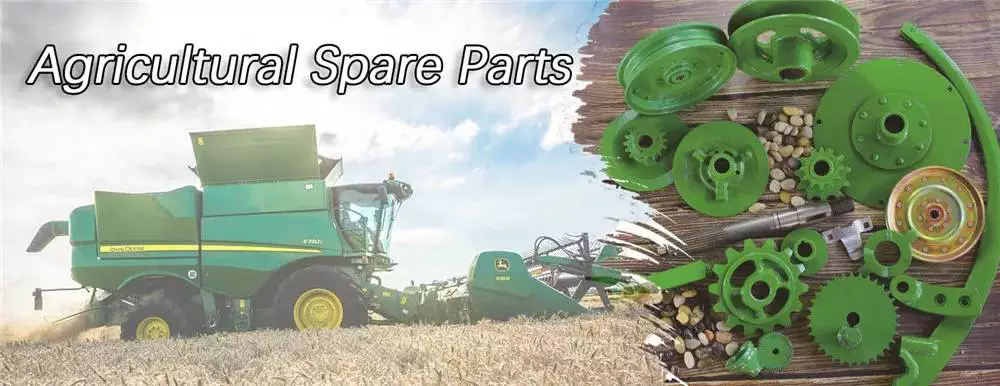
Preventative maintenance of tractor parts
Performing preventative maintenance on tractor parts will help you avoid unexpected breakdowns and enhance its efficiency. Whether you’re the sole owner of a tractor or a part-owner, you should know which parts you need and where to find them. Having spares available is also important, as they can help you solve problems quickly. Listed below are some of the parts you need to know about. These components are essential for your tractor’s engine.
To maintain your tractor’s internal components, check for wear. Lubricate internal parts regularly to reduce friction. When possible, bring your tractor to a dealer for a thorough inspection. Additionally, remember to keep the tractor’s air filter clean. Dust in the air strains the tractor’s engine, and a dirty air filter can cause a lot of damage. By following the manufacturer’s instructions for proper maintenance, you can avoid costly repairs down the road.
For oil changes, check the owner’s manual for recommended oil change intervals. Make notes in the manual about the parts you’ll need. You can also refer to the manufacturer’s PM checklist. Depending on the type of tractor you own, you may need to change the oil once a year or more often. To keep your tractor running optimally, drain old oil after every use. The same goes for hydraulic fluid. Over time, it can become contaminated with particles and water. Therefore, it’s best to change it every year.
Modern tractors use a cooling system with fans and radiators. This system operates in varying temperatures and if it breaks down, you risk damaging the engine’s core parts. In addition, you should store your tractor’s battery under climate control. A battery maintainer can be purchased at any auto parts store. It’s a great idea to regularly inspect your tractor’s engine for problems as early as possible.
Types of tractor clutches
In a modern tractor, there are many types of transmission systems, and this article compares the pros and cons of each type. The original drive system of tractors relied on a clutch to change gears and range and engage/disengage the PTO drive. The clutch was usually a two-stage design; a full depression disengaged all drive systems while a partial depression only disengaged the gearbox. Today, these systems are independent.
The friction plate is a steel plate with a splined central hub. It features annular friction facings and is held between the flywheel and pressure plate. It has splines that limit its axial travel along the gearbox’s driving shaft and dampen torsional vibrations. Single-plate clutches are most commonly used in heavy agricultural equipment. While they were initially developed as a cost-effective alternative to drum brakes, they quickly gained popularity due to their low price and ease of use.
Another type of tractor clutch is the wrap-spring. These use a special cast-iron spring. This spring is able to transmit torque to the driven plate when the tractor is operating at normal engine speed, while the clutch springs help transmit torque to the driven plate when the engine is running at high engine speeds. The wrap-spring clutches must be lubricated with light oil and should be checked for deterioration after a few years.
The advantages and disadvantages of these types of clutches are explained briefly. They are generally made from high-quality materials and contain a high copper content. They have high-friction properties and can transfer heat effectively to the engine. The friction coefficient of these types of clutches ranges from 0.33 to 0.4. As a result, they are the best choice for intensive applications. In conclusion, there are many advantages and disadvantages of each type of tractor clutch.
Types of tractor transmission gears
There are several different types of tractor transmission gear. One of the most common is hydrostatic. A hydrostatic transmission works like a standard manual transmission, and operates with a pedal. To operate a hydrostatic transmission, you simply select the gear and engine speed you want, push the pedal, and the hydraulic oil turns the gears. Because this type of transmission is clutchless, it provides smooth forward/backward operation without the need for a manual shifter.
Tractor transmissions come in several types and have different features. Some of these systems are better for certain types of work than others, and you’ll find different types depending on the size and type of your tractor. Many tractors have 2 types of transmissions: geared speed and power shift. Each type offers different benefits, and they vary in cost and ease of use. There’s a geared speed transmission, a synchromesh transmission, and a power shift transmission.
A CVT (continuously variable transmission) is another popular option. Like hydro, CVTs use a belt to transfer power from the engine to the wheels. These tractors can shift gears with little effort. These tractors can reach up to 4 speeds without the need for a clutch. Powershift transmissions are simpler and more durable than CVTs. They’re also easier to repair. But a CVT may be the better choice for your farm tractor.
Hydrostatic and power shuttle transmissions allow you to shift gears and direction without the use of a clutch. Hydrostatic transmissions are usually hydraulically actuated, which makes it easy to change gears without using the clutch. Similarly, power shuttle transmissions are great for heavy-duty forward-and-reverse shifting. In either case, the clutches are hydraulically actuated and bathed in oil.
Types of CZPT fittings
In a nutshell, there are 2 types of CZPT fittings: standard and grease-fill. Standard CZPTs have 3 to 4 pumps of grease per fitting. Grease-filled CZPTs tend to attract dirt, dust, and sand, which can damage moving parts. Keeping these parts clean is crucial to their long-term performance. Using a rag to wipe off excess grease is an excellent way to ensure that the seals remain as sealed as possible.
There are different types of grease-filling tools available. Some are specifically designed to clear blocked CZPTs. These tools are used to fill the CZPT fitting with grease or diesel fuel and hit the fitting with a hammer. Be sure to use high-quality fitting rejuvenators, as cheap ones are less effective. These are also harder to find than grease-filling tools. To avoid these issues, use the proper tools when servicing your tractor.
CZPT fittings are used for many different kinds of tractor parts. You may find them on lawn equipment, construction equipment, and farming equipment. If you are unsure of what type your equipment has, ask your local CZPT dealer or visit 1 of their 17,000 CZPT AutoCare locations. Don’t forget to regularly grease these parts for the best performance. When you don’t have time to do so, they can lead to costly repairs.
Standard CZPTs feature a dome-shaped nipple that makes it easy to spot. Flow-stop fittings feature a ball check valve that reduces backflow during lubrication. Drive-type CZPTs feature a special coupler with a cross-pin to provide a positive lock. This type of grease CZPT eliminates the need for tapping during servicing.
Preventative maintenance of tractor’s CZPT fittings
Proper grease application and regular inspections are important parts of CZPT fittings. If a CZPT becomes stuck in an opening, the ball may not be able to come out. Lubrication around CZPTs is important as grease can damage the components and cause bigger problems. A tractor’s CZPT fittings are part of the tractor’s electrical system, so it is important to replace them when they become damaged.
Grease CZPTs allow the addition of grease at the manufacturer’s specifications. These fittings consist of a spring and metal ball inside a nipple. The grease gun compresses the spring and releases the ball from the nipple opening. Grease CZPTs are essential parts of heavy equipment, as a failed grease CZPT may cause brake failures and other systems to fail. Failure to maintain these fittings can cause rollover accidents.
Greasing the CZPTs is a vital part of regular tractor maintenance. Greasing the CZPTs will prevent your tractor’s bearings from sticking and make your work easier. Grease the CZPTs on pivot points and joints to keep them lubricated and running smoothly. For easy grease application, consider using a battery-powered grease gun. Once you have lubricated the CZPTs, you can move on to other parts of the tractor.
In addition to grease, you should check for leaks on your tractor’s CZPTs regularly. If you notice dirt buildup, there might be a leak. You can also check for any worn hoses to avoid major problems. If there is a leak, tighten the fittings and replace worn ones as soon as possible to avoid further damage. By performing these tasks regularly, you can increase the efficiency of your tractor and avoid unexpected breakdowns.