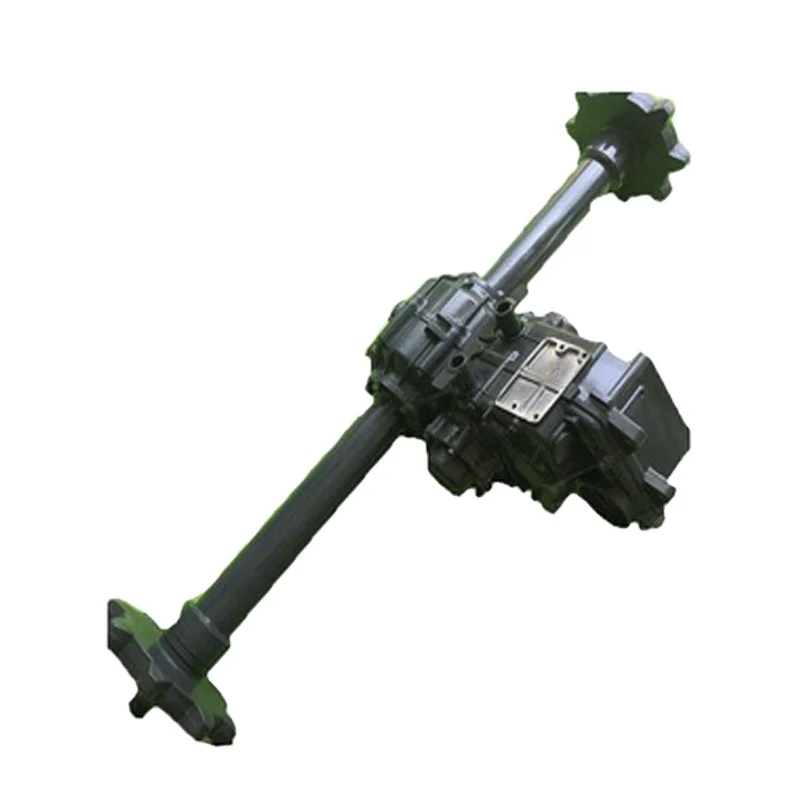
Karty
Wymiana części do Kubota
Produkt
GEARBOX
Kup teraz i skorzystaj ze zniżki.
Zdobądź do 10% zniżki
Wyświetlanie 1–8 z 16 wynikówPosortowane według najnowszych
-
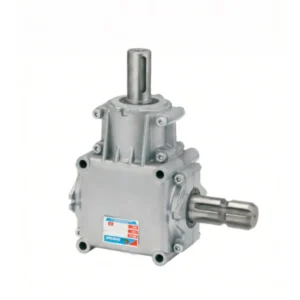
RV022(X) Aluminum Gearbox
-
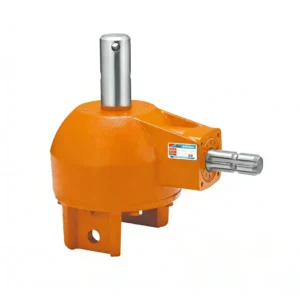
GT40U Gearbox for Efficient Tractor Power
-
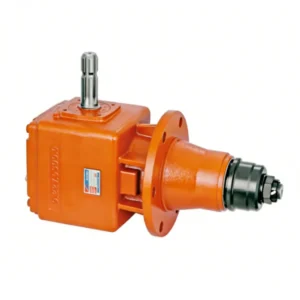
9.227.821 Gearbox: Robust Torque Solution
-

LF205 Gearbox: Reliable Power for Tractors
-
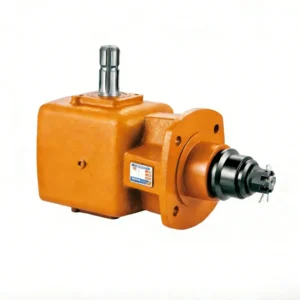
L-55 Orange High-Quality Durable Gearbox
-

High-Quality Replacement Gearbox for Kubota DC70G Harvester
-
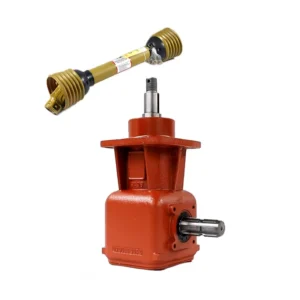
Farm Agricultural GearBox Tractor kubota Parts Rotary Mowers 90 degree 540 rpm Agriculture Tiller PTO Shaft Drive Bevel Gearbox
-
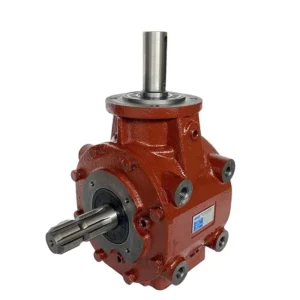
B313 kubota Tractor Parts Agriculture Tiller PTO Shaft Drive Bevel Gearbox
Wytrzymały Przekładnie rolnicze
Specialized replacement solutions for Kubota and global tractor implements. Engineered for durability, precision, and seamless transmisja mocy.
Dane techniczne
Based on standard Kubota M/L/B Series Implement Requirements
| Specyfikacja parametrów | Data / Standard |
|---|---|
| Applicable HP Range | 35 HP - 85 HP (Continuous Duty) |
| Input Shaft Speed (PTO) | 540 RPM (Standard) / 1000 RPM (Optional) |
| Gear Ratio Availability | 1:1.46 (Increaser) / 1:1.93 (Increaser) / 1.5:1 (Reducer) |
| Input Spline Type | 1-3/8" - 6 Spline (Standard SAE J1170) |
| Output Shaft Design | Tapered Spline with Castle Nut / 12-Spline / Keyed |
| Gear Material Hardness | HRC 58-62 (Carburized Alloy Steel) |
| Housing Construction | Ductile Iron QT450-10 (High Shock Resistance) |
| Lubricant Capacity | 1.2 Liters (Recommended SAE 90 / 85W-140) |
| Noise Level | < 85 dB at Full Load |
| Operating Temperature | -20°C to +120°C |
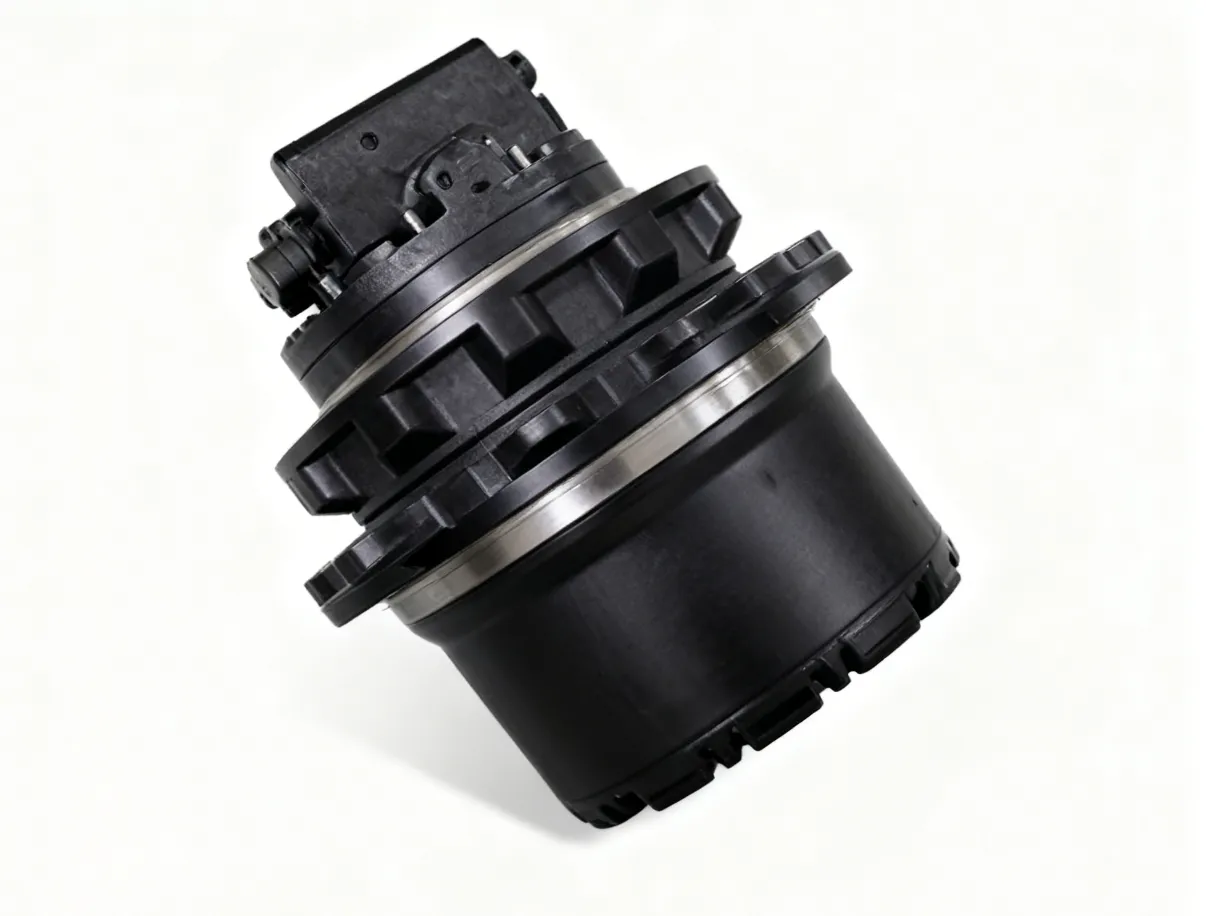
PRR Advantage: OEM Quality, Better Price
Our aftermarket parts are manufactured to strict ISO standards. We guarantee 100% compatibility with original Kubota mounting points while offering a 40% cost saving compared to dealership prices.
What is an Agricultural Gearbox?
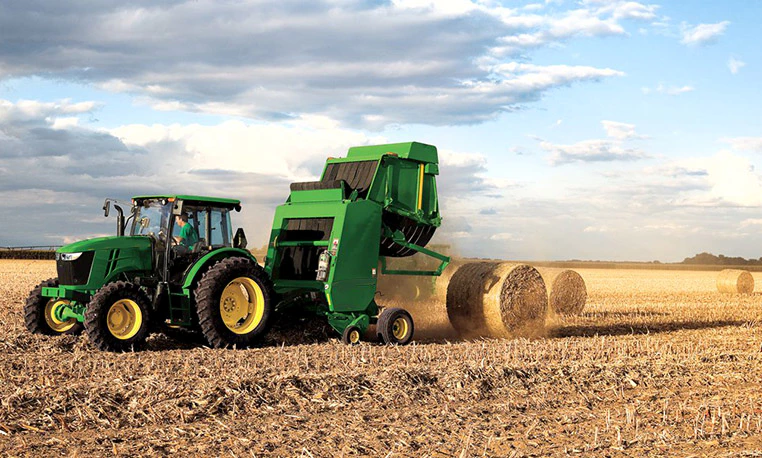
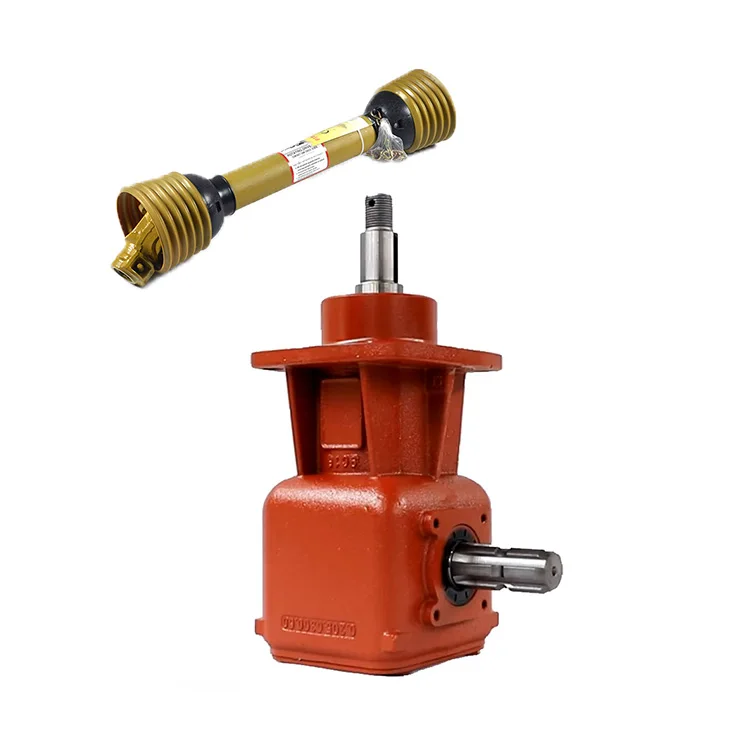
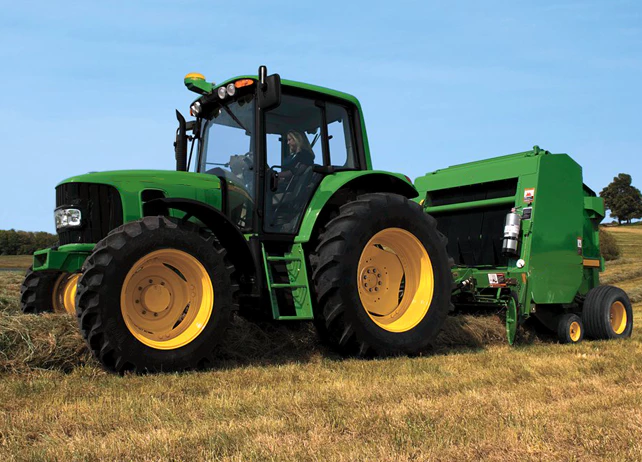
An agricultural gearbox is the critical mechanical interface that transfers power from the tractor to the implement. It connects directly to the PTO Shaft (Power Take-Off), converting the tractor's engine power into the specific torque and speed needed for mowers, rotary tillers, and post-hole diggers.
Key Component Breakdown
Working Principle: The Physics of Power
The agricultural gearbox operates on the principle of Torque Conversion and Directional Change. It is not merely a connector; it is a transformer of energy.
- Power Entry (The Drive): Kinetic energy enters via the PTO shaft at a standardized speed (usually 540 RPM). This rotates the input pinion gear.
- Transmission (The Mesh): The input pinion meshes with the crown gear (ring gear). Because these gears are bevelled (angled), they transfer the rotation 90 degrees—turning a horizontal shaft rotation into a vertical one (crucial for rotary mowers).
-
Ratio Modulation:
Speed Increaser: If the input gear is larger than the output gear, the blade spins faster than the tractor engine (e.g., for finishing mowers).
Speed Reducer: If the input gear is smaller, torque is increased while speed drops (e.g., for rototillers breaking hard soil).
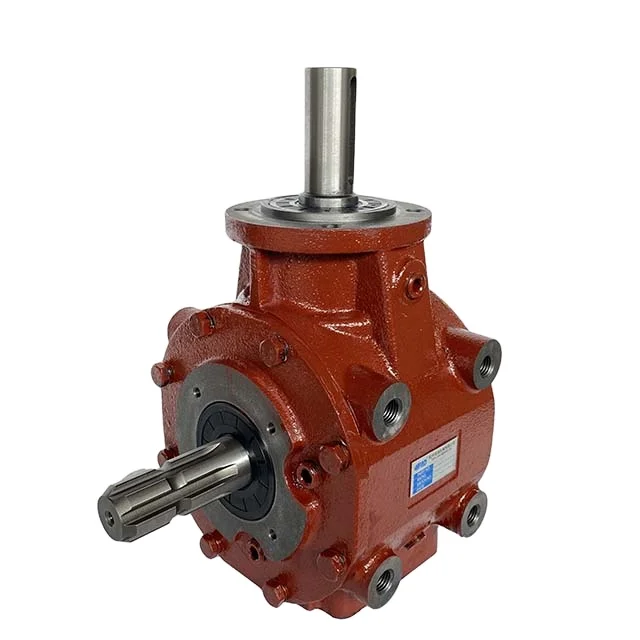
Internal Bevel Gear Configuration
Professional Maintenance & Care Guide
Jak wybrać odpowiednią skrzynię biegów
Choosing the wrong gearbox leads to catastrophic failure. Follow this 4-step engineering checklist:
1. Horsepower Rating (HP)
Always choose a gearbox rated higher than your tractor's PTO HP. If your tractor is 40HP, select a 50HP or 60HP gearbox to handle shock loads.
2. Gear Ratio Calculation
Check the implement requirements.
1:1.47 = Output spins faster (Mowers).
1.5:1 = Output spins slower (Tillers/Post Hole Diggers).
3. Shaft Configuration
Measure carefully:
Input: Usually 1-3/8" 6-Spline.
Output: Smooth (keyed) vs. Splined (12-tooth). A mismatch makes installation impossible.
4. Rotation Direction
Stand behind the tractor. Does the implement need to spin Clockwise (CW) or Counter-Clockwise (CCW)? This is determined by internal gear placement.
Często zadawane pytania
Are your gearboxes shipped pre-filled with oil?
No. For safety and shipping regulations, all gearboxes are shipped dry. You must fill them with the recommended SAE 90 gear oil to the correct level before operation, otherwise catastrophic damage will occur immediately.
How do I check if the gearbox is compatible with my specific Kubota model?
You need to check the bolt mounting pattern (distance between holes) and the shaft type. While we list compatible series (like L or B series), physically measuring your broken unit is the safest method. Contact us for a technical drawing comparison.
What is the difference between a shear bolt and a slip clutch gearbox protection?
A shear bolt is a simple bolt designed to snap if you hit a rock, disconnecting power. A slip clutch uses friction plates to "slip" under load and then re-engage. Gearboxes can be used with either, but the protection is usually on the PTO shaft, not inside the box.
Why is my gearbox leaking oil from the vent plug?
This usually means the gearbox is overfilled. As oil heats up, it expands. If there is no air gap, it forces oil out of the breather. Check the level plug; oil should just barely reach the threads of the check port.
Can I use a higher HP gearbox on a smaller tractor?
Yes, absolutely. Using a 60HP gearbox on a 30HP tractor adds durability and safety factor. However, never do the opposite (using a 30HP gearbox on a 60HP tractor), as the torque will destroy the gears.
Do you sell replacement internal parts like gears and shafts separately?
Yes. Unlike many suppliers who only sell full units, PRR Tractor Part stocks individual bevel gear sets, shafts, and seal kits, making long-term repair economical.
What is the typical lifespan of these replacement gearboxes?
With proper maintenance (oil changes and seal checks), our gearboxes typically last 800-1200 hours of operation, which is comparable to OEM lifespans.
How tight should the mounting bolts be?
For standard M12 or M14 bolts used on these boxes, torque them to 80-100 Nm. We strongly recommend using blue Loctite (thread locker) to prevent vibration from loosening them.
Is this gearbox suitable for reversible operation?
Most standard agricultural gearboxes are designed for one-way rotation. Running them in reverse for long periods can damage the oil seal lip design. Check specific model specs if bi-directional rotation is needed.
What is your warranty policy for international orders?
We provide a 12-month warranty on the main housing and gear set against manufacturing defects. We can ship replacement parts via air freight if a valid defect is confirmed.