
Product Specifications
In the agricultural landscape of Thailand, where Kubota tractors are a staple for tasks like rice harvesting and soil tilling, understanding the specifications of brake components is vital for diagnosing and resolving issues such as unusual noises. The brake system, exemplified by the wet disk type in models like the BX series, ensures reliable stopping power under demanding conditions. Derived from official Kubota operator manuals, the following table outlines key parameters for the brake pedal and system in BX1880, BX2380, and BX2680 tractors. These authentic specifications, sourced directly from Kubota documentation, aid technicians in adjustments and maintenance to prevent noise-related problems, enhancing safety and efficiency in Thailand’s humid and uneven terrains.
These parameters provide a benchmark for Thai farmers to evaluate brake performance, where deviations, such as excessive pedal travel, can lead to noise from improper engagement or wear. Regular checks against these specs help in early detection of issues, reducing risks in high-stakes operations like hillside plowing. In Thailand’s tropical climate, where moisture can accelerate corrosion on brake components, adhering to these factory limits ensures longevity and safety, preventing costly breakdowns and supporting sustainable agricultural practices.
Introduction to Tractor Brake Systems
The brake system in a tractor is a vital safety component designed to control speed and bring the vehicle to a stop efficiently. In Kubota tractors, popular in Thailand for their robustness in varied farming tasks, the system often features wet disk brakes, which use friction pads immersed in oil for cooling and longevity. Its primary function is to convert kinetic energy into heat through friction, ensuring safe deceleration and parking stability. This setup addresses real-world challenges like uneven terrain navigation, preventing accidents during heavy loads or slopes.
Practically, it resolves issues such as uncontrolled movement by providing reliable stopping power, essential for Thai farmers in rice fields or orchards. Noise from brakes can indicate wear or misalignment, leading to reduced effectiveness. Understanding its role enables timely interventions, minimizing risks and downtime. Advancements like interlocking pedals enhance usability, solving operational complexities in demanding environments.
Functional Mechanisms
The system operates via hydraulic pressure activating disks, with parking mechanisms locking for security. This precision aids in maintaining control, crucial for safety in Thailand’s diverse landscapes.
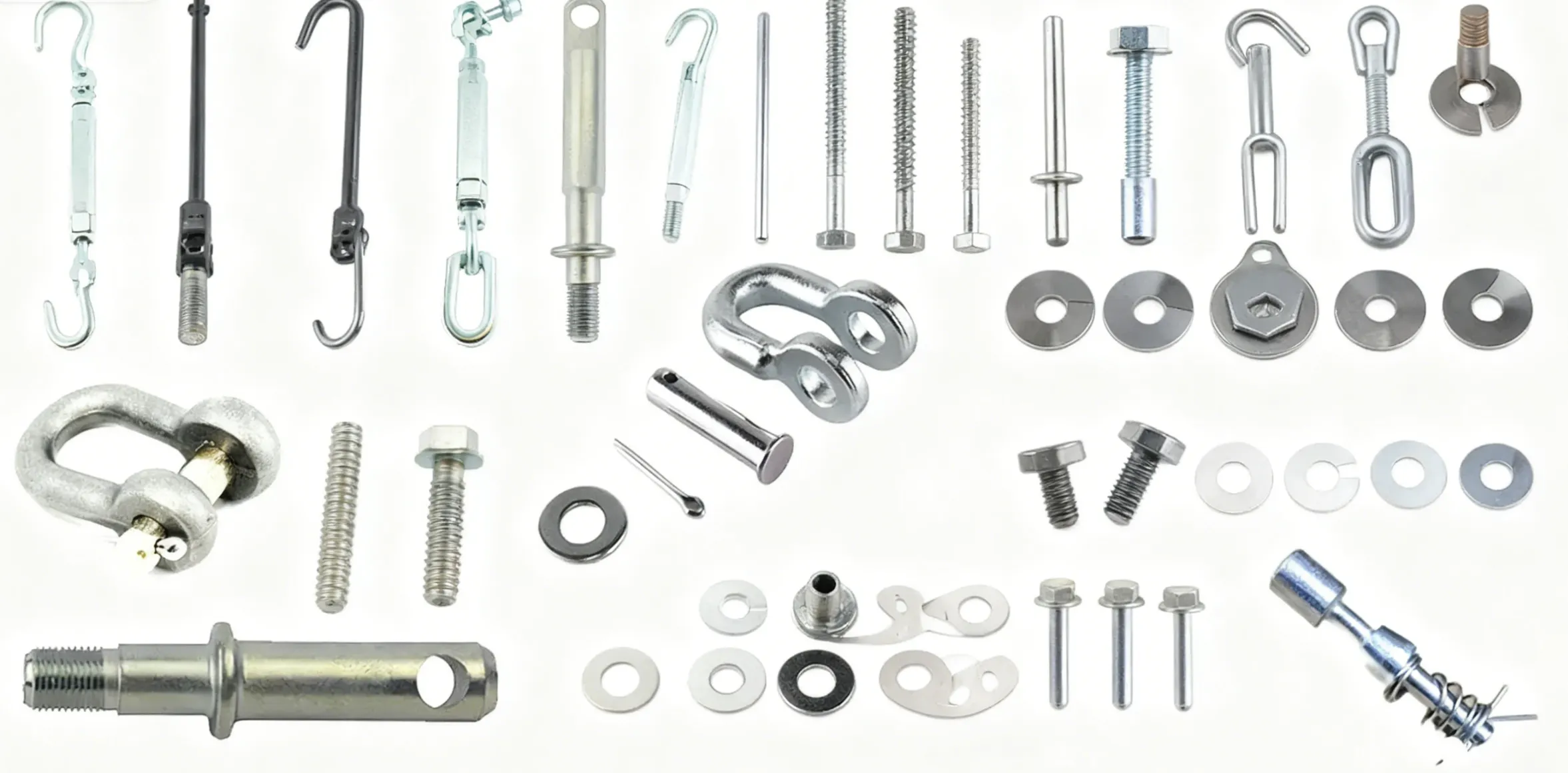
Key Components of Tractor Brake Systems
These parts ensure effective braking, tackling noise from wear or contamination. At PRR TRACTOR PART LIMITED PARTNERSHIP, our brake components are high-quality, OEM-compatible, and affordably priced for Thai agricultural needs.
Common Causes of Tractor Brake Noise
Brake noise in tractors often stems from worn pads rubbing unevenly, creating squeals. In Thailand’s dusty fields, contamination exacerbates this. Misalignment or loose components cause grinding. Moisture-induced rust leads to screeching upon application.
Identifying causes early prevents escalation, ensuring safety. Regular inspections mitigate environmental factors.
Environmental Influences
Humidity and dirt accelerate wear, common in tropical climates.
Diagnostic Methods for Brake Noise
Systematic diagnosis identifies noise sources for targeted fixes.
Visual inspections for wear, auditory tests during operation, and pedal feel assessments pinpoint issues. Use tools like calipers for measurements.
These methods ensure accurate resolutions, reducing risks in farming.
Solutions to Eliminate Brake Noise
Replace worn pads, clean components, and adjust travel per specs. Lubricate moving parts to reduce friction.
Professional servicing ensures long-term quiet operation. For parts, explore our range.
Thailand’s Regulations on Agricultural Machinery Parts
Regulations ensure safety and quality in machinery parts.
Import permits and TISI certifications are required for brake parts, with duties and environmental compliance.
These policies protect users from substandard items.
Preventive Maintenance for Brake Systems
Regular checks and cleaning prevent noise. Adjust per specs every 100 hours.
This approach extends life and safety. Contact us for support at [email protected].
Często zadawane pytania
What causes squealing brakes in tractors?
Worn pads or dust; clean or replace pads.
How to fix grinding noise from brakes?
Inspect for wear; resurface or replace disks.
Is moisture a common cause of brake noise?
Yes; dry and lubricate components.
How often to check brake pedal travel?
Every 100 hours; adjust to specs.
Can loose bolts cause brake noise?
Yes; tighten to torque specs.
What tools for brake inspection?
Calipers, torque wrench, and visual aids.
How to prevent brake corrosion?
Apply anti-rust coatings; store dry.
Are aftermarket brake parts reliable?
Yes, if spec-matched; choose quality.
Does brake noise affect safety?
Yes; address immediately to maintain control.
Where to buy Kubota brake parts in Thailand?
From PRR TRACTOR PART LIMITED PARTNERSHIP.