Descrizione del prodotto
Steel Forging is a drop forging process which involves the use of hammering or pressing techniques to alter the steel’s shape, maybe followed by heat treatment. This method produces in the steel a number of properties which distinguish it from other treatments of this metal, for example casting, where liquid metal is poured into a mold and then left to solidify.
Materials of Steel Forgings
steel forging materialStainless Steel (SS303, SS304, SS316, etc): Stainless steel forgings are composed of a ferrous alloy characterized by a “stainless” quality brought about by its protective oxide layer that helps the material resist corrosion. All stainless steel grades contain at least 10.5% chromium. Depending on the grade selected, stainless steel forgings resist crevice corrosion, stress cracking, pitting, heat deformation, and much more. There are 4 main types of stainless steel – duplex, austenitic, martensitic, and ferritic.
Carbon Steel (1571, 1035, 1045, A105, Q235, 20CrMnTi, etc): There are 4 main grades of carbon steel: low carbon steel, medium carbon steel, high carbon steel, and very high carbon steel. Depending on the amount of carbon present in the material, carbon steel forgings are hardenable by heat treatment to increase yield and impact strength as well as wear resistance.
Low or mild carbon steel contains 0.05% to 0.26% carbon and encompasses grades 1018 and 1571. The lower carbon content causes the material to be more ductile and less brittle, making mild carbon steel a good choice for forging. Medium carbon steel contains 0.29% to 0.54% carbon and includes steel grades 1141. Containing a higher level of manganese, medium carbon steel can be used in the quenched or tempered form for forged crankshafts and many other types of forgings. High carbon steel and very high carbon steel exhibit hardness as well as resiliency and are brittle due to their higher carbon contents, between 0.55% and 2.1%.
Alloy Steel (20Cr, 20CrMo, 30CrMo, 35CrMo, 42CrMo, etc): Alloy steels encompass a wide range of iron-based metals which contain higher levels of chromium that do not exceed 3.99%. Metals that contain greater amounts of chromium are classified either as tool steels or stainless steels. Alloy steels vary in their alloying elements which determine the properties of a particular material.
Properties of Steel Forgings
Strong & Durable : Steel forgings have a generally higher strength and are typically tougher than steel processed in other fashions. The steel is less likely to shatter on contact with other objects for example, making forged steel highly suitable for items such as swords. This increased strength and durability is a result of the way in which the steel is forced into shape – by pressing or by hammering – during the forging process. The steel’s CZPT is stretched by this process, and ends up aligned in 1 direction, as opposed to being random. Following the pressing or hammering, the forging is cooled in water or oil. By the end of the process, the steel is stronger than it would have been had it been cast, for example.
Anisotropic: A steel forging’s strength isn’t consistent all the way through; instead, steel forgings are anisotropic, which means when the metal is worked on and deformation occurs, the steel’s strength is greatest in the direction of the resulting CZPT flow. This results in steel forgings which are strongest along their longitudinal axis, while in other directions, the forging will be weaker. This differs from steel castings, which are isotropic and therefore have almost identical properties in all directions.
Consistency Between Forgings: Since the process of forging is controlled and deliberate, with each forging undergoing the same steps, it’s typically possible to ensure a consistent material over the course of many different forgings. This is in contrast to cast steel, which is more random in nature due to the processes used.
Limit on Size: During the forging process, it’s more difficult to shape the metal, since forging occurs while the steel is still solid, unlike in casting where the metal has been reduced to its liquid form as part of the process. Since the metallurgist working with the steel will have more difficulty altering the metal’s shape, there’s a limit on the size and the thickness of the steel which can be successfully forged. The larger the metal section being worked on, the harder it is to forge.
Steel Forging is a drop forging process which involves the use of hammering or pressing techniques to alter the steel’s shape, maybe followed by heat treatment. This method produces in the steel a number of properties which distinguish it from other treatments of this metal, for example casting, where liquid metal is poured into a mold and then left to solidify.
Materials of Steel Forgings
steel forging materialStainless Steel (SS303, SS304, SS316, etc): Stainless steel forgings are composed of a ferrous alloy characterized by a “stainless” quality brought about by its protective oxide layer that helps the material resist corrosion. All stainless steel grades contain at least 10.5% chromium. Depending on the grade selected, stainless steel forgings resist crevice corrosion, stress cracking, pitting, heat deformation, and much more. There are 4 main types of stainless steel – duplex, austenitic, martensitic, and ferritic.
Carbon Steel (1571, 1035, 1045, A105, Q235, 20CrMnTi, etc): There are 4 main grades of carbon steel: low carbon steel, medium carbon steel, high carbon steel, and very high carbon steel. Depending on the amount of carbon present in the material, carbon steel forgings are hardenable by heat treatment to increase yield and impact strength as well as wear resistance.
Low or mild carbon steel contains 0.05% to 0.26% carbon and encompasses grades 1018 and 1571. The lower carbon content causes the material to be more ductile and less brittle, making mild carbon steel a good choice for forging. Medium carbon steel contains 0.29% to 0.54% carbon and includes steel grades 1141. Containing a higher level of manganese, medium carbon steel can be used in the quenched or tempered form for forged crankshafts and many other types of forgings. High carbon steel and very high carbon steel exhibit hardness as well as resiliency and are brittle due to their higher carbon contents, between 0.55% and 2.1%.
Alloy Steel (20Cr, 20CrMo, 30CrMo, 35CrMo, 42CrMo, etc): Alloy steels encompass a wide range of iron-based metals which contain higher levels of chromium that do not exceed 3.99%. Metals that contain greater amounts of chromium are classified either as tool steels or stainless steels. Alloy steels vary in their alloying elements which determine the properties of a particular material.
Properties of Steel Forgings
Strong & Durable : Steel forgings have a generally higher strength and are typically tougher than steel processed in other fashions. The steel is less likely to shatter on contact with other objects for example, making forged steel highly suitable for items such as swords. This increased strength and durability is a result of the way in which the steel is forced into shape – by pressing or by hammering – during the forging process. The steel’s CZPT is stretched by this process, and ends up aligned in 1 direction, as opposed to being random. Following the pressing or hammering, the forging is cooled in water or oil. By the end of the process, the steel is stronger than it would have been had it been cast, for example.
Anisotropic: A steel forging’s strength isn’t consistent all the way through; instead, steel forgings are anisotropic, which means when the metal is worked on and deformation occurs, the steel’s strength is greatest in the direction of the resulting CZPT flow. This results in steel forgings which are strongest along their longitudinal axis, while in other directions, the forging will be weaker. This differs from steel castings, which are isotropic and therefore have almost identical properties in all directions.
Consistency Between Forgings: Since the process of forging is controlled and deliberate, with each forging undergoing the same steps, it’s typically possible to ensure a consistent material over the course of many different forgings. This is in contrast to cast steel, which is more random in nature due to the processes used.
Limit on Size: During the forging process, it’s more difficult to shape the metal, since forging occurs while the steel is still solid, unlike in casting where the metal has been reduced to its liquid form as part of the process. Since the metallurgist working with the steel will have more difficulty altering the metal’s shape, there’s a limit on the size and the thickness of the steel which can be successfully forged. The larger the metal section being worked on, the harder it is to forge.
Steel Forgings in Closed Die Process
closed die steel forging
Closed die forging is 1 of the main process for manufacturing steel forgings. Closed Die Forging is a forging process in which dies move towards each other and covers the workpiece in whole or in part. The heated raw material, which is approximately the shape or size of the final forged part, is placed in the bottom die. The shape of the forging is incorporated in the top or bottom die as a negative image. Coming from above, the impact of the top die on the raw material forms it into the required forged form.
Benefits of Closed Die Steel Forgings
High Strength: In making forged metal parts, the metal is worked twice under both tremendous pressures, first during rod extrusion/drawing or rolling and then during the close die forging process. The double working of metal under pressure compresses the metal and produces a very dense and refined CZPT structure. The tensile strength of the forged metal parts is thereby increased, and resistance to impact and abrasion is enhanced.
Leak Resistance: The dense, non-porous aspect of forged metal parts permits the designer to specify thinner sections without the risk of leaks due to flaws and voids. Often the thinner forged metal parts result in lighter weight and lower piece cost compared to other manufacturing processes.
Close Tolerances: Custom metal forgings produced in a steel die with close tolerances offers several advantages. Overall part dimensions are held closer than in sand casting. Dimensions show minimum variation from part to part and permit automatic chucking and handling in subsequent machining and assembly operations. The precise designs on the die surface can produce sharp impressions or depressions on the forging surface for company id or name, which is normally not the case with other forming processes.
Low Overall Cost: Mass production of forged metal parts lends itself to maximum savings. However, smaller quantities of copper alloy forgings can also prove economical. As mentioned metal forgings have good leak integrity, close tolerances, high strength with low weight, and designs with a non-symmetrical shape.
Steel forgings have superior surface condition compared to steel castings and therefore good for surface coating treatments like chrome or nickel plating, various painting options and anodizing.
Application of Steel Forgings
CFS Forge’s steel forgings are built to meet aviation industry specifications and standards for its advantages. Our unique parts optimization capabilities are particularly important to this sector and its “zero failure” tolerances. At the same time, our diverse client base benefits from the processes and practices designed to address the aerospace universe. At CFS Forge, process control is paramount, resulting in more value-added products and services for our customers. Our steel forgings are used in below industrial applications:
Aerospace Automotive Burners Defense
Electronics Farm Machinery Food & Beverage Heavy Machinery
Industrial Machine Tool Medical Tools
Mining Nuclear Oil & Gas Optics
Packaging Petroleum Power Generation Pressure Vessel
Pumps Recreation Valves
Struttura dell'albero di trasmissione e vibrazioni ad esso associate
La struttura dell'albero di trasmissione è fondamentale per la sua efficienza e affidabilità. Gli alberi di trasmissione in genere contengono giunti a griffe, giunti cardanici e giunti universali. Altri alberi di trasmissione hanno giunti prismatici o scanalati. Scopri i diversi tipi di alberi di trasmissione e il loro funzionamento. Se vuoi conoscere le vibrazioni ad essi associate, continua a leggere. Ma prima, definiamo cos'è un albero di trasmissione.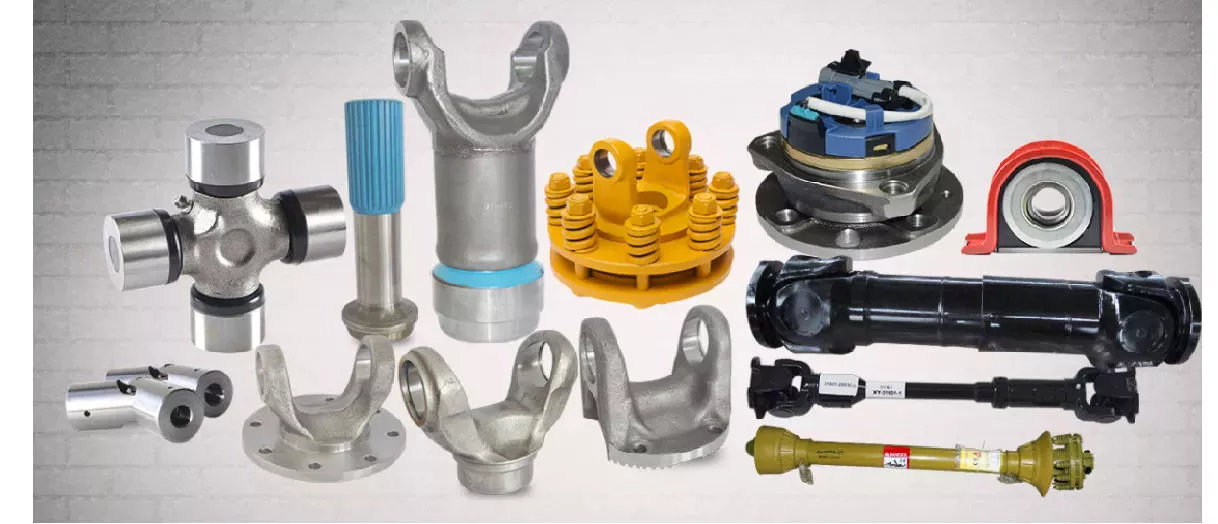
albero di trasmissione
Con l'aumento costante della domanda di veicoli, cresce anche la pressione sui sistemi di trasmissione. Standard più elevati per le emissioni di CO2 e normative sulle emissioni più severe aumentano lo stress sul sistema di trasmissione, pur migliorando il comfort e riducendo il raggio di sterzata. Questi e altri effetti negativi possono sottoporre i componenti a stress e usura significativi, che possono portare alla rottura dell'albero di trasmissione e aumentare i rischi per la sicurezza del veicolo. Pertanto, l'albero di trasmissione deve essere ispezionato e sostituito regolarmente.
A seconda del modello, potrebbe essere necessario sostituire un solo albero di trasmissione. Tuttavia, il costo per la sostituzione di entrambi gli alberi di trasmissione varia da $650 a $1850. Inoltre, potrebbero essere aggiunti costi di manodopera che vanno da $140 a $250. Il prezzo della manodopera dipenderà dal modello dell'auto e dal tipo di trasmissione. In generale, comunque, il costo per la sostituzione di un albero di trasmissione varia da $470 a $1850.
A livello regionale, il mercato degli alberi di trasmissione per autoveicoli può essere suddiviso in 4 principali aree geografiche: Nord America, Europa, Asia Pacifico e Resto del Mondo. Si prevede che il Nord America dominerà il mercato, mentre Europa e Asia Pacifico registreranno la crescita più rapida. Inoltre, si prevede che il mercato crescerà al ritmo più elevato in futuro, trainato dalla crescita economica nella regione Asia-Pacifico. Infine, la maggior parte dei veicoli venduti a livello globale viene prodotta in queste regioni.
La funzione più importante dell'albero di trasmissione è quella di trasferire la potenza del motore in lavoro utile. Gli alberi di trasmissione sono anche noti come alberi cardanici o alberi di trasmissione. In un veicolo, l'albero di trasmissione trasferisce la coppia dal motore, dalla trasmissione e dal differenziale alle ruote anteriori o posteriori, o a entrambe. Data la complessità degli assemblaggi degli alberi di trasmissione, questi sono fondamentali per la sicurezza del veicolo. Oltre a trasmettere la coppia dal motore, devono anche compensare flessioni, variazioni angolari e variazioni di lunghezza.
tipo
Tra i vari tipi di alberi di trasmissione si annoverano alberi elicoidali, alberi a ingranaggi, alberi a vite senza fine, alberi epicicloidali e alberi sincroni. Perni radiali sporgenti sulla testa garantiscono un collegamento rotazionale sicuro. Almeno un cuscinetto presenta una scanalatura che si estende lungo la sua circonferenza e permette al perno di attraversarlo. L'albero può inoltre presentare due flange a ciascuna estremità. A seconda dell'applicazione, l'albero può essere installato nella posizione più comoda per il suo funzionamento.
Gli alberi di trasmissione sono generalmente realizzati in acciaio di alta qualità con elevata resistenza specifica e modulo elastico. Tuttavia, possono essere realizzati anche con materiali compositi avanzati come fibra di carbonio, Kevlar e fibra di vetro. Un altro tipo di albero di trasmissione è realizzato in poliammide termoplastica, un materiale rigido con un elevato rapporto resistenza-peso. Sia gli alberi di trasmissione che gli alberi a vite sono utilizzati per azionare automobili, navi e motociclette.
Le forcelle scorrevoli e tubolari sono componenti comuni degli alberi di trasmissione. Per costruzione, i loro angoli devono essere uguali o intersecarsi per garantire il corretto angolo di lavoro. Se gli angoli di lavoro non sono uguali, l'albero vibra due volte per ogni giro, causando vibrazioni torsionali. Il modo migliore per evitarlo è assicurarsi che le due forcelle siano correttamente allineate. Fondamentalmente, questi componenti devono avere lo stesso angolo di lavoro per garantire un flusso di potenza regolare.
Il tipo di albero motore varia a seconda del tipo di motore. Alcuni sono dotati di ingranaggi, altri no. In alcuni casi, l'albero motore è fisso e il motore può ruotare e sterzare. In alternativa, è possibile utilizzare un albero flessibile per controllare la velocità e la direzione di rotazione. In alcune applicazioni in cui la trasmissione lineare di potenza non è possibile, gli alberi flessibili rappresentano una soluzione utile. Ad esempio, gli alberi flessibili possono essere utilizzati nei dispositivi portatili.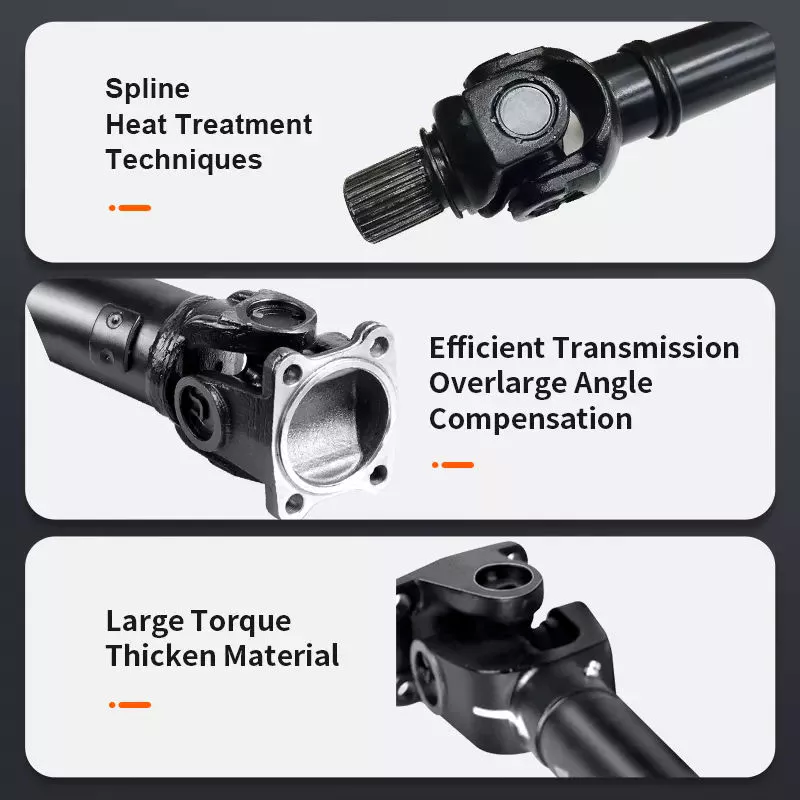
mettere su
La costruzione dell'albero di trasmissione presenta numerosi vantaggi rispetto a un albero in metallo nudo. Un albero flessibile in più direzioni è più facile da manutenere rispetto a un albero rigido in altre direzioni. Il corpo dell'albero e la flangia di accoppiamento possono essere realizzati con materiali diversi, e la flangia può essere realizzata con un materiale diverso dal corpo principale dell'albero. Ad esempio, la flangia di accoppiamento può essere realizzata in acciaio. Il corpo principale dell'albero è preferibilmente svasato ad almeno un'estremità, e almeno una flangia di accoppiamento comprende una prima sporgenza generalmente tronco-conica che si estende nell'estremità svasata del corpo principale dell'albero.
La rigidità tipica degli alberi in fibra è ottenuta grazie all'orientamento parallelo delle fibre lungo la loro lunghezza. Tuttavia, la rigidità flessionale di questo tipo di albero risulta ridotta a causa del cambiamento di orientamento delle fibre. Poiché le fibre continuano a percorrere la stessa direzione da un'estremità all'altra, il rinforzo che aumenta la rigidità torsionale dell'albero non viene influenzato. Al contrario, un albero in fibra è anche flessibile perché presenta nervature inclinate di circa 90 gradi rispetto all'asse centrale dell'albero.
Oltre alle nervature elicoidali, l'albero motore 100 può contenere anche elementi di rinforzo. Questi elementi di rinforzo mantengono l'integrità strutturale dell'albero. Tali elementi di rinforzo sono chiamati nervature elicoidali e presentano nervature sia sulla superficie esterna che su quella interna. Questo serve a prevenire la rottura dell'albero. Questi elementi possono anche essere sagomati in modo da essere sufficientemente flessibili da assorbire parte delle forze generate dalla trasmissione. Gli alberi possono essere progettati utilizzando questi metodi e realizzati in alberi motore a vite senza fine.
vibrazione
La causa più comune di vibrazioni dell'albero di trasmissione è un'installazione non corretta. Esistono 5 tipi comuni di vibrazioni dell'albero di trasmissione, ognuno correlato ai parametri di installazione. Per evitare che ciò accada, è importante comprendere le cause di queste vibrazioni e come risolverle. I tipi di vibrazione più comuni sono elencati di seguito. Questo articolo descrive alcune soluzioni comuni per le vibrazioni dell'albero di trasmissione. Potrebbe anche essere utile consultare un tecnico specializzato in vibrazioni per il controllo delle vibrazioni dell'albero di trasmissione.
Se non sei sicuro che il problema sia l'albero di trasmissione o il motore, prova ad accendere l'autoradio. Anche i tappetini più spessi possono mascherare le vibrazioni. In ogni caso, dovresti contattare un esperto il prima possibile. Se le vibrazioni persistono dopo le riparazioni, l'albero di trasmissione deve essere sostituito. Se l'albero di trasmissione è ancora in garanzia, puoi ripararlo da solo.
I giunti omocinetici sono la causa più comune di vibrazioni di terzo ordine dell'albero di trasmissione. Se si bloccano o si rompono, devono essere sostituiti. In alternativa, i giunti omocinetici potrebbero essere semplicemente disallineati. Se sono allentati, è possibile controllare il connettore del giunto omocinetico. Un'altra causa comune di vibrazioni dell'albero di trasmissione è un montaggio errato. Un allineamento errato delle forcelle su entrambe le estremità dell'albero può causarne le vibrazioni.
Un'altezza di assetto errata può causare vibrazioni all'albero di trasmissione. Un'altezza di assetto corretta è necessaria per prevenire oscillazioni dell'albero di trasmissione. Che il vostro veicolo sia nuovo o vecchio, potete eseguire alcune semplici riparazioni per ridurre al minimo i problemi. Una di queste soluzioni prevede il bilanciamento dell'albero di trasmissione. Innanzitutto, utilizzate delle fascette stringitubo per fissare i pesi all'albero. Successivamente, attaccate un peso di circa 30 grammi e fatelo ruotare. In questo modo, si riduce al minimo la frequenza delle vibrazioni.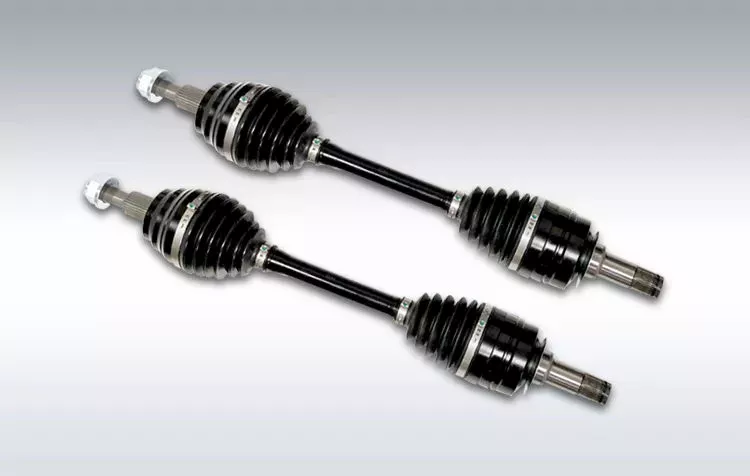
costo
Si prevede che il mercato globale degli alberi di trasmissione supererà (xxx) milioni di dollari entro il 2028, con un tasso di crescita annuo composto (CAGR) del XX%. La sua crescita vertiginosa può essere attribuita a diversi fattori, tra cui la crescente urbanizzazione e gli investimenti in ricerca e sviluppo da parte dei principali operatori del mercato. Il rapporto include anche un'analisi approfondita delle principali tendenze di mercato e del loro impatto sul settore. Inoltre, il rapporto fornisce un'analisi regionale completa del mercato degli alberi di trasmissione.
Il costo della sostituzione dell'albero di trasmissione dipende dal tipo di riparazione necessaria e dalla causa del guasto. I costi tipici di riparazione variano da $300 a $750. Le auto a trazione posteriore di solito costano di più, mentre i veicoli a trazione anteriore costano meno rispetto a quelli a trazione integrale. È anche possibile tentare di riparare l'albero di trasmissione autonomamente. Tuttavia, è importante informarsi bene e assicurarsi di avere gli strumenti e le attrezzature necessarie per eseguire il lavoro correttamente.
Il report analizza anche il panorama competitivo del mercato degli alberi di trasmissione. Include rappresentazioni grafiche, statistiche dettagliate, politiche di gestione e componenti di governance. Inoltre, comprende un'analisi dettagliata dei costi. Il report presenta anche una panoramica sull'impatto del COVID-19 sul mercato e sulle tendenze future. Fornisce inoltre informazioni preziose per aiutarti a decidere come competere nel tuo settore. Acquistando un report come questo, conferirai maggiore credibilità al tuo lavoro.
Un albero di trasmissione di qualità può migliorare il tuo gioco garantendo distanza dal tee e una maggiore reattività. Il nuovo materiale utilizzato nella costruzione degli alberi è più leggero, resistente e reattivo che mai, quindi sta diventando un componente chiave del driver. Esistono diverse opzioni adatte a qualsiasi budget. Il fattore principale da considerare quando si acquista un albero è la sua qualità. Tuttavia, è importante ricordare che la qualità ha un costo e dovresti sempre scegliere un albero in base a ciò che il tuo budget ti consente.