
Product Parameters
The steering system in Kubota tractors is engineered for precision and durability, with parameters tailored to various models to ensure reliable performance in agricultural operations. Drawing from official Kubota specifications for the Standard L Series, such as the L3901 model, the following table presents key parameters related to the steering system. These details are sourced directly from Kubota’s technical documentation, including aspects like steering type, hydraulic flow, and torque values, which are critical for diagnosing and repairing common faults. For example, the integral power steering type integrates seamlessly with the hydraulic system to provide assisted turning, reducing operator effort in demanding field conditions.
| Parameter | Specification |
|---|---|
| Steering Type | Integral type power steering |
| Power Steering Pump Output | 4.7 gal/min (17.9 L/min) |
| Total Hydraulic Flow | 6.8 gal/min (25.7 L/min) |
| Steering Cylinder Torque | Up to 145 ft-lbs (196 N·m) for tie-rod nuts |
| Toe-In Adjustment Range | 2 to 8 mm (1/16 to 5/16 in.) |
| Compatibility Models | Kubota L3901, L3301, L2501, and similar L Series |
| Hydraulic Pressure | Approximately 2,200 PSI (15.2 MPa) |
These parameters underscore the system’s design for efficiency, with hydraulic flow rates ensuring responsive steering even under heavy loads. In Thailand’s agricultural landscape, where tractors face humid and dusty conditions, adhering to these specs during maintenance prevents faults like fluid leaks or pressure drops. The toe-in range, for instance, maintains wheel alignment to avoid uneven tire wear, a common issue in paddy fields. Operators should reference these values when troubleshooting, as deviations can indicate component wear. This table aids in selecting compatible replacement parts, promoting longevity and reducing downtime for farmers reliant on Kubota machinery.
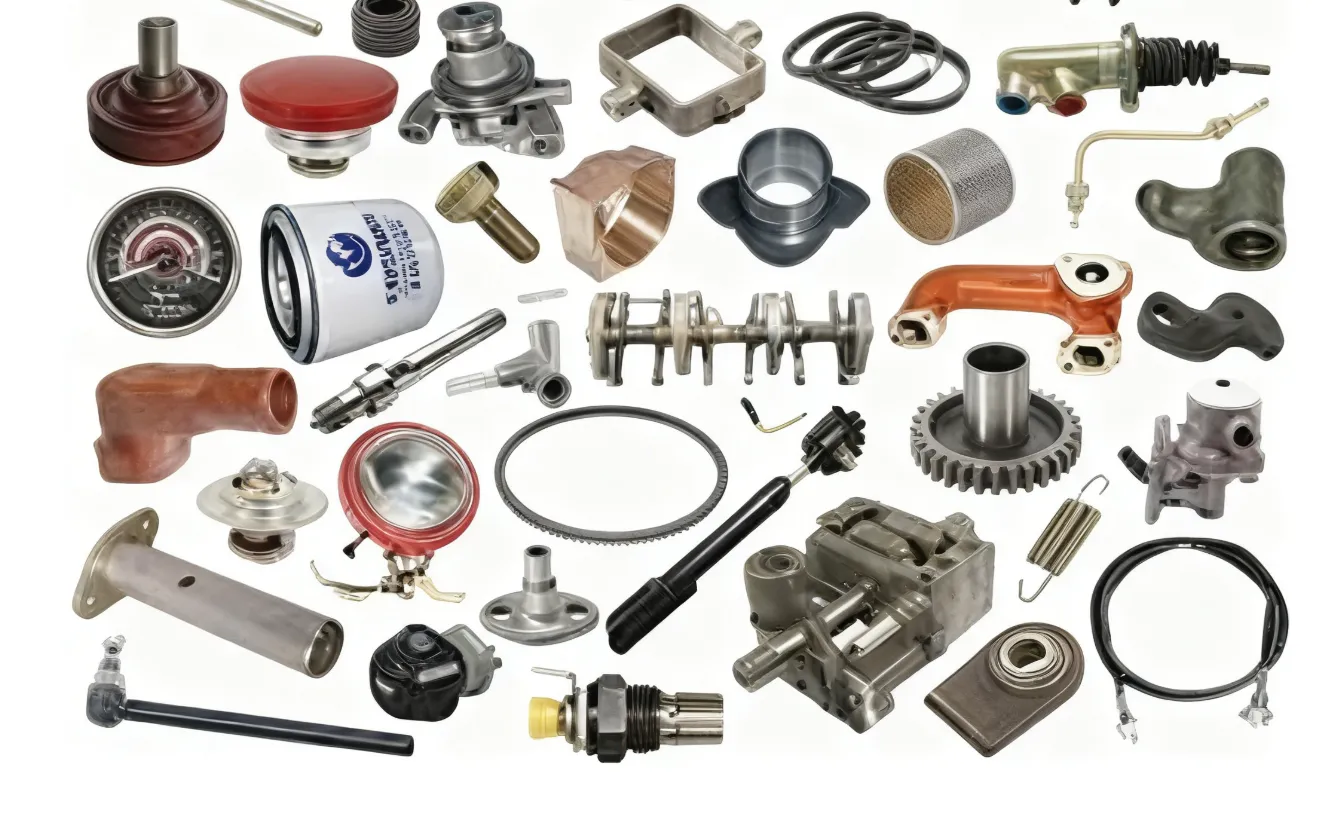
Introduction to the Steering System
The tractor steering system in Kubota models is a sophisticated assembly that facilitates directional control, integrating mechanical linkages with hydraulic assistance for enhanced maneuverability. Comprising components like the steering wheel, gearbox, tie rods, and hydraulic cylinders, it converts operator inputs into wheel movements, ensuring precise navigation in agricultural tasks. Its primary role is to provide stable, effortless turning, crucial for operations in confined spaces or uneven terrain common in Thai farms. By reducing steering effort through power assistance, it minimizes operator fatigue during extended use, while maintaining alignment to optimize traction and fuel efficiency. Faults in this system can arise from wear, contamination, or misalignment, leading to safety risks and operational inefficiencies. Understanding its function helps in early detection of issues, such as hydraulic leaks or loose connections, which are prevalent in tropical climates due to moisture and dust exposure. Overall, the steering system is integral to tractor performance, supporting productivity in diverse farming applications like rice cultivation or orchard management.
Common Fault: Loose or Wandering Steering
Loose or wandering steering is a prevalent fault in Kubota tractor steering systems, often resulting from worn tie rod ends or improper toe-in alignment. This issue manifests as the tractor veering unpredictably, compromising control during field work. In Thailand’s variable terrains, such as flooded paddies, this can lead to accidents or crop damage. Causes include excessive play in ball joints due to dust ingress or vibration-induced loosening of nuts. To resolve, inspect tie rods for wear, measure toe-in (2-8 mm), and tighten components to specified torques like 167-196 N·m. Replacement of damaged ends restores precision, with regular greasing every 100 hours preventing recurrence. This fault also affects tire lifespan, increasing costs for farmers. Proactive checks, especially after heavy use, ensure safety and efficiency.
Common Fault: Hard or Stiff Steering
Hard or stiff steering occurs when the system requires excessive effort to turn, often due to low hydraulic fluid levels or pump failures in Kubota models. This fault reduces operator comfort and can strain components, leading to further damage. In humid Thai environments, fluid contamination from water or dirt clogs valves, exacerbating the problem. Diagnosis involves checking fluid levels and pressure (around 2,200 PSI), bleeding air from lines, or replacing seals. Solutions include topping up with Kubota-approved hydraulic oil and inspecting hoses for leaks. Preventive maintenance, such as fluid changes every 400 hours, mitigates this issue, ensuring smooth operation in demanding agricultural tasks like plowing.
Common Fault: Hydraulic Fluid Leaks
Hydraulic fluid leaks are a common steering system fault, stemming from damaged seals, hoses, or cylinders in Kubota tractors. Leaks reduce pressure, causing erratic steering and potential system failure. In Thailand’s tropical climate, heat and moisture accelerate seal degradation, leading to cracks. Symptoms include fluid puddles under the tractor or diminished steering response. To address, locate leaks via visual inspection, replace faulty seals, and torque fittings to specs like 61-71 N·m. Using high-quality, compatible fluids prevents contamination. Regular system flushes every two years enhance longevity, minimizing downtime for farmers during peak seasons.
Common Fault: Noisy Steering Operation
Noisy steering, such as clunking or whining, indicates faults like worn bearings or air in hydraulic lines in Kubota systems. This can result from inadequate lubrication or component fatigue under heavy loads. In dusty Thai fields, debris ingress amplifies noise and wear. Troubleshooting involves greasing fittings, bleeding air, or replacing bearings. Torque checks on mounting bolts (124-147 N·m) ensure stability. Preventive measures include daily inspections and using filters to keep fluid clean. Addressing noise early prevents escalation to major repairs, maintaining operational reliability.
Common Fault: Uneven Tire Wear
Uneven tire wear signals misalignment or faulty tie rods in Kubota steering systems, often from impacts or improper adjustments. This fault increases replacement costs and affects traction in wet Thai soils. Measure toe-in regularly; deviations from 2-8 mm require realignment. Solutions involve adjusting rods and torquing wheel bolts (137-185 N·m). Rotating tires every 200 hours balances wear. In hilly plantations, this prevents handling issues, ensuring safe and efficient farming.
Preventive Maintenance Strategies
Preventive maintenance for Kubota steering systems involves scheduled inspections to avert common faults. Check hydraulic levels weekly, lubricate joints every 50 hours, and align wheels seasonally. In Thailand’s humid conditions, use corrosion-resistant greases and store tractors covered. Monitor pump output (4.7 gal/min) for consistency. Training operators on proper usage reduces stress on components. These strategies extend system life, cut repair costs, and boost productivity in agriculture.
Key Components of the Steering Gearbox
- Gears: Transmit rotational force from the steering wheel to the tie rods; ensure precise ratio for responsive control.
- Housing: Encases internal parts; provides structural support and protects from contaminants.
- Shafts: Connect input to output; allow smooth torque transfer, often linked to PTO shafts for integrated power.
- Bearings: Reduce friction; support rotating elements for longevity under load.
- Seals: Prevent fluid leaks; maintain hydraulic integrity in the system.
These components are vital for the steering gearbox’s function. For related parts, visit our gearbox page. At PRR TRACTOR PART LIMITED PARTNERSHIP, our steering system components are of high quality, fully compatible with original equipment, and offer excellent value for money, delivering reliable solutions for Thai farmers.
Local Product Policies in Thailand
Thailand’s policies on agricultural machinery parts, including steering systems, focus on quality assurance and import regulations to support the farming sector. The Thai Industrial Standards Institute (TISI) requires certification for hydraulic components under TIS standards for safety. Importers must obtain permits from the Department of Industrial Works, with customs duties at 5-20%, potentially waived for BOI-promoted agricultural investments. Environmental policies mandate low-emission compliant parts, aligning with sustainable agriculture goals. Local sourcing is encouraged, but specialized imports like Kubota-compatible items are allowed with proper documentation. Non-compliance risks fines or confiscation. Farmers can access subsidies for certified repairs via the Ministry of Agriculture. For details on our compliant products, see about us or reach us at [email protected], Address: 304/1170 Soi Phahonyothin 49/1, Intersection 6, Talat Bang Khen Subdistrict, Lak Si District, through contact us.
FAQ
What causes loose steering in tractors?
Worn tie rods or ball joints; inspect and replace, adjust toe-in to 2-8 mm.
How to fix hard steering?
Check hydraulic fluid levels; refill, bleed air, or replace pump if faulty.
What are signs of hydraulic leaks?
Fluid spots or reduced pressure; inspect hoses and seals, replace as needed.
Why does steering make noise?
Air in lines or worn bearings; grease fittings, bleed system.
How to prevent uneven tire wear?
Maintain proper alignment; check toe-in regularly, rotate tires.
What if steering wanders?
Misaligned wheels; adjust tie rods, torque nuts to specs.
How often inspect steering system?
Every 200 hours; focus on joints and fluid.
Can low fluid cause faults?
Yes, leads to stiffness; monitor and refill promptly.
What tools for fault diagnosis?
Pressure gauge, torque wrench; use for accurate checks.
Are aftermarket parts reliable?
If compatible and quality; choose certified for Kubota fit.