
Produktparametre
The cooling system in Kubota tractors is designed to maintain optimal engine temperatures, preventing overheating that can lead to component damage. Based on authentic specifications from Kubota models such as the L Series (e.g., L3901) and M Series (e.g., M7040), the following table outlines key parameters for the cooling system, including temperature ranges and pressure settings. These details are derived directly from Kubota operator manuals and service guidelines, ensuring accuracy for diagnosis and maintenance. For instance, the normal operating temperature range allows efficient engine performance, while exceeding the caution zone signals potential issues requiring immediate attention. In Thailand’s hot and humid climate, adhering to these parameters is crucial to avoid frequent breakdowns during intensive agricultural operations like rice harvesting or soil tilling.
| Parameter | Specifikation |
|---|---|
| Normal Operating Temperature | 180-195°F (82-90°C) |
| Caution Temperature Zone | 210-225°F (99-107°C) – Reduce load |
| Danger Temperature Zone | 230°F+ (110°C+) – Shutdown immediately |
| Critical Temperature Zone | 250°F+ (121°C+) – Risk of engine damage |
| Thermostat Opening Temperature | 180°F (82°C) |
| Radiator Cap Pressure | 13 PSI (0.9 bar) |
| Coolant Capacity (Example: L3901) | 4.7 quarts (4.5 L) |
| Compatibility Models | Kubota L, M, B Series with liquid-cooled engines |
These specifications help operators monitor and diagnose overheating issues effectively. For example, if the temperature gauge exceeds 210°F, it indicates a caution zone where load reduction is advised to prevent escalation. In tropical settings like Thailand, where ambient temperatures often surpass 95°F, these parameters guide maintenance schedules to account for accelerated coolant evaporation or radiator clogging from dust. Understanding the thermostat’s role in regulating flow at 180°F ensures timely interventions, avoiding costly repairs. This table serves as a practical reference for procurement of compatible coolant or parts, emphasizing the use of Kubota-approved fluids to maintain system integrity and prevent corrosion in humid environments.
Key Point: Normal Temperature
180-195°F for optimal engine performance.
Key Point: Danger Zone
230°F+ requires immediate shutdown.
Introduction to the Cooling System
The cooling system in Kubota tractors is a liquid-cooled assembly that regulates engine temperature by circulating coolant through the engine block, radiator, and thermostat. Its primary function is to dissipate excess heat generated during combustion, maintaining optimal operating conditions to prevent overheating and ensure efficient performance. In models like the L and M series, it includes components such as the radiator for heat exchange, water pump for circulation, and thermostat for temperature control. This system is vital for agricultural operations in Thailand, where high ambient temperatures and heavy loads in fields can strain the engine. By absorbing and radiating heat, it protects critical parts from warping or seizure, extending engine life and reducing fuel consumption. Without proper functioning, high water temperature can lead to downtime, emphasizing its role in reliable tractor operation for tasks like plowing or hauling.
“Early detection of cooling issues can prevent costly engine repairs in hot climates.”
Common Causes of High Water Temperature
High water temperature in Kubota tractors often stems from blocked radiators, low coolant levels, or faulty thermostats. Dust and debris in Thai farmlands clog radiator fins, reducing airflow and heat dissipation. Insufficient coolant due to leaks or evaporation in humid conditions fails to absorb heat effectively. A stuck thermostat prevents proper circulation, trapping hot fluid in the engine. Overworked engines from heavy loads or poor maintenance exacerbate this. Clogged exhaust systems or contaminated transmission fluid can indirectly contribute by increasing overall heat. Identifying these causes requires systematic checks, starting with visual inspections, to restore normal temperatures and avoid damage.
Key Point: Blocked Radiator
Common in dusty fields; clean regularly.
Key Point: Low Coolant
Check for leaks; refill with approved fluid.
Diagnostic Steps for Overheating
Initial Inspection
Monitor gauge; shutdown if over 230°F.
Coolant Level Check
Inspect reservoir; look for leaks.
Radiator and Fan Test
Clean fins; verify fan operation.
Preventive Maintenance Strategies
Regular coolant flushes every 2 years, radiator cleaning seasonally, and thermostat tests prevent overheating. In Thailand, use anti-corrosion additives. Monitor belts and hoses for wear. These steps extend system life, reduce downtime in farming.
Impact of Overheating on Tractor Performance
Overheating causes engine knock, reduced power, and potential seizures, affecting productivity in Thai agriculture. It accelerates wear on gaskets and pistons, leading to expensive repairs. Early intervention mitigates these impacts.
“Overheating can halve engine lifespan if ignored.”
Repair Solutions for Cooling Issues
Replace faulty thermostats, flush systems, or repair leaks. Use professional services for complex fixes to ensure compatibility.
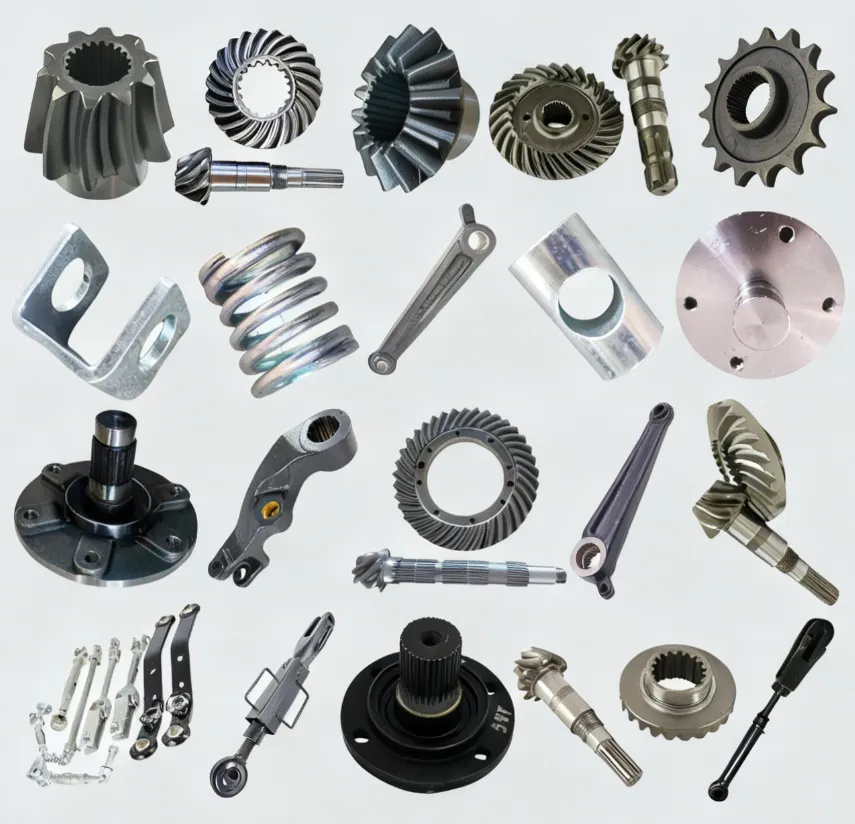
Key Components of the Gearbox
- Gears: Transmit power; enable speed variations.
- Shafts: Support gears; transfer torque, including PTO shaft for attachments.
- Bearings: Reduce friction; ensure smooth rotation.
- Housing: Protects internals; contains lubricant.
- Seals: Prevent leaks; maintain oil levels.
For gearbox parts, visit our gearbox page. At PRR TRACTOR PART LIMITED PARTNERSHIP, our parts are high quality, compatible with originals, and cost-effective.
Local Product Policies in Thailand
Thailand requires TISI certification for cooling parts, with duties 5-20%, exemptions for agriculture. Environmental policies mandate eco-friendly coolants. For details, see om os or contact us at [email protected], Address: 304/1170 Soi Phahonyothin 49/1, Intersection 6, Talat Bang Khen Subdistrict, Lak Si District.
Ofte stillede spørgsmål
What is normal temperature?
180-195°F; monitor gauge.
Causes of blocked radiator?
Dust, debris; clean fins.
How to check coolant?
Inspect level, color; refill if low.
Faulty thermostat signs?
Slow warm-up or constant high temp.
Overworked engine fix?
Reduce load; check air intake.
Clogged exhaust impact?
Increases backpressure; clean system.
Maintenance interval?
Flush coolant every 2 years.
Tools for diagnosis?
Thermometer, pressure tester.
When to seek professional help?
Persistent issues after basic checks.
Coolant type for Kubota?
Ethylene glycol-based; follow manual.